

Equipment compatibility affects construction productivity by deciding how well machines, attachments, and crews work together on site. When a coupler, track, or hydraulic line doesn't fit, the whole sequence of work slows down. Most delays start in the yard, when the rented breaker won't connect to the excavator that showed up. At Bites Off Broadway, we see construction productivity losses across New York job sites every season, and the causes follow a consistent pattern. This guide covers what mismatched attachments cost in labor hours, which fleet choices keep crews moving, and how machine data connects to your software. You'll also see which checks to run before signing a purchase order. Let's get into details. Why Does Equipment Compatibility Decide Construction Productivity? Equipment compatibility determines construction
Equipment
How Construction Businesses Choose Equipment Based on Project Needs
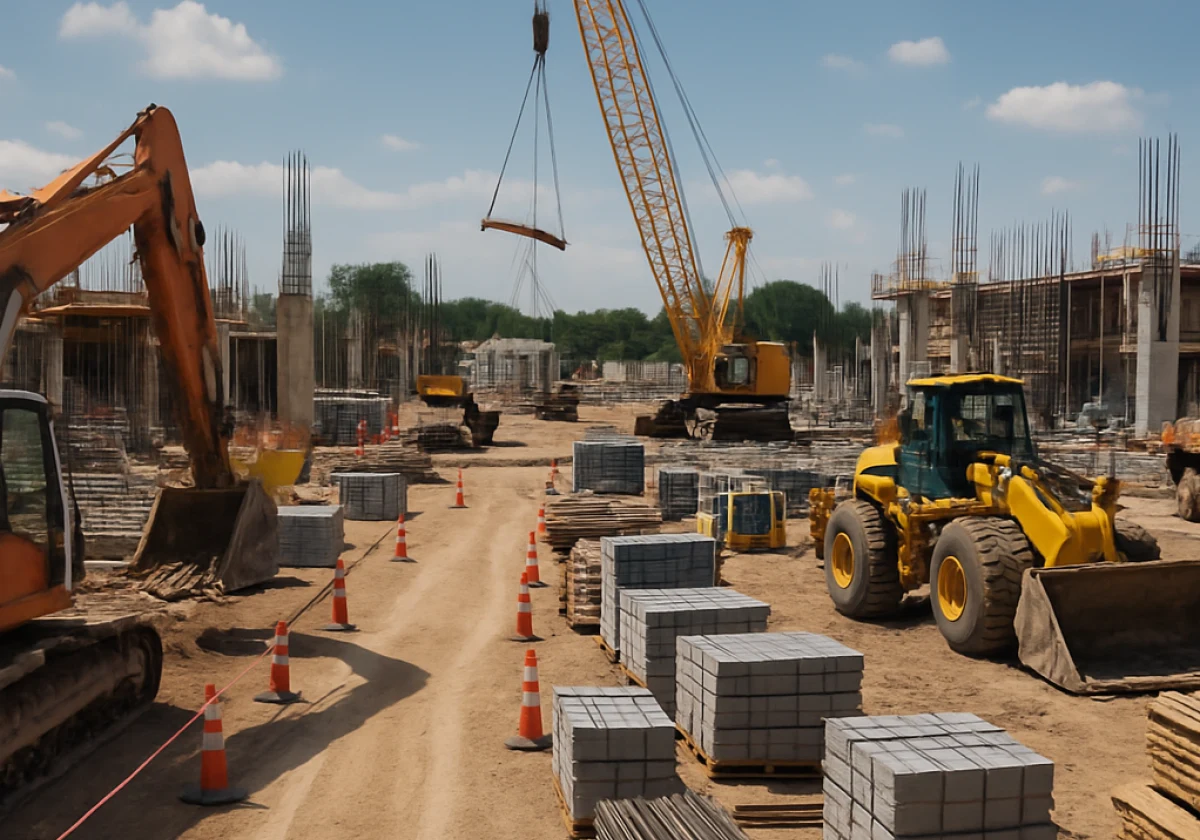
Construction businesses choose equipment by matching machine type, size, and capacity to the job in front of them. To make the right choice, they need to consider project scope, ground conditions, and budget. Otherwise, they risk paying for power they never put to work. In fact, plenty of contractors lose money right here. A rented machine parked at the edge of a construction site still bills by the day. We see the same pattern on small building pads and large road construction projects. To avoid these unnecessary costs, this guide explains how to assess your site and match machines to tasks. It also covers ownership costs to consider before you sign anything. Let's get into it. Why Project Needs and Construction Planning Drive Construction
Rubber Tracks on Concrete, Mud or Rock: How Ground Conditions Change Wear
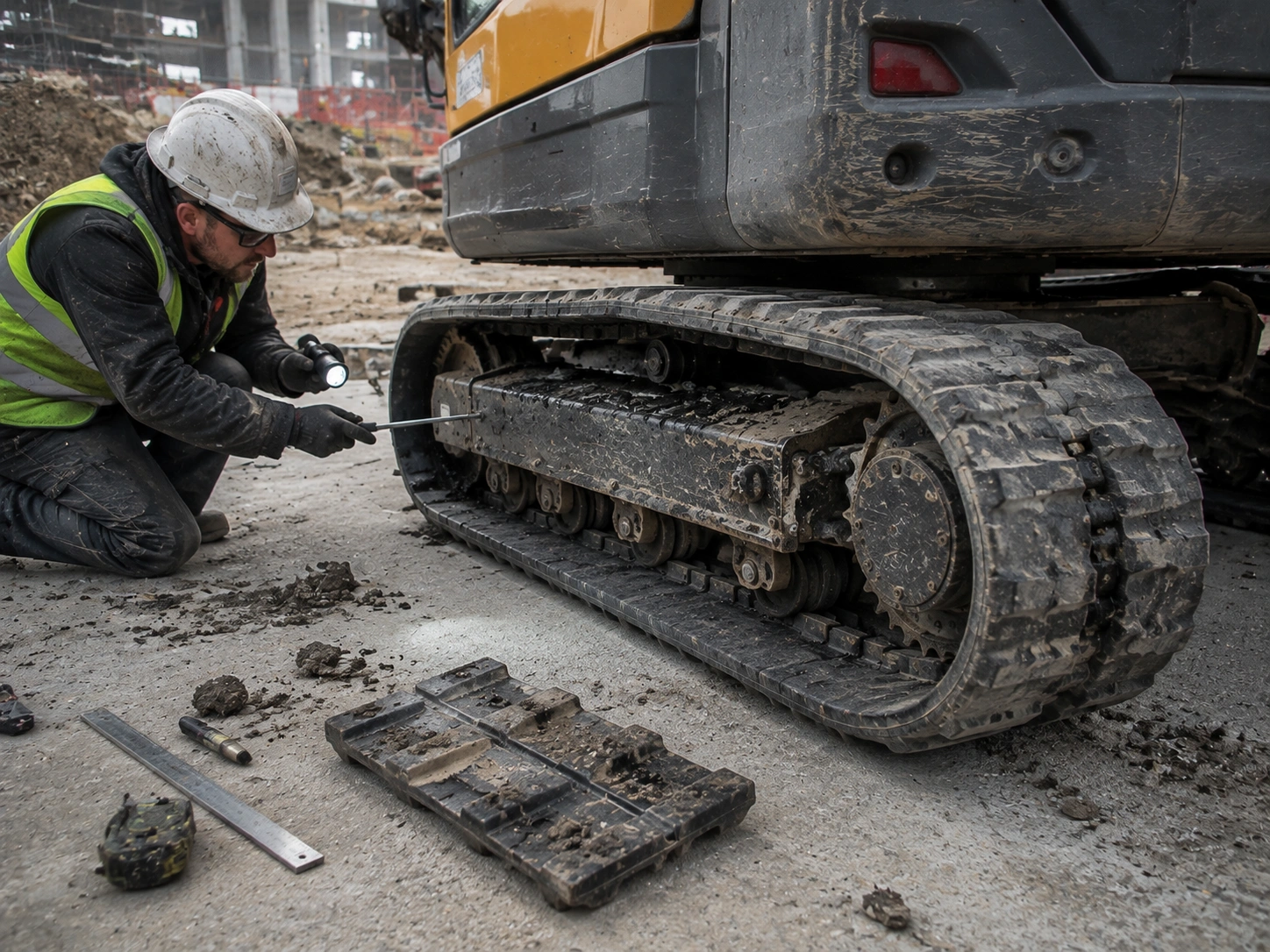
The ground under your machine decides how fast your rubber tracks wear out. Concrete, mud, and rock each affect rubber tracks differently, and repeated exposure can shorten their lifespan on demanding job sites. Many operators don't realise it until repairs or replacements become unavoidable. For contractors running mini excavators across New York, ground conditions change block by block. A morning pour in Port Morris feels nothing like an afternoon dig in a muddy lot in Sunset Park. Each surface puts different stress on your tracks, and that wear builds up over time. This article explains how ground types damage rubber tracks, early wear signs, and choosing and maintaining the right tracks for your terrain. Read on, and you'll have a clearer picture
The Real Cost of Cheap Machinery Parts (and How to Avoid Repeat Repairs)
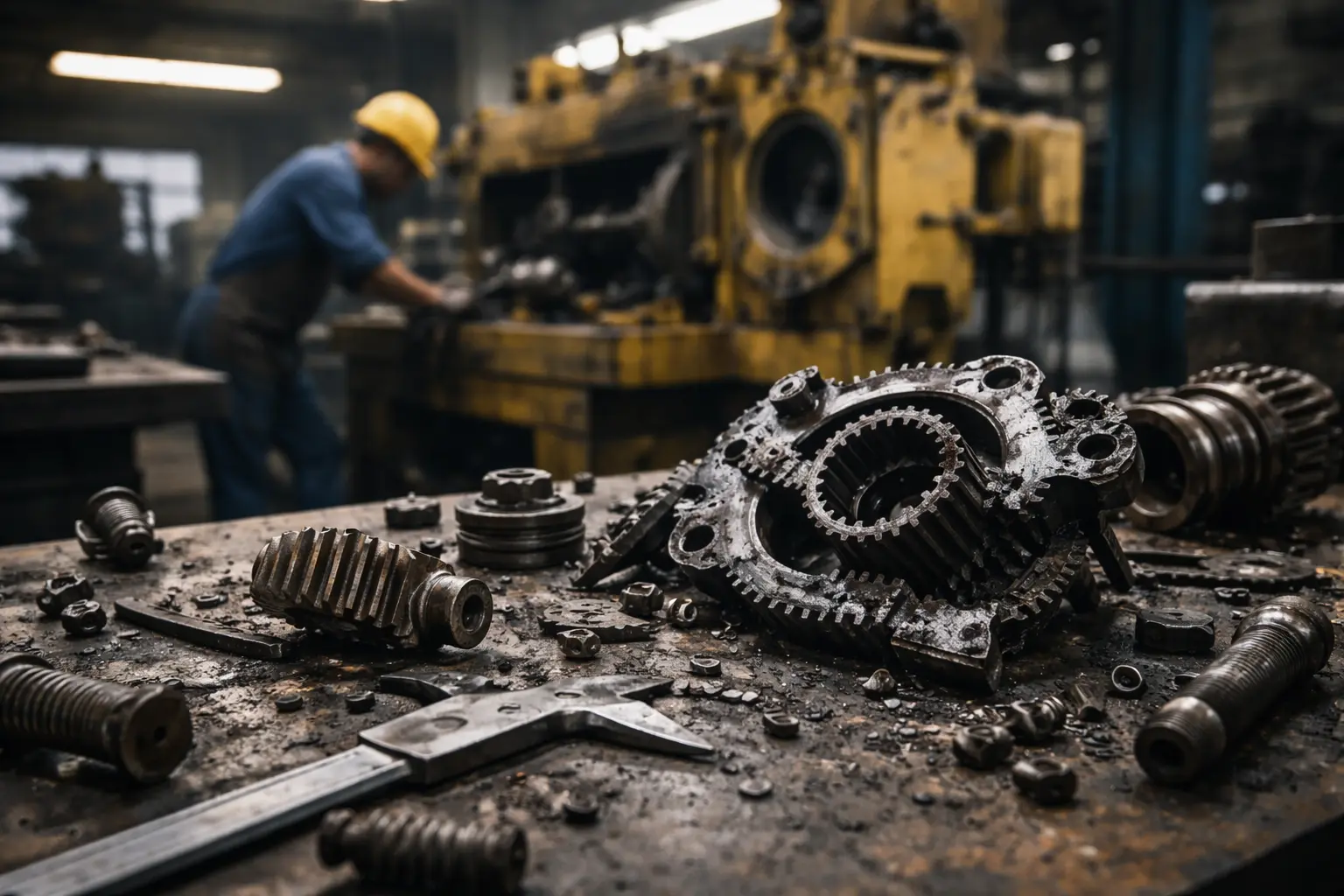
What you pay for cheap machinery parts upfront is rarely what they end up costing you. Once repair bills start landing, labor hours and unplanned downtime pile on quickly because they cannot handle long-term use. Before long, your maintenance budget is in territory you never planned for. Most contractors don't connect those rising costs back to a cheap part until something fails. To be more specific, the job stops. Adding to the chaos, schedules fall apart, and the repair bill lands well past what catching the problem early would have cost. This article breaks down exactly where those costs come from, what drives repeat repairs, and what to check before you buy your next part. Your wallet will thank you later. What "Cheap Machinery
Construction Equipment Maintenance Checklist to Reduce Downtime
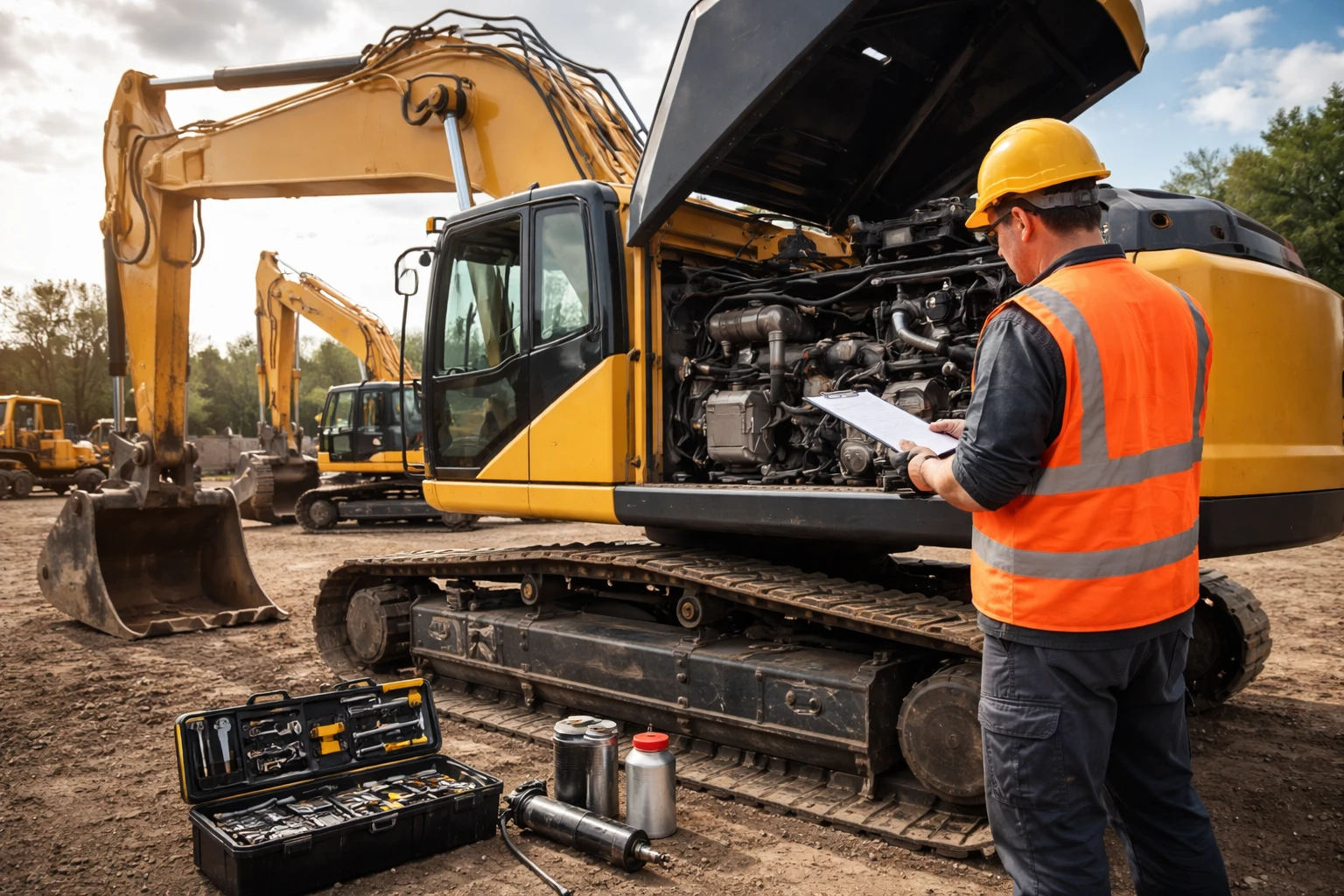
Construction equipment faces brutal conditions on a daily basis. For instance, dust clogs filters, vibration loosens connections, and heat breaks down hydraulic fluid. When problems go unnoticed for weeks, they can suddenly become expensive equipment failures. According to a recent survey, unplanned downtime costs around $25,000 per hour, even jumping past half a million for larger fleets. Fortunately, a heavy equipment maintenance checklist can catch issues while they're still cheap fixes. It guides operators through regular inspections and scheduled services. This article covers daily construction equipment checks that prevent equipment downtime. We’ll also explain hour-based maintenance scheduling and show what should be included in an effective maintenance program. Let’s find out what keeps your machinery working across New York job sites. How a Heavy
Undercarriage Parts Explained: What Wears First and How to Spot It
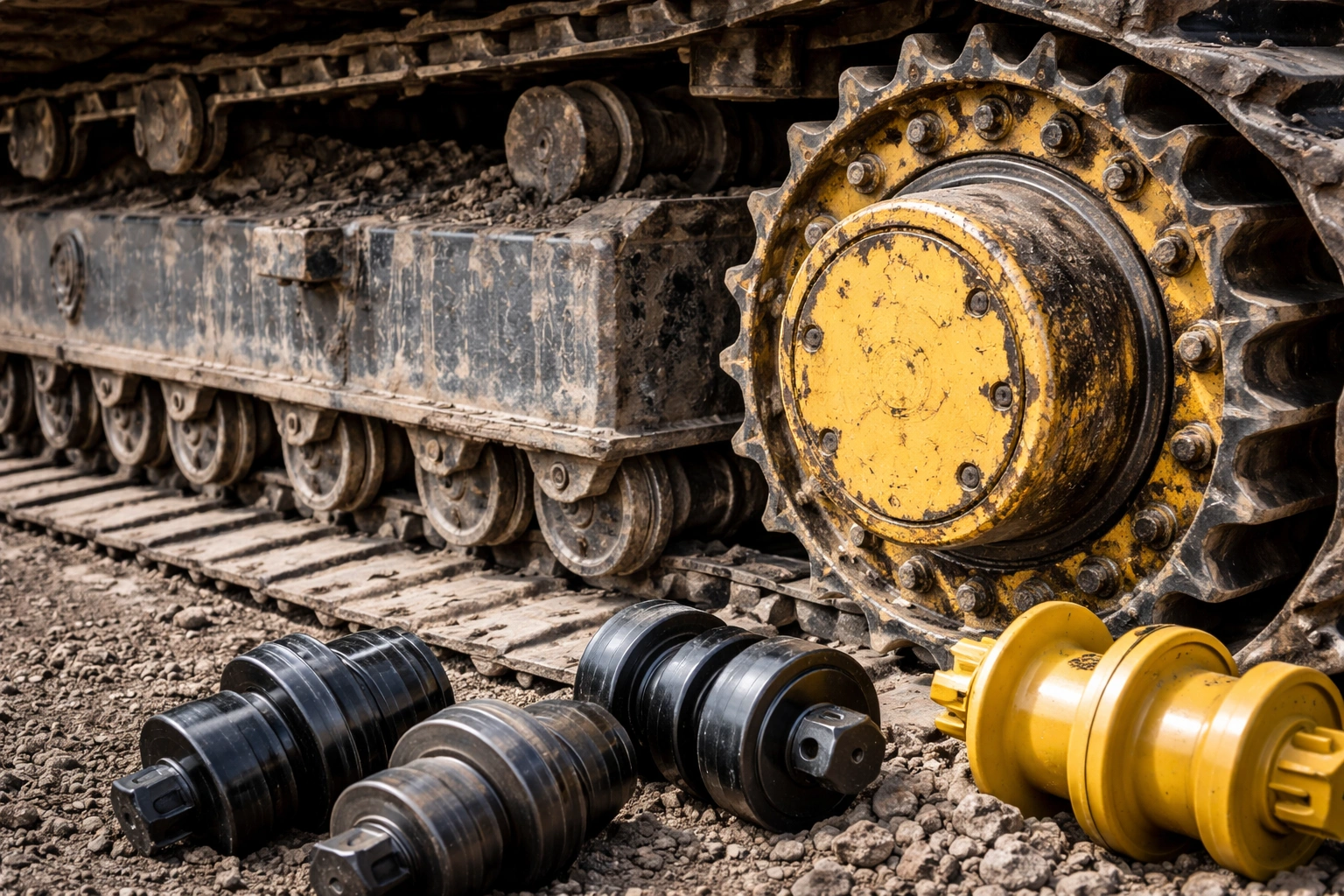
Track rollers wear out first on most excavators, and usually show flat spots within 1,500-2,000 hours under tough conditions. However, proper track tension and daily cleaning separate machines that last 6,000 hours from those that fail at 3,000. In fact, undercarriage components account for more than 50% of an excavator's total maintenance costs over its lifetime. Most operators miss early warning signs like uneven wear patterns and minor oil leaks around track adjusters. As a result, major damage shows up before anyone notices the problem. In this article, we'll cover which undercarriage parts fail first. You’ll also learn about the visual signs that signal replacement, and simple daily habits that prevent costly repairs. Let’s find out the best way to care for your
Why Undercarriage Parts Fail Early and How Contractors Can Prevent It
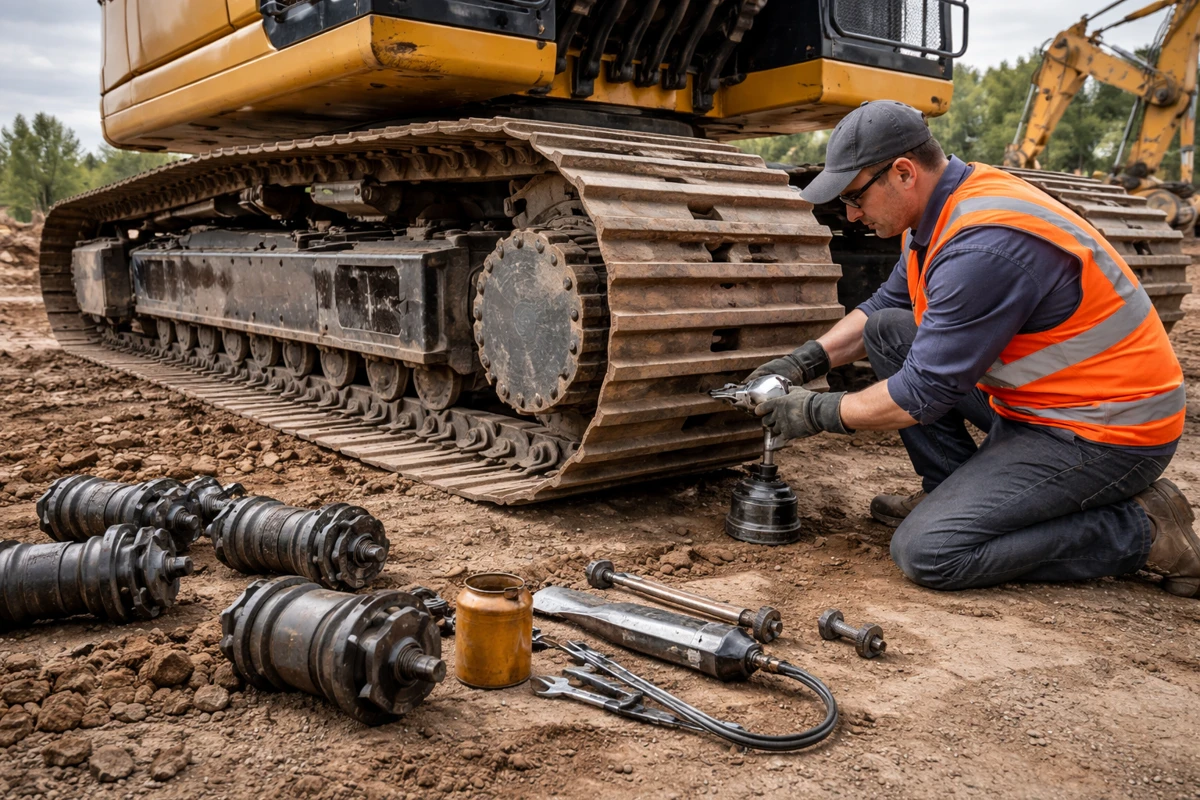
When undercarriage parts fail early, it is often due to everyday work conditions and maintenance habits, and not bad luck. These components are also the fastest-wearing parts of heavy equipment. So, knowing why this happens can help you avoid breakdowns, reduce downtime, and save money on repairs. Problems with the undercarriage account for roughly 50% of all track machine maintenance costs, according to an industry report. That means half your maintenance budget goes to one system alone. In this article, we'll cover the inspection routines that catch $200 problems before they become $15,000 emergencies. You'll find out why undercarriage components fail early, which excavator parts break down first, and the daily maintenance mistakes that speed up wear. Let’s begin with the reason undercarriage
Five Essential Parts Every Excavator Owner Should Always Keep On Hand
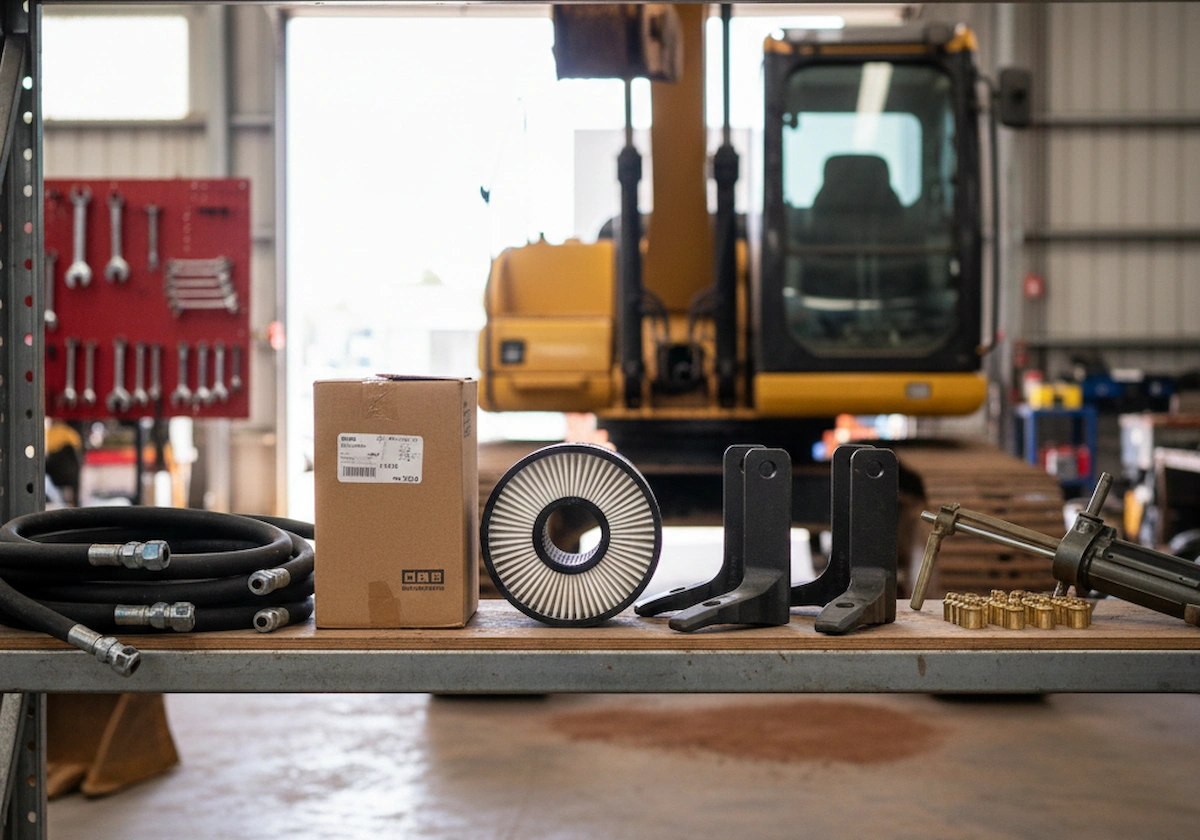
Every excavator relies on a handful of components that determine how well it operates day to day (and whether you're dealing with downtime or smooth sailing). Those parts include the hydraulic pump, final drive, swing motor, control valves, and undercarriage components like track rollers and idlers. In this article, we're going to walk through each part, explain what it does, and help you spot early warning signs before something breaks. If you're running equipment on-site or managing a fleet, partnering with a leading supplier makes sourcing reliable parts far easier. Let's start with the hydraulic pump, which powers nearly every movement your excavator makes. Hydraulic Hoses and Fittings Hydraulic hoses fail more frequently than almost any other excavator component because they're constantly flexing under
How New York Construction Companies Rely on One Supplier More Than Any Other

Every day your excavator sits idle costs you money. For New York construction companies, equipment breakdowns don't wait for convenient timing. When you're juggling multiple vendors for parts, each delay adds up to lost crew hours and missed deadlines. So, why do most companies spread their equipment sourcing across several suppliers? Well, from our point of view, it’s because they think it's less risky. In reality, the opposite happens. More vendors mean more communication gaps, inconsistent quality, and longer wait times when you need parts urgently. This article shows you why New York construction companies are turning to single-supplier partnerships. You'll see how consolidating equipment sourcing saves time and money, prevents costly downtime, and simplifies operations in a city where downtime is
The Real Cost of Buying Cheap Machinery Parts
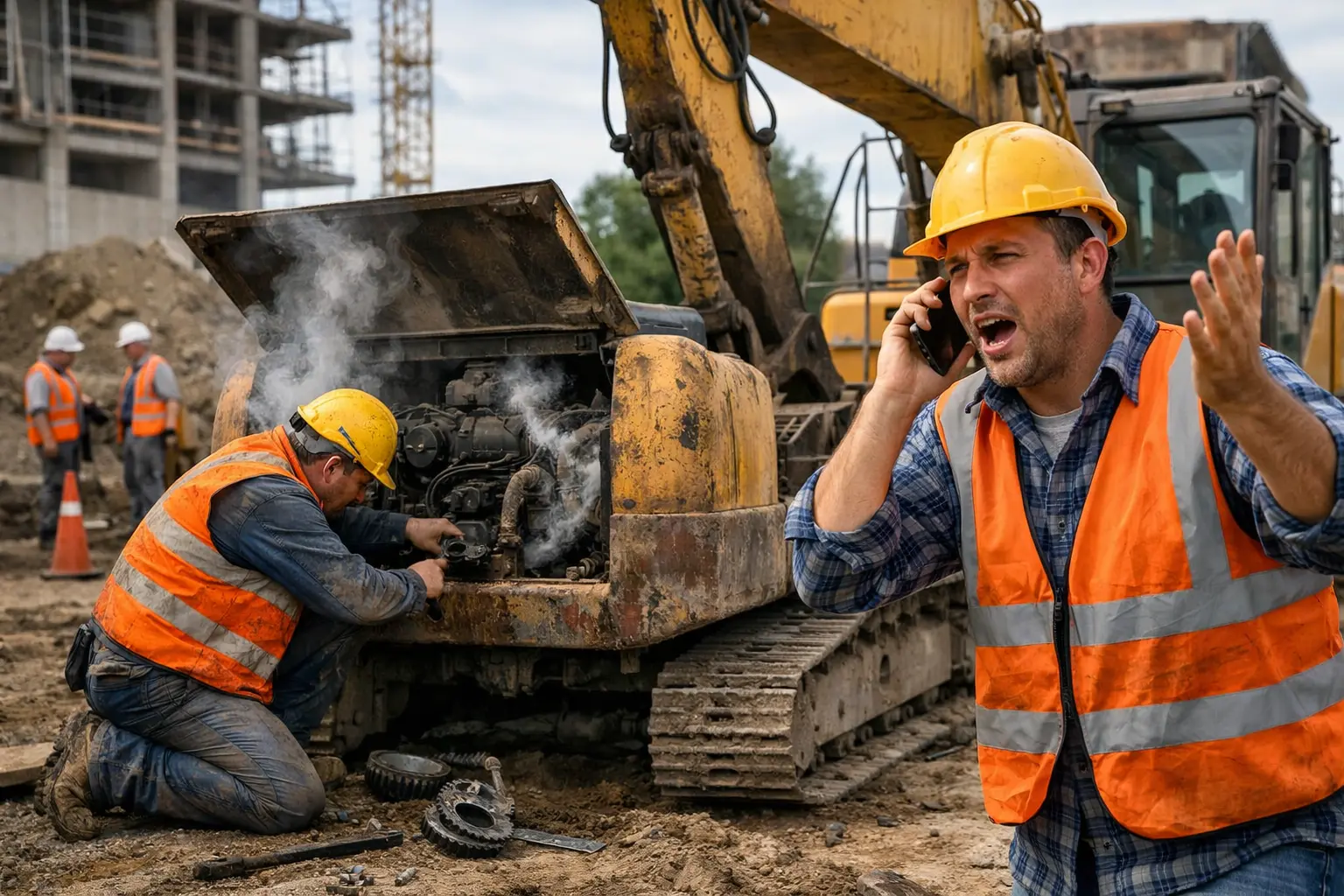
You found a great deal on excavator tracks online. The price was half what everyone else charges, so you ordered a set and installed it. But three months later, they're already falling apart. If that sounds familiar, you’ve run into one of the most common risks in the industry. When a budget component fails early, equipment breakdown is usually just the beginning. Unplanned downtime follows, schedules get blown, and clients start asking questions you don’t want to answer. At Bites Off Broadway, we've spent over 30 years supplying undercarriage parts and machinery components to contractors across New York. We've seen what cheap parts do to equipment, and we've helped operators dig out of those holes more times than we can count. That's why