

Knowing your excavator part numbers before you call a supplier is the fastest way to avoid a wrong order. Most buyers skip this step and rely on the model name instead. That habit is where most fitment mistakes start. A part number alone only tells half the story. Excavator part numbers and serial numbers work together rather than as substitutes. A part number identifies the component, while a serial number confirms which exact machine that component needs to match. This guide covers what determines fitment: part numbers, serial numbers, physical measurements, photos, and the right questions to ask a supplier. A Model Name Alone Doesn't Confirm the Right Excavator Part A model name only tells you the general excavator line rather than the exact
Excavator
Rubber Tracks on Concrete, Mud or Rock: How Ground Conditions Change Wear
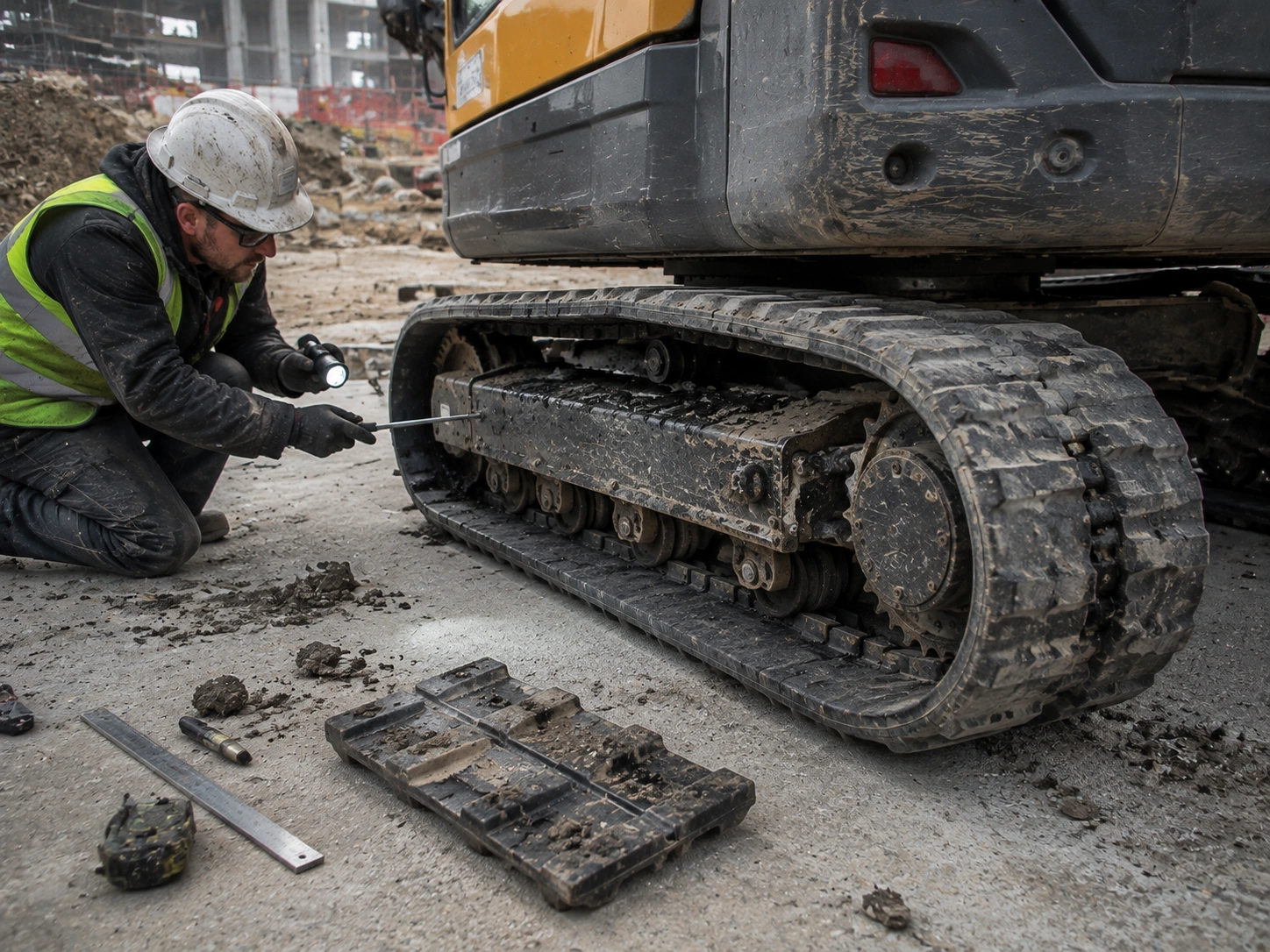
The ground under your machine decides how fast your rubber tracks wear out. Concrete, mud, and rock each affect rubber tracks differently, and repeated exposure can shorten their lifespan on demanding job sites. Many operators don't realise it until repairs or replacements become unavoidable. For contractors running mini excavators across New York, ground conditions change block by block. A morning pour in Port Morris feels nothing like an afternoon dig in a muddy lot in Sunset Park. Each surface puts different stress on your tracks, and that wear builds up over time. This article explains how ground types damage rubber tracks, early wear signs, and choosing and maintaining the right tracks for your terrain. Read on, and you'll have a clearer picture
Construction Equipment Maintenance Checklist to Reduce Downtime
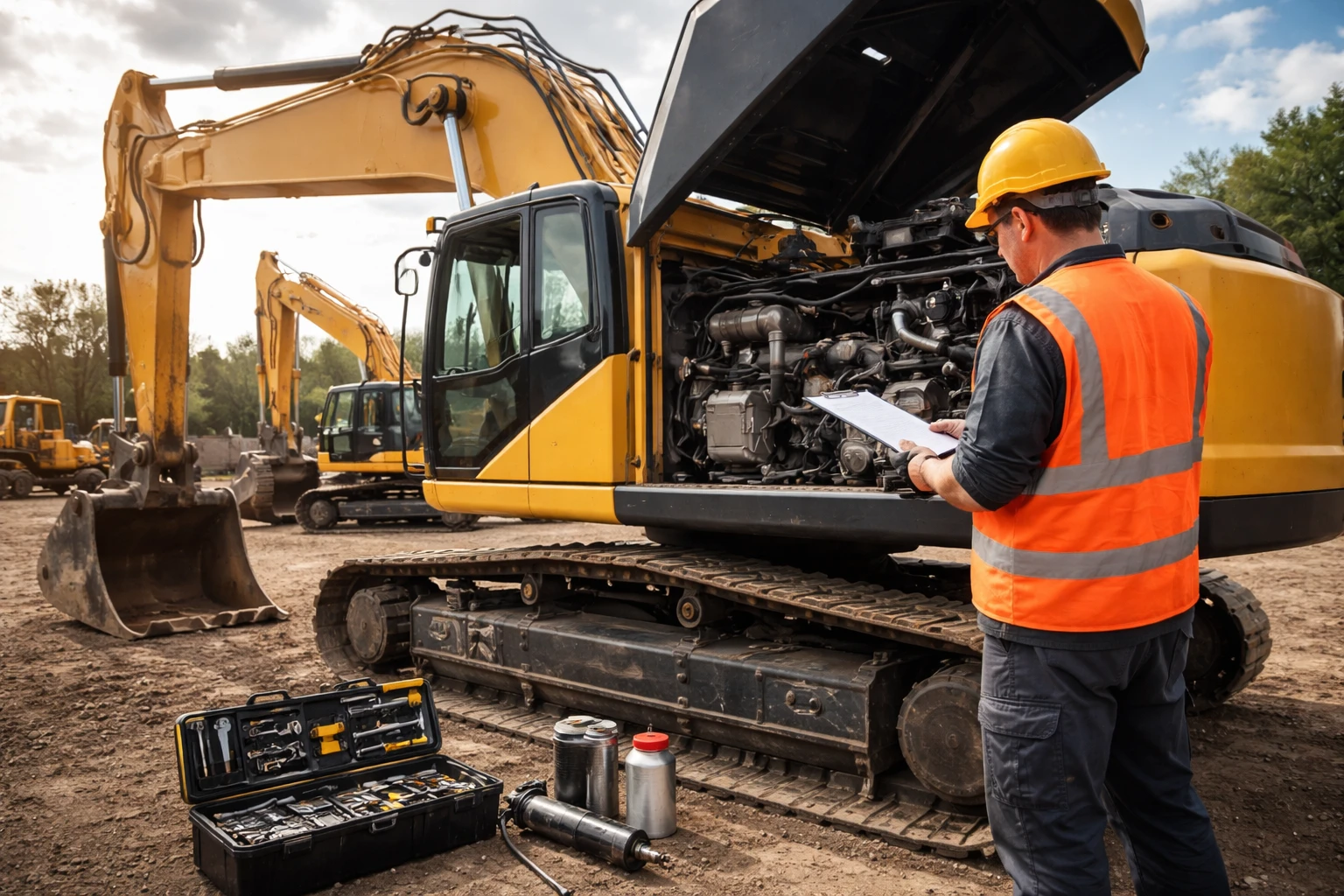
Construction equipment faces brutal conditions on a daily basis. For instance, dust clogs filters, vibration loosens connections, and heat breaks down hydraulic fluid. When problems go unnoticed for weeks, they can suddenly become expensive equipment failures. According to a recent survey, unplanned downtime costs around $25,000 per hour, even jumping past half a million for larger fleets. Fortunately, a heavy equipment maintenance checklist can catch issues while they're still cheap fixes. It guides operators through regular inspections and scheduled services. This article covers daily construction equipment checks that prevent equipment downtime. We’ll also explain hour-based maintenance scheduling and show what should be included in an effective maintenance program. Let’s find out what keeps your machinery working across New York job sites. How a Heavy
How to Choose the Right Rubber Tracks for Your Excavator
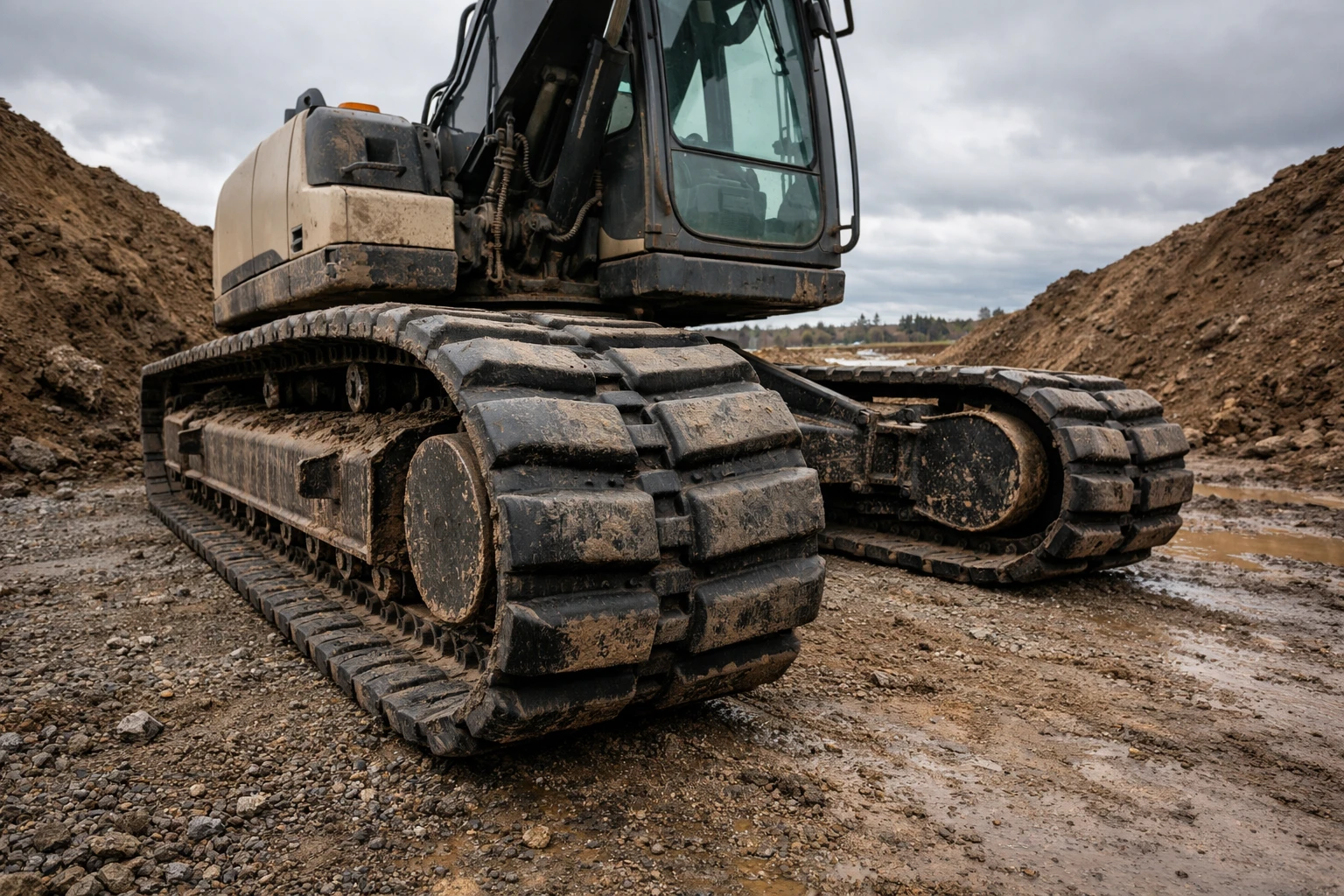
Choosing the right rubber tracks for your excavator comes down to three things: tread pattern, track width, and construction quality. Each one affects how well the tracks handle your terrain, fit your machine, and hold up under your workload. But many contractors pick tracks based on price or what's in stock. That choice often leads to problems like the wrong tracks wearing out faster, losing traction when you need it, and leading to avoidable repairs. This guide walks you through measuring your current tracks, understanding tread patterns, matching tracks to terrain, and spotting the construction features that make tracks last. By the end, you'll know exactly what to look for before you buy. Let's dive in. Why the Right Rubber Tracks Improve Performance and
Buying Used Excavator Parts: What to Check Before You Pay
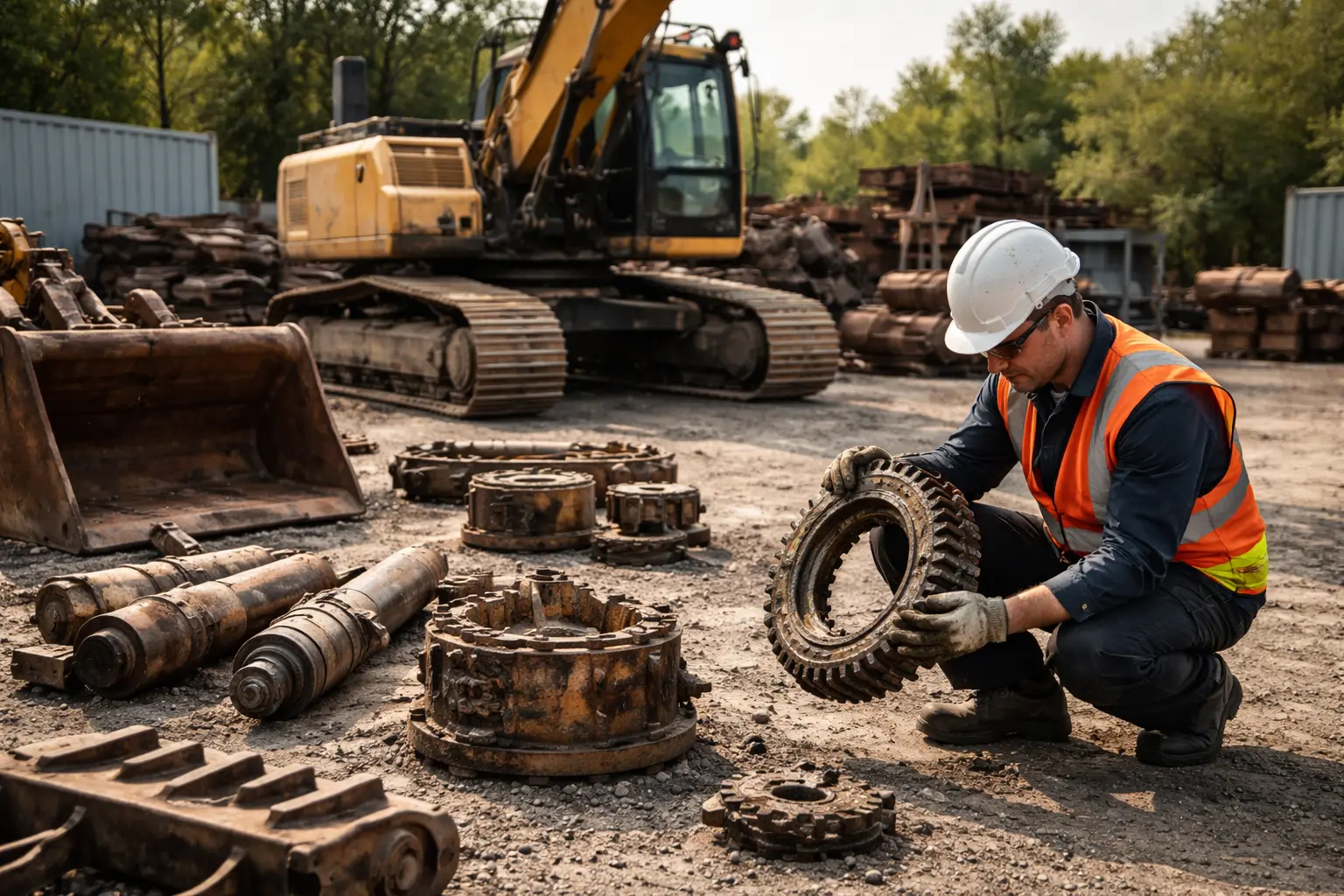
Before you hand over money for used excavator parts, you must inspect the physical condition, confirm the fit, verify the part numbers, and clarify the warranty terms. If you skip any one of those, you'll take on a risk that could cost far more than the part itself. Most of these issues aren't obvious at first glance, and that's exactly where buyers get caught off guard. After years of supplying heavy machinery parts to contractors across New York, we know what separates a solid buy from a costly mistake. So here's what to check before any money changes hands. Why Do So Many Buyers Get Burned on Used Heavy Equipment Parts? Most buyers get burned because they move too fast and inspect too
Undercarriage Parts Explained: What Wears First and How to Spot It
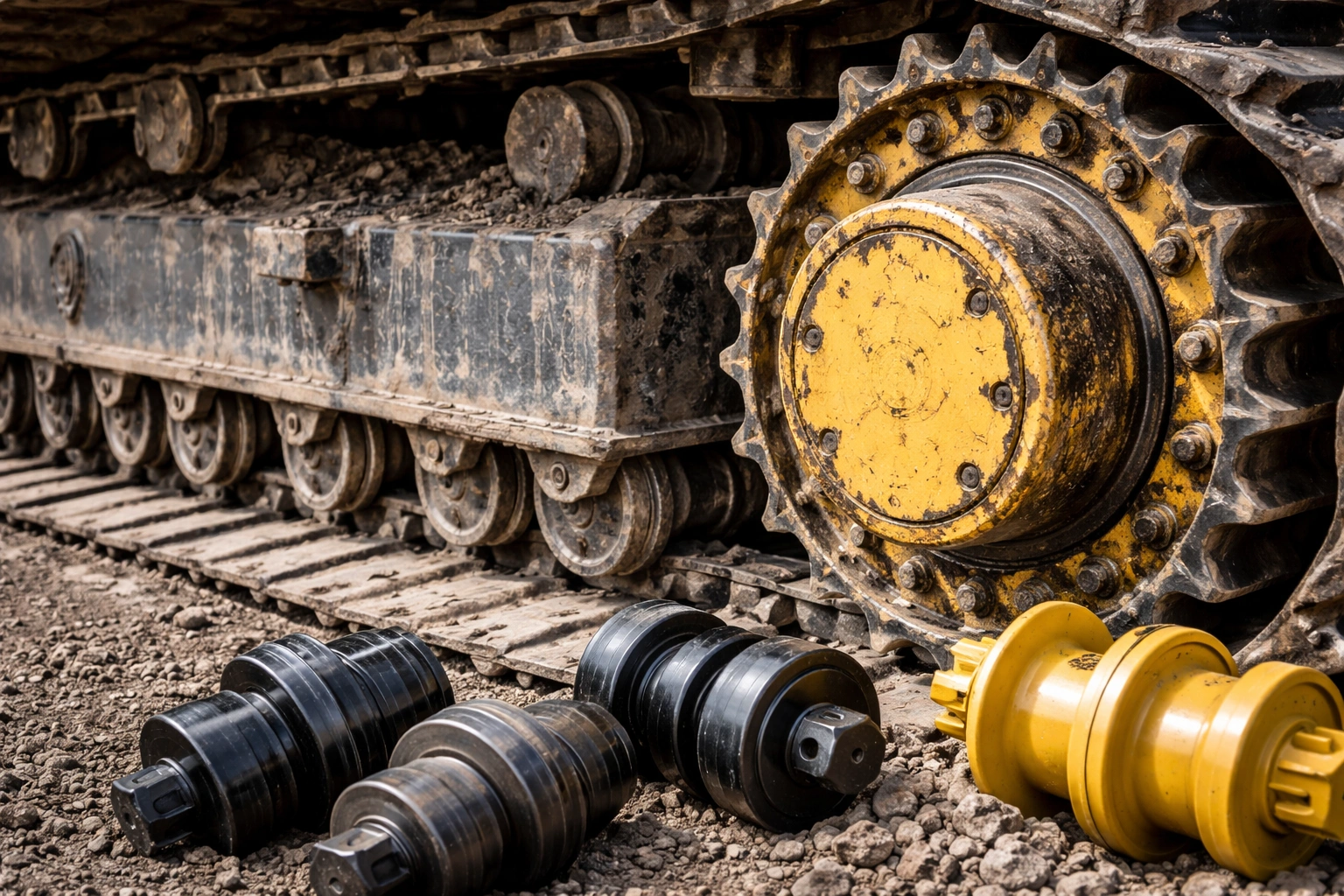
Track rollers wear out first on most excavators, and usually show flat spots within 1,500-2,000 hours under tough conditions. However, proper track tension and daily cleaning separate machines that last 6,000 hours from those that fail at 3,000. In fact, undercarriage components account for more than 50% of an excavator's total maintenance costs over its lifetime. Most operators miss early warning signs like uneven wear patterns and minor oil leaks around track adjusters. As a result, major damage shows up before anyone notices the problem. In this article, we'll cover which undercarriage parts fail first. You’ll also learn about the visual signs that signal replacement, and simple daily habits that prevent costly repairs. Let’s find out the best way to care for your
Why Undercarriage Parts Fail Early and How Contractors Can Prevent It
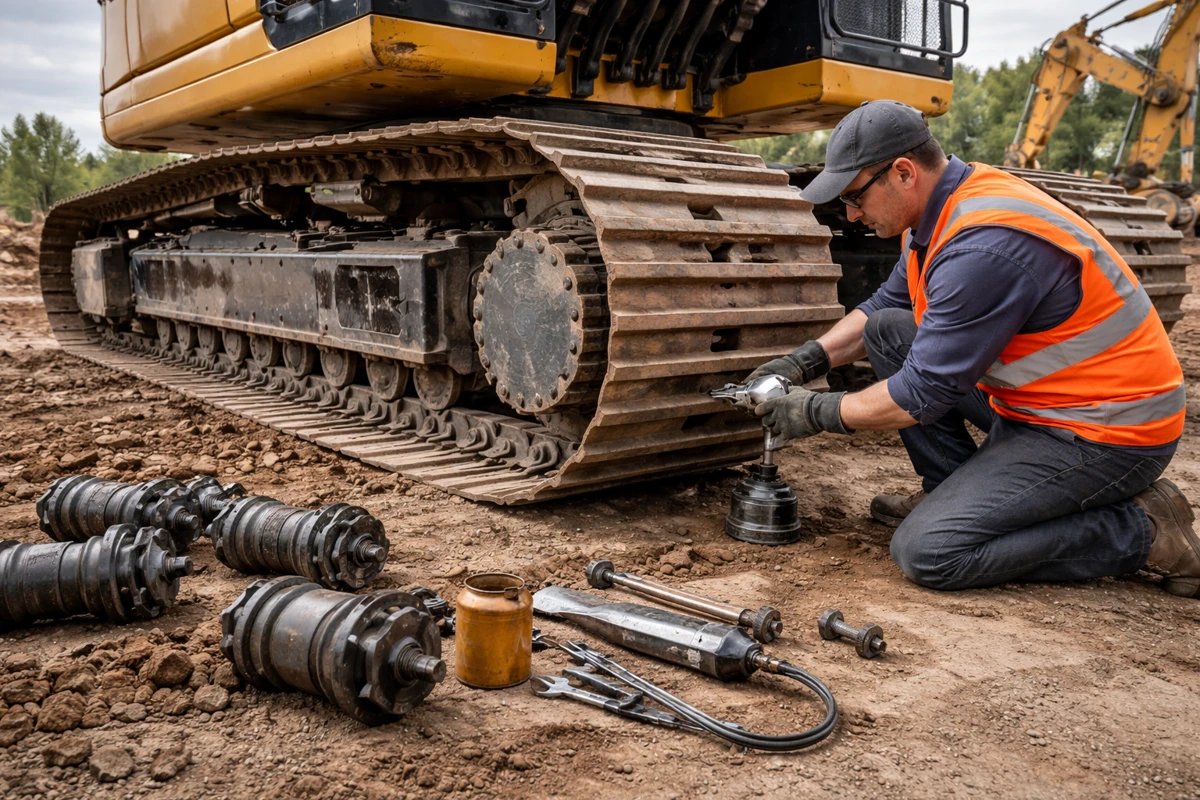
When undercarriage parts fail early, it is often due to everyday work conditions and maintenance habits, and not bad luck. These components are also the fastest-wearing parts of heavy equipment. So, knowing why this happens can help you avoid breakdowns, reduce downtime, and save money on repairs. Problems with the undercarriage account for roughly 50% of all track machine maintenance costs, according to an industry report. That means half your maintenance budget goes to one system alone. In this article, we'll cover the inspection routines that catch $200 problems before they become $15,000 emergencies. You'll find out why undercarriage components fail early, which excavator parts break down first, and the daily maintenance mistakes that speed up wear. Let’s begin with the reason undercarriage
How Bites Off Broadway Built the Longest Warranty in the Industry
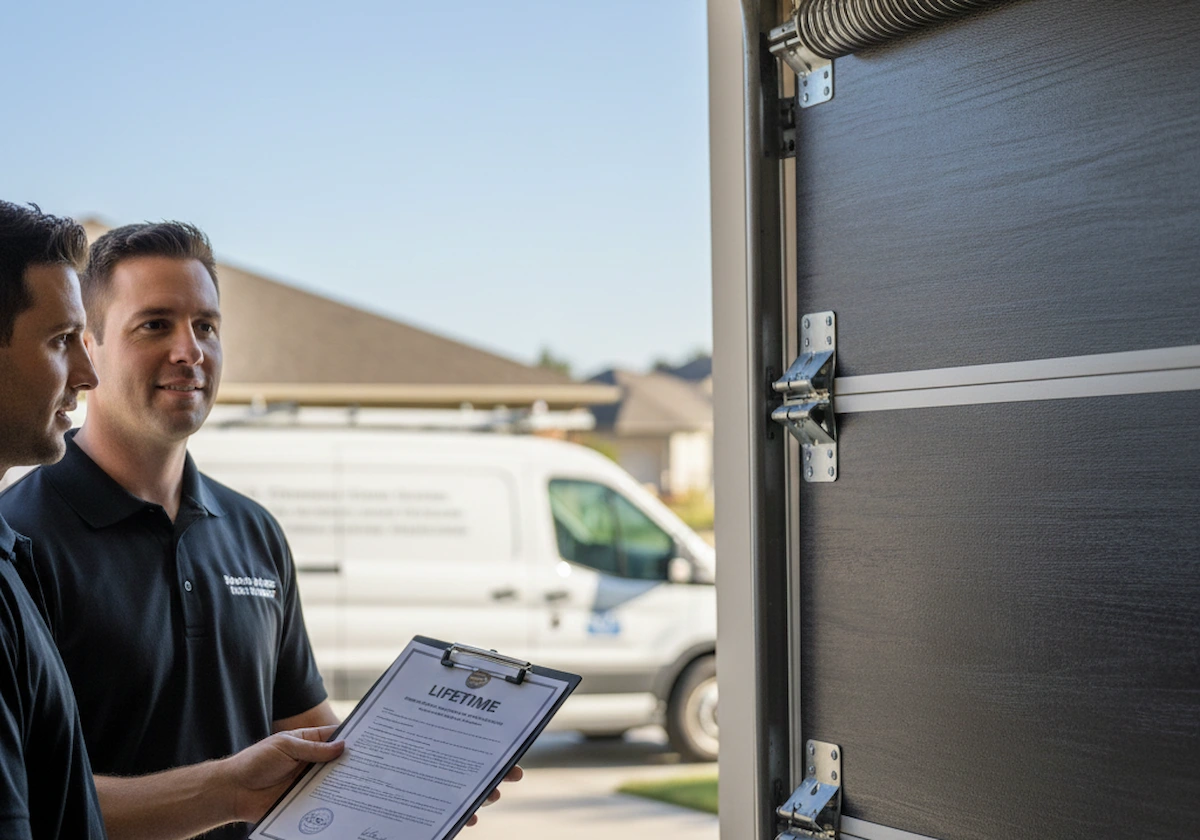
Are you tired of buying excavator parts that break down right after the product warranty expires? The reason this keeps happening is that most suppliers in the construction industry offer the bare minimum coverage. They're counting on you not to read the fine print. We decided to do things differently. Our warranty backs every part we sell for longer than anyone else because we've tested the quality enough to stand behind it. If you're wondering how we built the longest warranty in the business, here's what we'll cover today: the difference between written warranties and implied warranty protection, our quality control testing process, why cheap parts fail so fast, and what actually happens when you need warranty service. At the end of the
Five Essential Parts Every Excavator Owner Should Always Keep On Hand
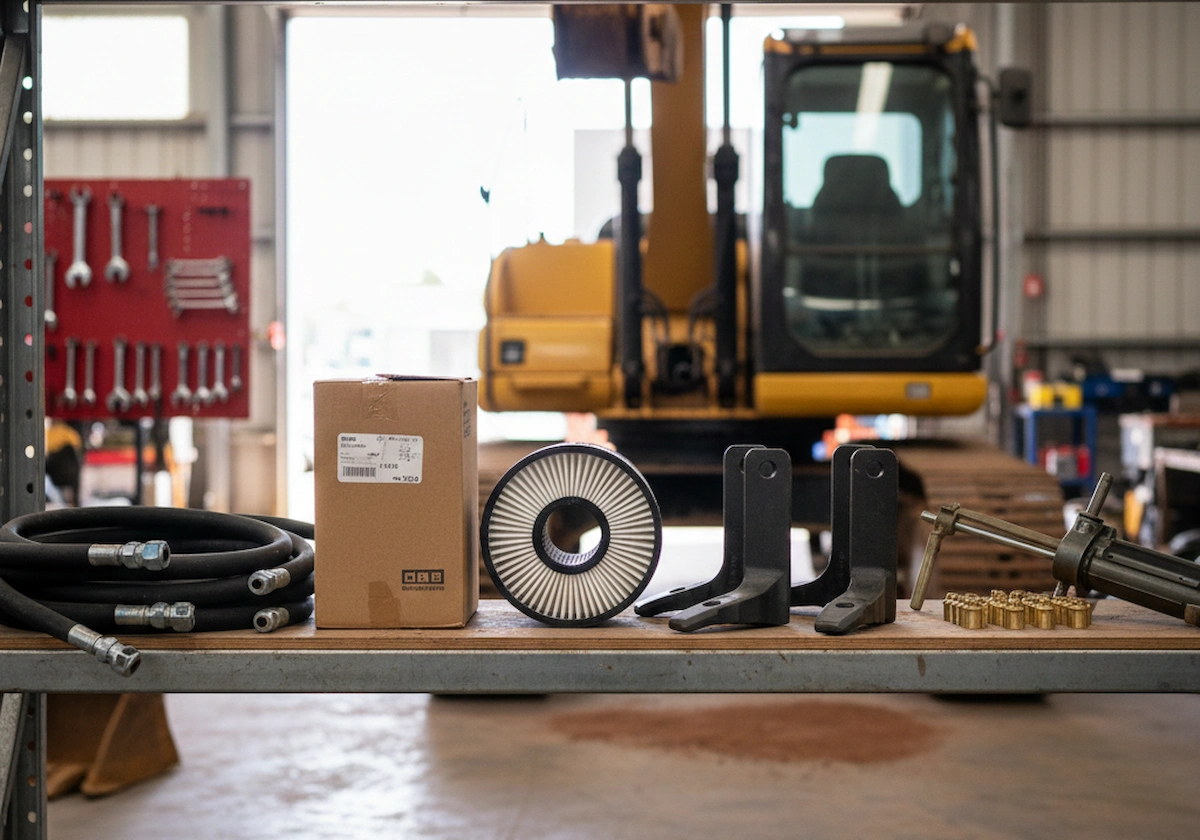
Every excavator relies on a handful of components that determine how well it operates day to day (and whether you're dealing with downtime or smooth sailing). Those parts include the hydraulic pump, final drive, swing motor, control valves, and undercarriage components like track rollers and idlers. In this article, we're going to walk through each part, explain what it does, and help you spot early warning signs before something breaks. If you're running equipment on-site or managing a fleet, partnering with a leading supplier makes sourcing reliable parts far easier. Let's start with the hydraulic pump, which powers nearly every movement your excavator makes. Hydraulic Hoses and Fittings Hydraulic hoses fail more frequently than almost any other excavator component because they're constantly flexing under
How the Parts Shortage Changed Equipment Supply Chains

The parts shortage forced construction companies to completely rebuild their supply chains. Between 2020 and 2023, lead times jumped from weeks to months, costs skyrocketed, and projects stalled because of missing parts. We’re Bites Off Broadway, and we supply top-quality equipment parts in New York. Over the last 30 years, we’ve witnessed how the entire parts industry has changed. In this guide, we'll cover: What initiated the equipment parts shortage Which parts are still hardest to get in 2026 What the shortage actually cost construction companies How companies are avoiding future disruptions Ready? Let’s begin. What Caused the Equipment Parts Shortage? The equipment components shortage started in 2020 when COVID-19 shut down factories worldwide. Nobody anticipated how quickly the supply chain industry could collapse until that point. How about we