
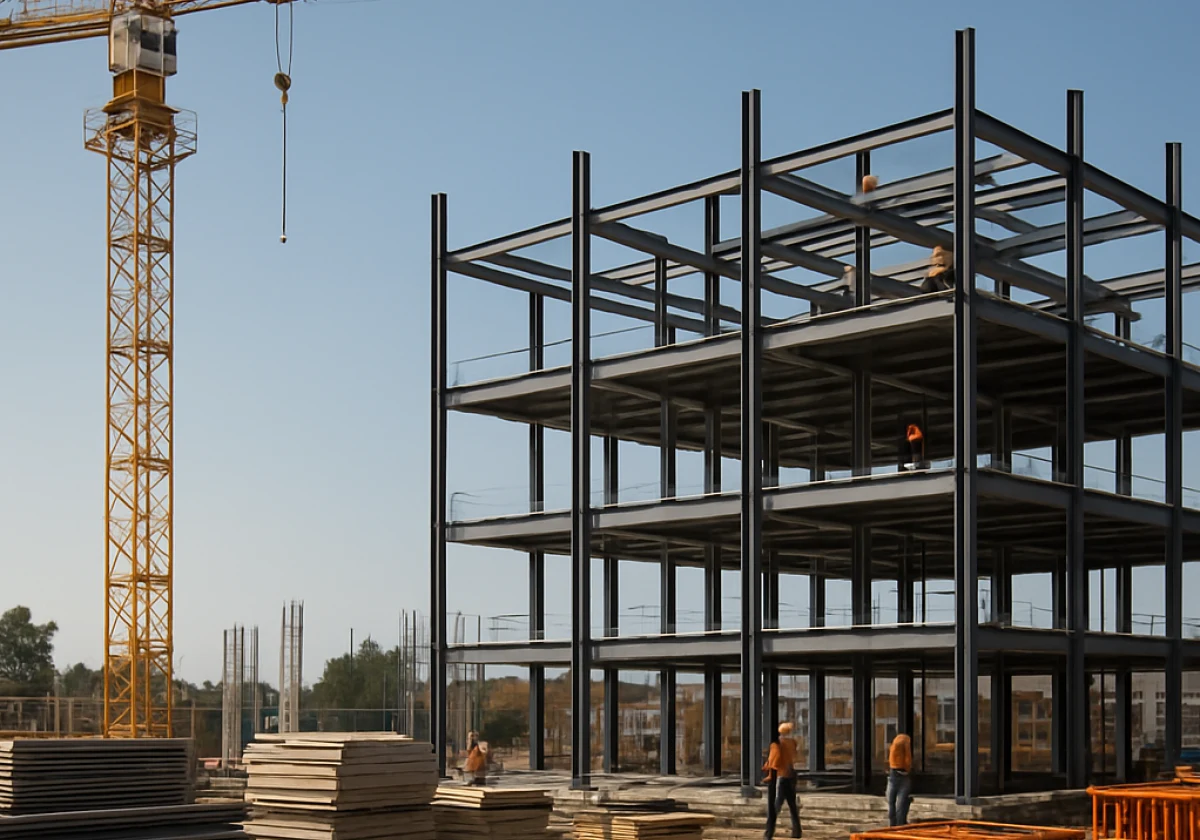
Construction businesses need different equipment, crews, and management support depending on the commercial, residential, or industrial projects they handle. For example, a parking deck contractor needs concrete crews and heavy equipment, while a bedroom drywall firm relies on installers and finishing tools.
That gap in project experience causes trouble later during hiring time. You call a construction company whose crews live on industrial sites, then wonder why your bathroom job keeps sliding down the schedule.
This guide covers how site demands, machinery, and hiring questions shift by job type. You’ll also see how a contractor budgets cash flow before taking on more work.
Let’s get started.
Commercial and Residential Construction Businesses Face Different Pressures
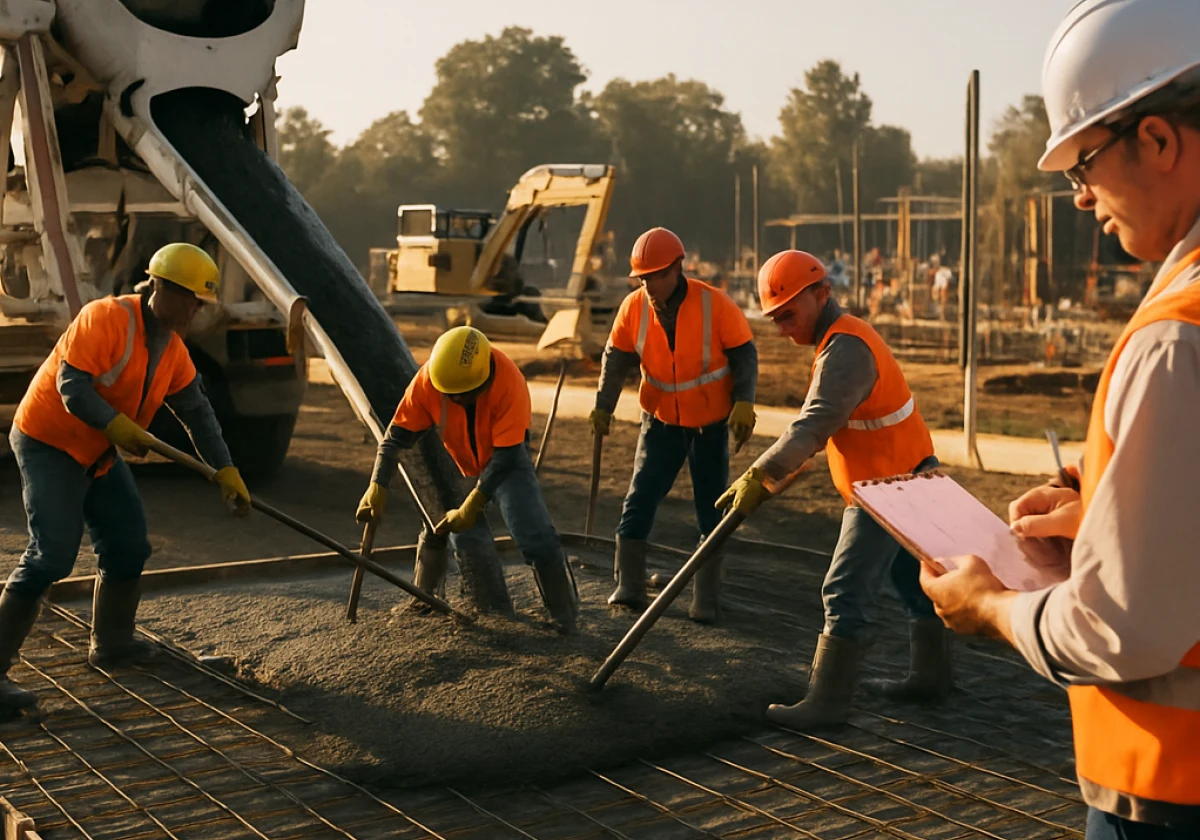
Generally, crews pouring a hospital foundation and crews framing a kitchen remodel run on completely different schedules. That’s because commercial and industrial work answers to inspectors. And a general contractor doing residential work must plan noisy tasks around a family still living in the home.
Three job types carry most of the work, so compare each one against the project you’re hiring for.
Daily Demands on Commercial Construction Sites
Commercial construction needs a clear work sequence, and industrial projects require close coordination between crews. A superintendent manages that sequence by scheduling steel erection, mechanical installation, and electrical work around each trade’s progress. The aim here is to have the next crew ready when the site is ready for them (idle crews still collect full payroll, every single hour).
Because crews depend on one another’s progress, documentation helps confirm when the next stage can begin. Submittals, safety logs, and quality checks record approvals, hazards, and completed work. Missing paperwork can delay inspections and the tasks that follow.
What Home Remodeling and Residential Construction Jobs Require
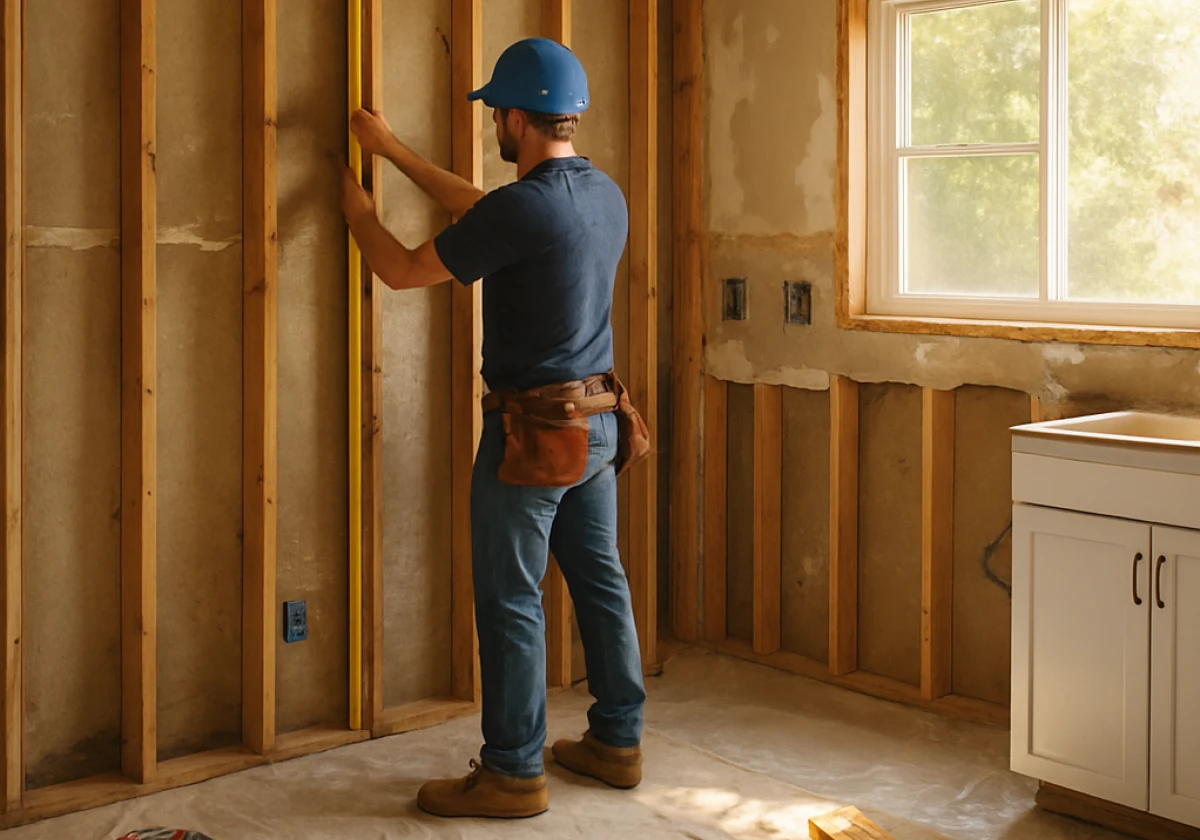
Home improvement work asks for a different skill set, as remodeling services happen inside someone’s living space. Your crew protects floors, keeps dust out of bedrooms, and finishes trim that homeowners inspect from a foot away.
Beyond that, residential construction pulls more trades into less square footage. For instance, one kitchen brings in plumbing, electrical, cabinetry, tiling, and painting within a few weeks. A home addition needs those same trades, but foundation and framing crews must prepare the new space before interior work begins.
During a remodel, crews should explain the next day’s work and how it’ll affect access to your kitchen. That notice helps you plan meals while construction continues.
Where Restoration Services and Emergency Work Fit In
Property restoration can involve residential and commercial buildings after water, fire, or smoke damage. Burst pipes on a Sunday need an emergency service call rather than a bid meeting on Tuesday.
In that situation, speed influences the whole structure of these construction businesses. Crews run on rotation, trucks stay loaded with drying gear, and the first hours decide whether flooring and drywall survive.
Insurance work then adds another layer. Anyone who’s walked a flooded basement knows the adjuster wants photos and moisture readings before the drywall comes out. And good home services crews log all of it on a phone before they touch a wall (photos now protect your insurance claim months later).
Why Do Excavation Companies Depend So Heavily on Heavy Machinery?
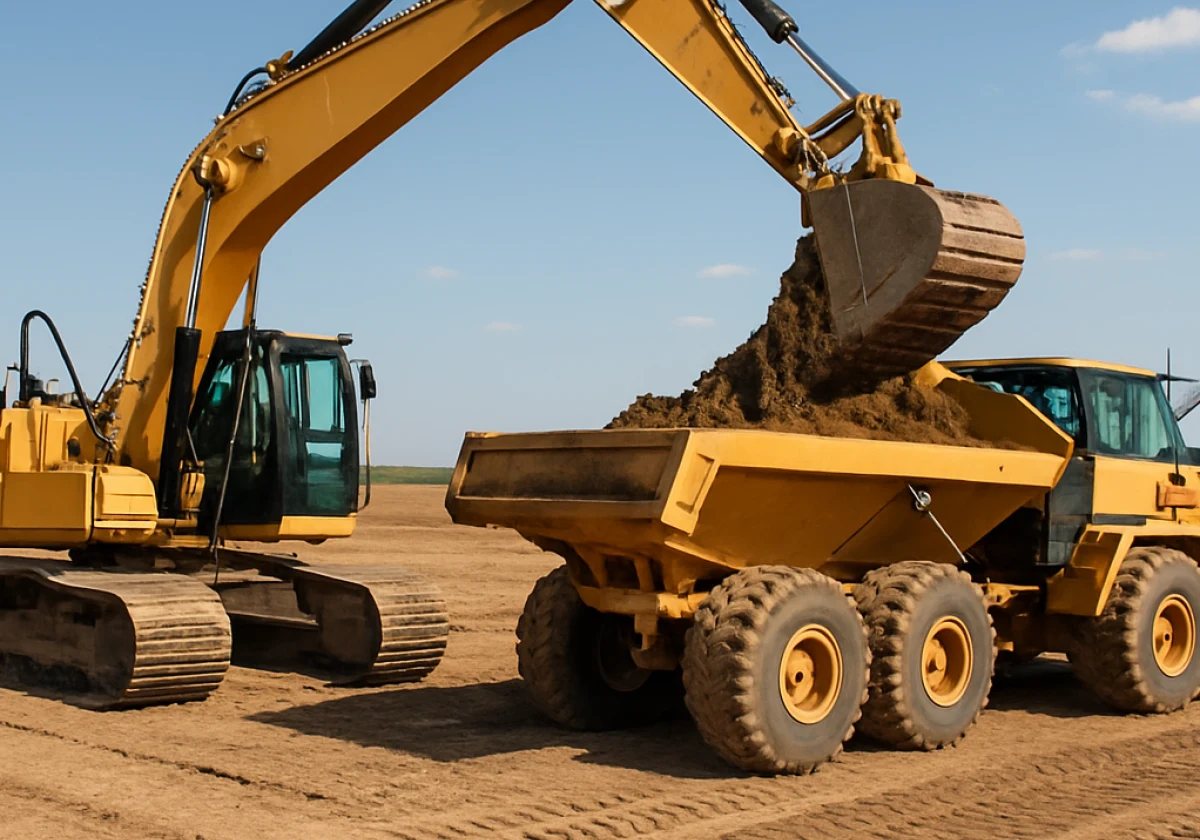
Excavation companies depend on heavy machinery because digging, grading, and hauling earth can’t be done by hand at any real scale. One excavator moves in an hour what a shovel crew would shift in a week, and that math sets the bid. Almost every new construction project starts there, so the dig date sets the schedule behind it.
Line the three business types up side by side and the equipment needs separate quickly.
| Business Type | Typical Machines | Crew Size | Job Site Scale |
|---|---|---|---|
| Excavation companies | Excavators, dozers, skid steers, dump trucks | Small operator-led crews | Open land, utilities, roads, foundations |
| Commercial builders | Cranes, lifts, concrete and steel equipment | Large multi-trade crews | Multi-story buildings and facilities |
| Residential remodeling firms | Hand tools, compact loaders, dust control gear | Small finish crews | One home, often one or two rooms |
Equipment costs explain why these firms take on different jobs. Excavation companies, for example, cover machine payments, fuel, and maintenance through their project rates. Loan payments and some upkeep costs continue even when equipment sits idle, which makes scheduling paid work important.
And for your project, use the table to identify firms with machines, crews, and experience suited to the site.
Choosing General Contractors Who Fit Your Project
The right general contractor keeps your project on schedule and protects your budget from expensive surprises. Experience with similar projects helps them estimate costs, coordinate trades, and plan for site conditions before work begins.
Three checks will help you sort the contractor.
Questions to Ask Before You Sign a Contract
Ask who runs your job day to day, because the person selling the work often isn’t the person supervising it. Get that name, then ask how many other construction projects the same supervisor carries at once.
Beyond that, confirm how the contractor handles changes to the agreed work. Solid answers cover written change orders, pricing, and your approval before anyone swings a hammer.
Licensing and insurance round out the list. Names like construction LLC, construction Inc., and construction Co. don’t establish a contractor’s qualifications, so request the licensing and insurance documents themselves (emailed copies beat a verbal promise every time).
How Project Management Styles Differ Between Firms
Project management styles split into two broad camps. Some firms design and build under one roof, so one team carries engineering design through to the finished work. Meanwhile, others bid from plans an architect has already drawn.
That choice changes your experience as the owner. With design-build, one company coordinates the design and construction. This gives you a single contact for questions and changes. By contrast, contractors price the same plans with architect-led bidding, which lets you compare quotes against an agreed design.
Either way, ask how often you’ll hear from them. Weekly walkthroughs and a shared schedule beat a contractor who only calls when something has already gone wrong.
Signs a Contractor Knows Your Type of Work
Honestly, experience shows up in specifics rather than slogans. In practice, custom home builders talk about framing tolerances and finish schedules. By contrast, commercial contractors talk about permits, phasing, and tenant build-outs.
References carry the same signal, too. That’s why you should call two clients with jobs like yours and ask what went wrong and how the firm fixed it.
Also, hiring on price alone is how many owners end up paying twice. For example, a commercial remodeling crew may anticipate outdated wiring above ceiling tiles and include an allowance for repairs. A quote that leaves out those costs may rise once work begins.
Growth Planning: How Construction Businesses Budget for What Comes Next
Many construction businesses fail over cash flow rather than poor workmanship. Beautiful work still runs dry while invoices from last month sit unpaid. Federal survival data shows roughly one in five new U.S. businesses closing inside the first year.
Those payment delays also affect plans to expand. Before buying a second machine or adding a crew, a construction company checks whether it can cover payroll through the slow stretch between draws.
Equipment choices follow the same logic. Renting keeps cash free while you test a new line of construction services. And buying only pays off once the machine runs steady hours most months.
Seasons affect the calendar too. For instance, locally owned firms in Northwest Ohio plan around the winter slowdown, so general contractors split interior and exterior work across the seasons. Framing crews on new homes push hardest from spring through fall.
To cover costs during slower months, contractors need cash reserves, scheduled payments, and clear agreements about additional work.
Find the Right Fit for Your Next Construction Project
Matching a firm to your job type often saves more than a negotiated discount. The right fit already knows your permits, trades, and the problems your work tends to create.
So write down what your project really needs before you call anyone. Run the three checks, and a long list of names gets short quickly.
Ready to plan your next build with clearer answers? Reach out to Bites Off Broadway for guidance on choosing the service and the contractor that suit your property.