

Buying heavy equipment involves five factors: budget, machine condition, dealer support, financing terms, and job site needs. Each of these factors pulls in a different direction, so the machine you pick has to satisfy all of them at once.
That trade-off can make the purchasing choice difficult. For example, a used machine with 9,000 hours may cost more to maintain over three years than a newer one, while purchase price alone won’t show how downtime could affect your schedule.
To help you compare your options, this guide covers:
- What buying heavy equipment really costs
- The new versus used call, the dealer questions worth asking
- How to match listings to your crew
Let’s start by looking beyond the sticker price.
Budget Reality: What Heavy Equipment Buying Costs Beyond the Sticker Price
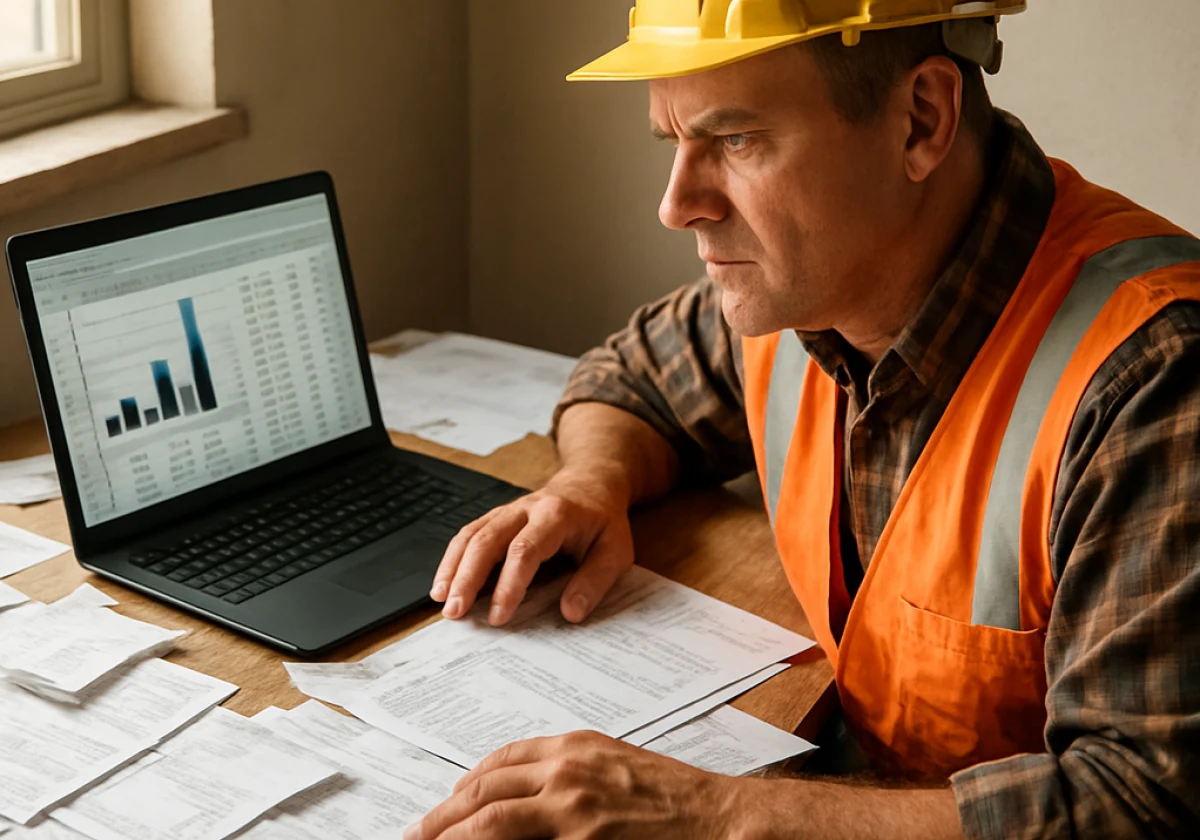
Many buyers budget for the purchase price but overlook repairs that may arise later. Specifically, fuel, parts, labour, and insurance keep adding costs after the machine leaves the lot.
Include these ongoing expenses when working out what the machine will cost to own.
Purchase Price Versus the Total Cost of Your Equipment Investment
The invoice price is only one part of your equipment investment. Fuel, parts, and insurance add to the cost, while resale value can offset some of it when you sell.
For example, a $70,000 excavator that retains 55% of its value after five years may cost less to own than a $55,000 model that retains 30%. Weigh up these figures before you shop, as resale value can change which listings fit your budget (we learned this lesson the expensive way ourselves).
How Financing Heavy Equipment Shifts Your Monthly Payments
Equipment financing spreads the purchase price across monthly payments. And the loan term and interest rate both affect your monthly costs and the total amount you repay.
For instance, a 60-month loan at 8% may have lower monthly payments than a 36-month loan at 6%, but the longer term can increase total interest.
You can measure equipment financing offers by total interest paid, then check whether an early payoff causes a penalty. A lender can also pre-approve your loan, which gives you a clear purchase budget before you start comparing machines.
Fuel, Parts, and Downtime Add Up Fast
If you’ve ever watched a crew stand around waiting on a pump, you know downtime costs include lost working hours. For example, a delayed hydraulic pump for a compact wheel loader can stall a whole grading schedule. You still pay the crew while they wait for repairs.
Compared with unexpected breakdowns, fuel is easier to budget for. You can estimate fuel costs using the U.S. Energy Information Administration’s weekly diesel prices. Use those figures alongside expected operating hours to estimate fuel expenses, then allow for upkeep based on the machine’s service history.
Should You Buy New or Used Heavy Construction Equipment?
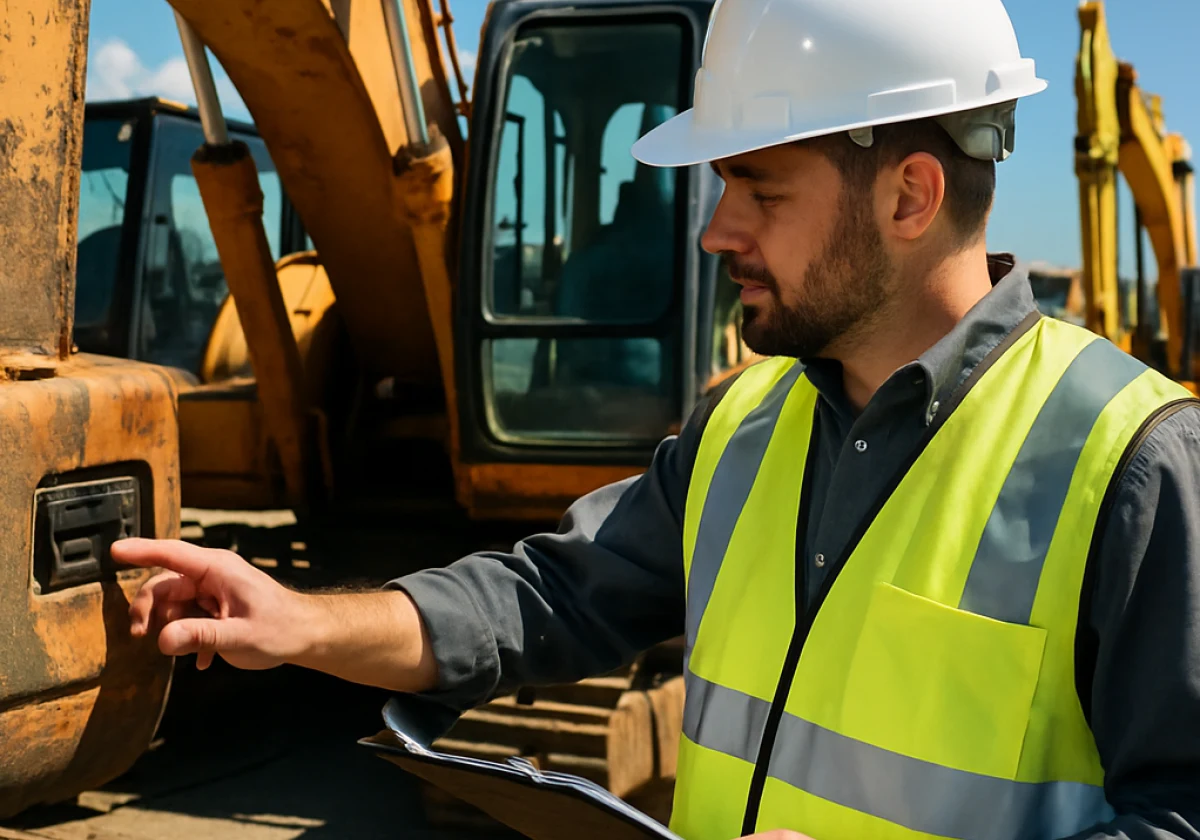
Used equipment may suit seasonal work on a limited budget, while new machines may suit daily production that needs warranty coverage. If you want to weigh the options, consider how many hours you’ll run the equipment each year and how repair delays could affect your schedule.
The comparison below lines the trade-offs up side by side.
| Factor | New Equipment | Used Equipment |
|---|---|---|
| Upfront cost | 30 to 50% higher | Lower, with savings on day one |
| Warranty | Full factory coverage | Limited or dealer-backed |
| Downtime risk | Low through year one | Depends on maintenance history |
| Best for | Fleets running 1,200 hours yearly | Seasonal and backup machines |
Before deciding, measure the savings on a used machine with the repair costs and downtime your crew could face. Any upfront savings need to leave enough room in your budget for those expenses.
The Right Equipment Dealers Keep Your Construction Machinery Working After the Sale
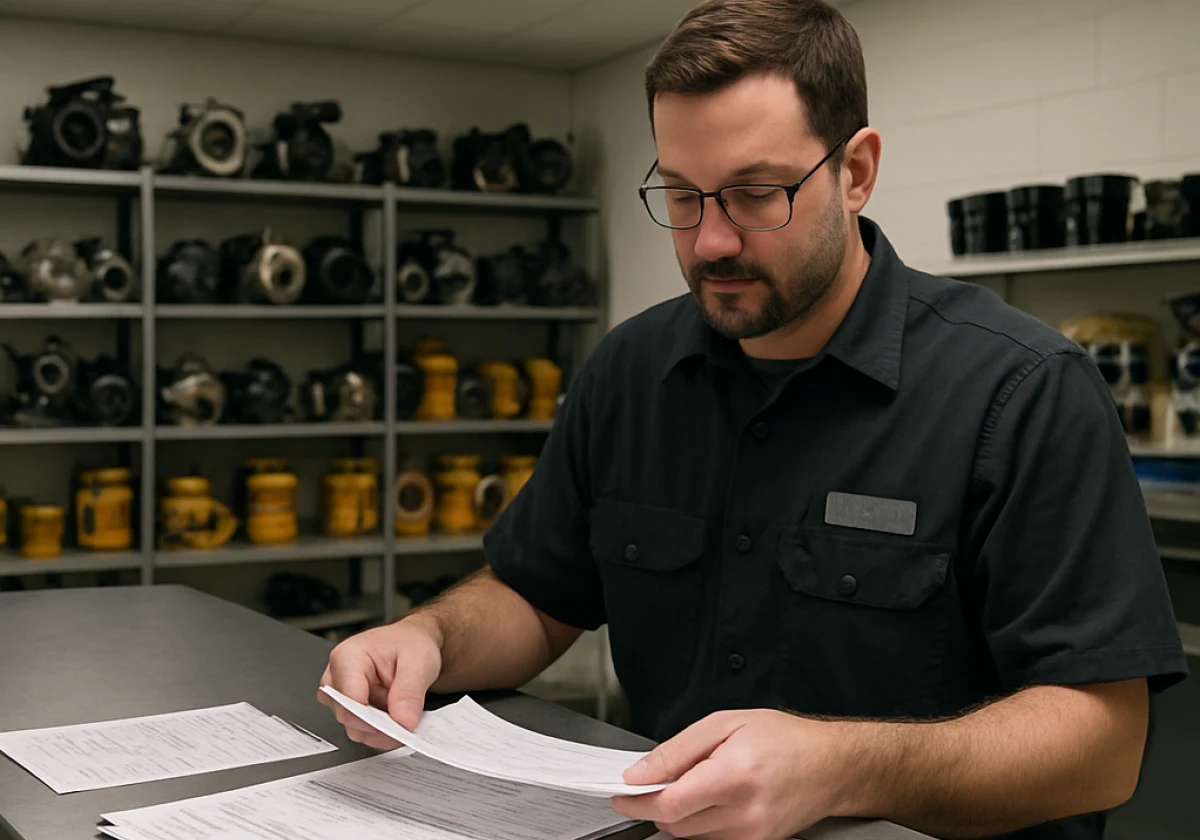
A dealer’s support after the sale affects how quickly you can get your construction machinery back to work after a breakdown. To assess that support, ask which replacement parts the business stocks and how quickly its technicians can respond when your crew needs repairs.
So before choosing a seller, check its maintenance records, parts availability, and warranty terms.
What Records Should a Seller Hand You When Buying Used Equipment?
A seller should provide service records, oil sample results, hour meter readings, and repair invoices covering the last three years. These documents help you check the previous owner’s maintenance schedule and identify recurring faults.
If the seller can’t provide those records, ask them to explain the gaps (silence on this point always costs you later). As missing maintenance history makes future repair costs harder to estimate, consider an independent inspection before committing to the purchase.
Parts Availability and Service Response Times
The machine’s service records and repair invoices help you assess past repairs, but you also need to know how the dealer will support future ones. So start by asking which replacement parts it keeps on site for the machine you’re considering.
When speaking with Houston dealers, ask about parts stock for the Caterpillar, John Deere, Komatsu, or CASE model you’re considering. And if they need to order a component, request an estimated delivery time before planning your repair.
However, parts alone won’t get your crew working again if no technician is available to fit them. That’s why you should ask for a written service response time, including how soon the dealer can send someone to your jobsite.
Warranty Options to Check Before Buying Construction Equipment
A used-machine warranty may cover the engine, transmission, and hydraulics, but the duration depends on the dealer and policy. So before comparing offers, ask when coverage starts and which repairs the dealer agrees to pay for.
Check the exclusions too, as policies may leave out wear items like tracks, tires, and bucket teeth. These details help you identify expenses you’ll still need to cover yourself.
If the dealer offers extended coverage for a fee, compare the premium with the repairs it covers. Also, ask about claim limits and deductibles, as both affect how much you could pay after a breakdown.
Machinery Selection: Checking Equipment for Sale Against the Work Your Crew Does
Now that we’ve covered the dealer support, let’s match listings to the work ahead. You’ve probably bookmarked a dozen machines that all looked right at 11 PM, yet fit depends on your sites, loads, and equipment needs.
Beyond dealer support, look at each listing with the tasks your crew handles. Rough-terrain cranes lift heavy loads, while telescopic boom lifts provide access for work at height. An excavator serves a different purpose, so narrow your search by the job before comparing individual models.
Run every machine you’re considering through these four checks.
- Site Access and Size: Narrow residential lots favor mini excavators and a compact track loader, while open earthmoving suits a backhoe loader or wheel loader.
- Attachment Compatibility: Check that a skid steer accepts the couplers and hydraulic flow your current attachments need.
- Hauling and Transport: Beyond 20 tons, you need permits, heavier trucks, trailers, and a route plan for every move.
- Hours and Duty Cycle: Running past 1,200 hours a year pushes you toward lower-hour machines with documented upkeep.
Quick Tip: Write your three most common jobs down before you browse the equipment available at an equipment marketplace or bid at equipment auctions. That one habit stops more bad purchases than any inspection checklist.
Your Next Machine Should Earn Its Keep
Every piece of equipment you buy either earns its keep on the schedule or secretly drains the margin you planned around. Your budget, machine condition, dealer support, financing terms, and jobsite needs all influence the equipment you choose.
Price the full cost, read the records, and call the dealer before a listing talks you into anything. Plus, walk the machine yourself whenever you are looking at a purchase over $30,000.
Bites Off Broadway lists new and used machines for contractors across Texas. Contact us to compare inventory, pricing, and financing before you buy.