
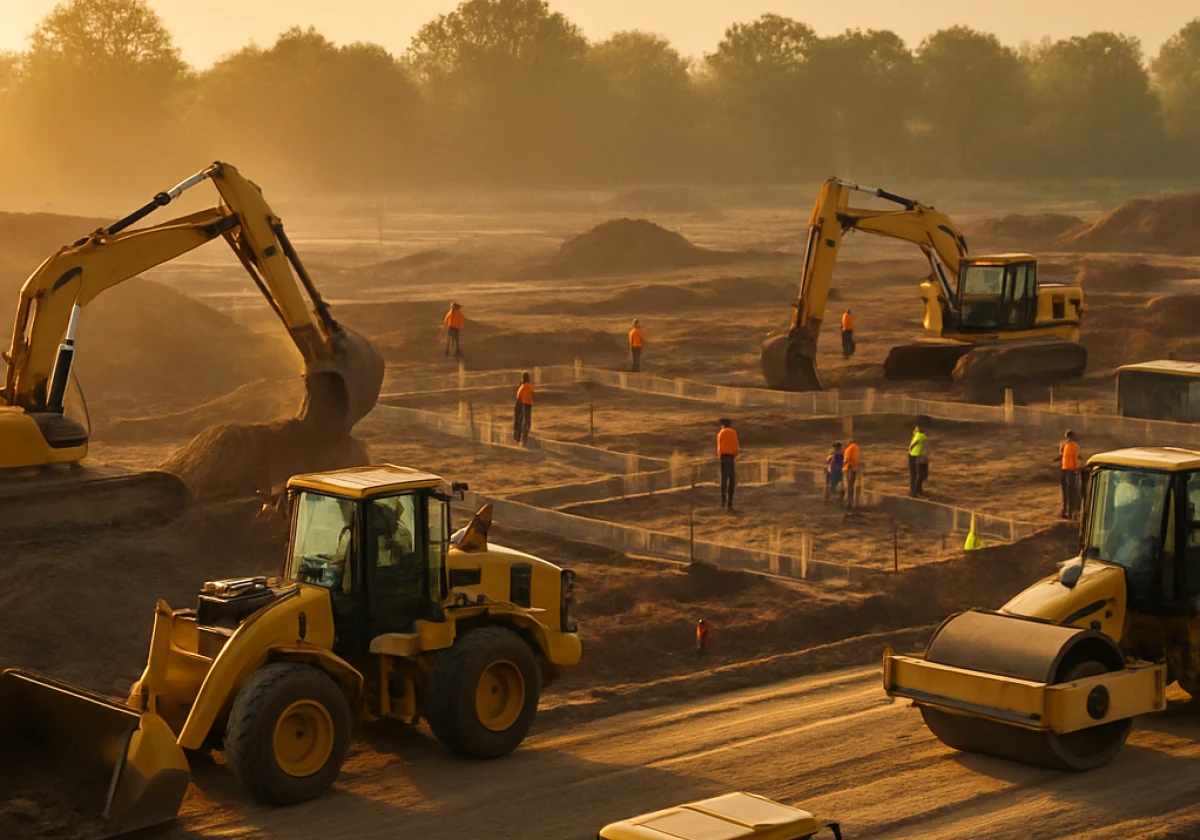
Equipment compatibility affects construction productivity by deciding how well machines, attachments, and crews work together on site. When a coupler, track, or hydraulic line doesn’t fit, the whole sequence of work slows down.
Most delays start in the yard, when the rented breaker won’t connect to the excavator that showed up. At Bites Off Broadway, we see construction productivity losses across New York job sites every season, and the causes follow a consistent pattern.
This guide covers what mismatched attachments cost in labor hours, which fleet choices keep crews moving, and how machine data connects to your software.
You’ll also see which checks to run before signing a purchase order. Let’s get into details.
Why Does Equipment Compatibility Decide Construction Productivity?
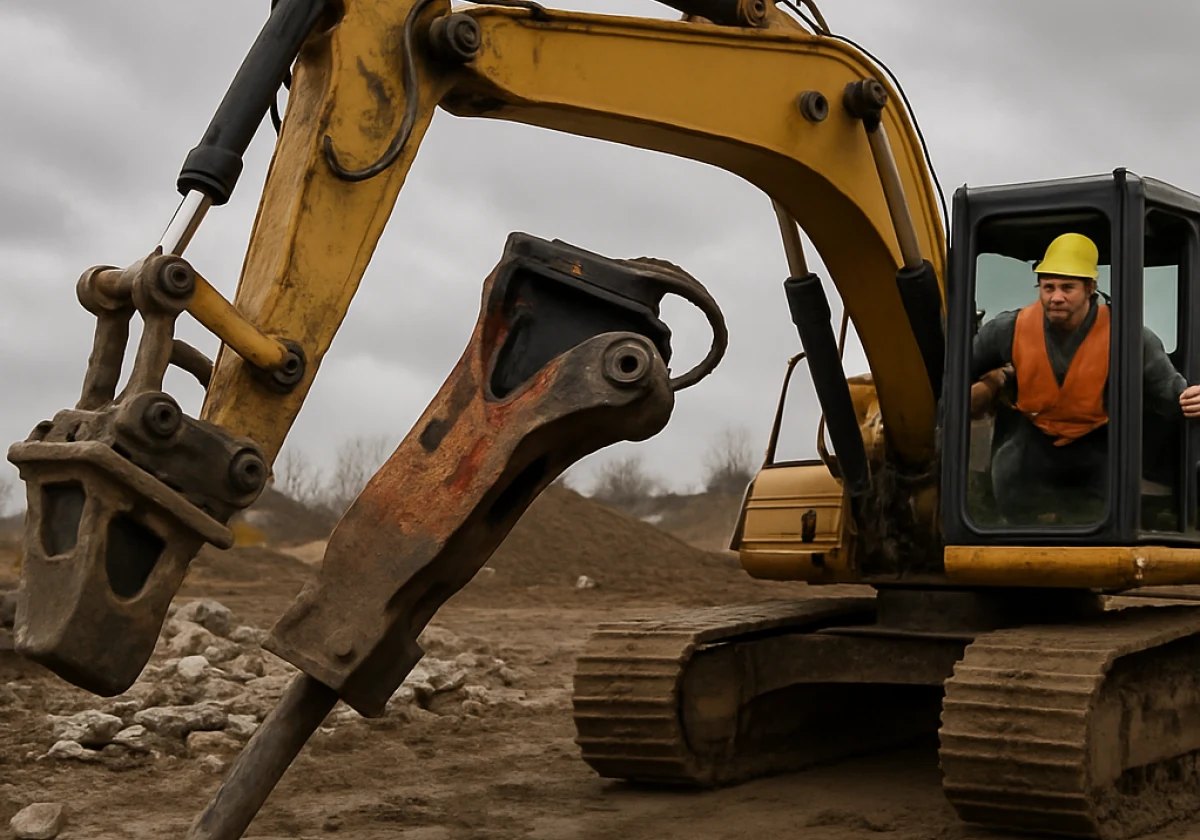
Equipment compatibility determines construction productivity because mismatched machinery creates downtime, rework, and idle crews. Construction projects move at the speed of their slowest handoff, so one bad fit stalls everything behind it. Of all the factors affecting construction productivity, fit is the one you lock in before the machine ships.
The three sections below trace where that stall begins and what stops it from spreading. Each one shows how equipment choices affect construction productivity on an ordinary working day.
What Happens When Attachments and Machines Don’t Match
A mismatched attachment forces the machine to refuse the connection or run the tool poorly. Flow rates on the hydraulic side count just as much as pin size and bracket width.
So an undersized pump starves a breaker, and the tool cycles slowly instead of hitting full force. Operators then push the machine harder, which wears the seals out early (we replace those more often than owners expect).
Meanwhile, the work in front of that machine waits. We take parts orders every week where the model number and the construction equipment on site don’t line up. By then, a crew is already standing by.
The Real Cost of Downtime and Rework on Site
Downtime costs more than the idle machine, because labor costs keep running while nothing moves. Your crews still clock hours, and the schedule still shrinks.
Sometimes, rework can even double the damage. Since a mismatched blade leaves an uneven subgrade, the paving crew tears it out and starts again, which eventually burns both material and time.
That pattern tells you a lot about construction productivity. Poor productivity on a job site rarely comes down to one big breakdown. More often, it builds up from a string of small delays, each one feeding into the next.
How Compatible Fleets Raise Machinery Efficiency
Compatible fleets raise machinery efficiency because one attachment set serves several machines. Operators swap tools in minutes instead of waiting on a delivery truck.
Beyond attachments, shared wear parts help construction productivity just as much. For instance, three excavators on the same tracks and rollers mean a simpler supply chain and fewer spares in the yard.
Standardization can also simplify operator training across the crew. When you work across a yard with multiple machines, count how many different control layouts your operators need to learn. An operator who masters one layout can move to the next machine and get straight to work, without starting from scratch.
Mismatched Machinery Drains Labor Hours and Project Budgets
Moving from the mechanics to the money, one incompatible attachment can leave an entire crew standing around for half a day. That cost lands on the timesheet long before anyone spots it in the budget.
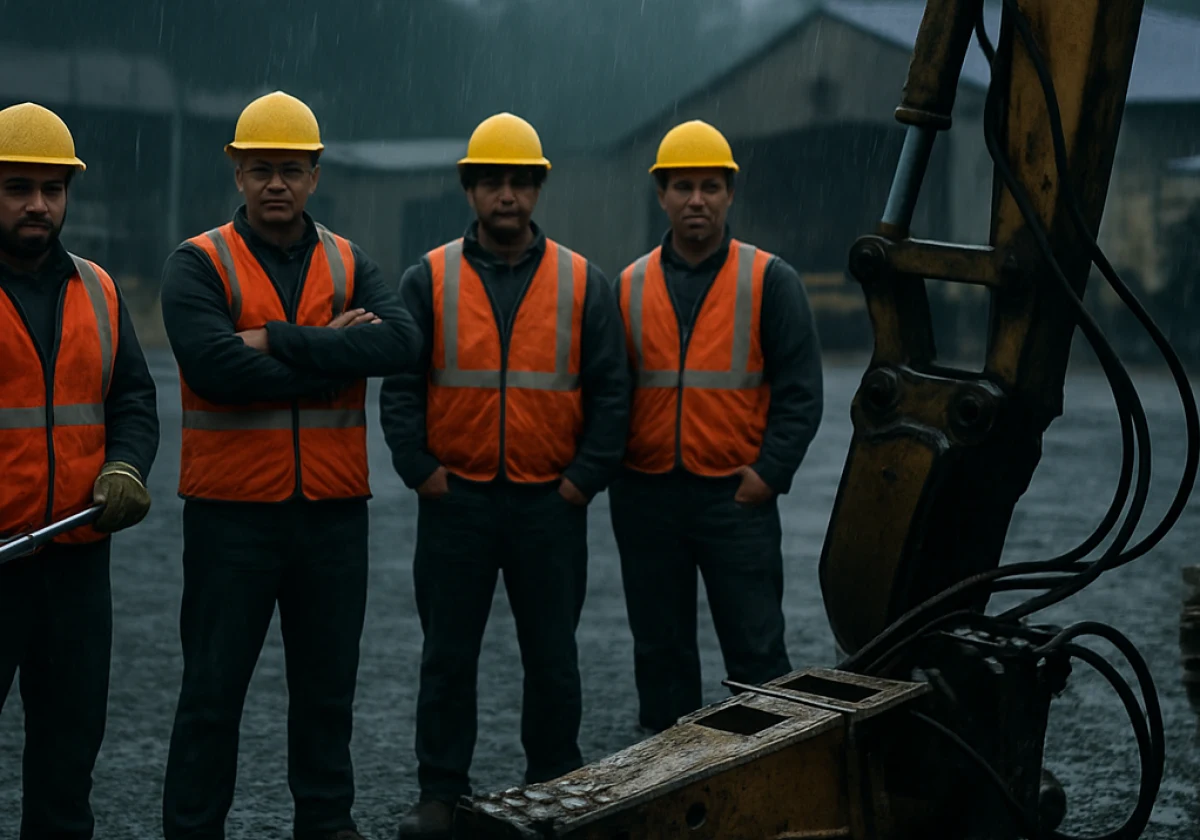
Picture a demolition job where the hammer bracket fits, but the hydraulic couplers don’t. Your operator drives back to the yard, your laborers sweep up, and your foreman rewrites the day. If you’ve watched that happen in the rain, you know how fast morale drops.
In fact, the U.S. Bureau of Labor Statistics measures construction labor productivity as output per hour worked. Idle hours sit inside that calculation, so every stalled afternoon pulls the number down for your company. Labor productivity in construction slips on the days nobody writes down as lost.
Across the sites we’ve worked at, the same few culprits show up: rented attachments, mixed-brand fleets, and parts ordered without a model number (yes, the model number really is that important). And the fix often starts small. Standardizing track size across the mini excavators does most of the work.
Budgets feel it next. Overtime covers the lost hours, the rental runs an extra day, and the margin on a construction project thins out.
Improving Construction Workflow with Compatible Equipment Choices
With those losses laid out, the payoff of compatible equipment shows up in smoother handoffs. That’s where improving construction productivity starts. Crews stop waiting on each other, and construction efficiency climbs without anyone working faster.
These are the ways to improve construction workflow that pay you back the quickest.
- Matched Hydraulic Flow: Check the flow rate and pressure an attachment needs before you buy it. Underpowered tools cycle slowly, and overpowered ones crack housings.
- One Weight Class Per Trailer: Machines in a similar size band share the same hauling setup and the same operator ticket. Transport costs drop, and scheduling gets simpler.
- Suppliers Who Stock Your Models: Buying from a supplier who carries your exact models cuts the wait between breakdown and repair. Orders by model number beat orders by description.
Pro tip: Write the model numbers of your most-used attachments onto the purchase order checklist. Cheap habits like that improve construction productivity, because they catch mismatches before the money leaves your account.
Technology Fit: Measuring Construction Productivity from Machine Data
Once your machines work together, the next step is making sure your technology does too. Telematics, GPS, and scheduling software all read data from the same machines. These construction technologies only pay off when they share one format.
The table below pairs three fit problems with what solving them gives you. Every row is a check to run before you buy software that claims to measure construction productivity.
| Technology Layer | Compatibility Check | What You Gain |
|---|---|---|
| Telematics | One data format across brands | Fuel and hours in a single report |
| GPS Grade Control | Base station matches machine receivers | Fewer rework passes on the construction site |
| Scheduling Software | Machine data imports without retyping | Same-day updates for the crew |
Software fit influences office efficiency the same way attachment fit influences crew efficiency. Before committing to a platform, ask vendors for case studies from contractors already running your brands (the honest ones send them without a sales pitch attached). Reliable construction productivity tracking depends on that kind of evidence, not on a polished demo.
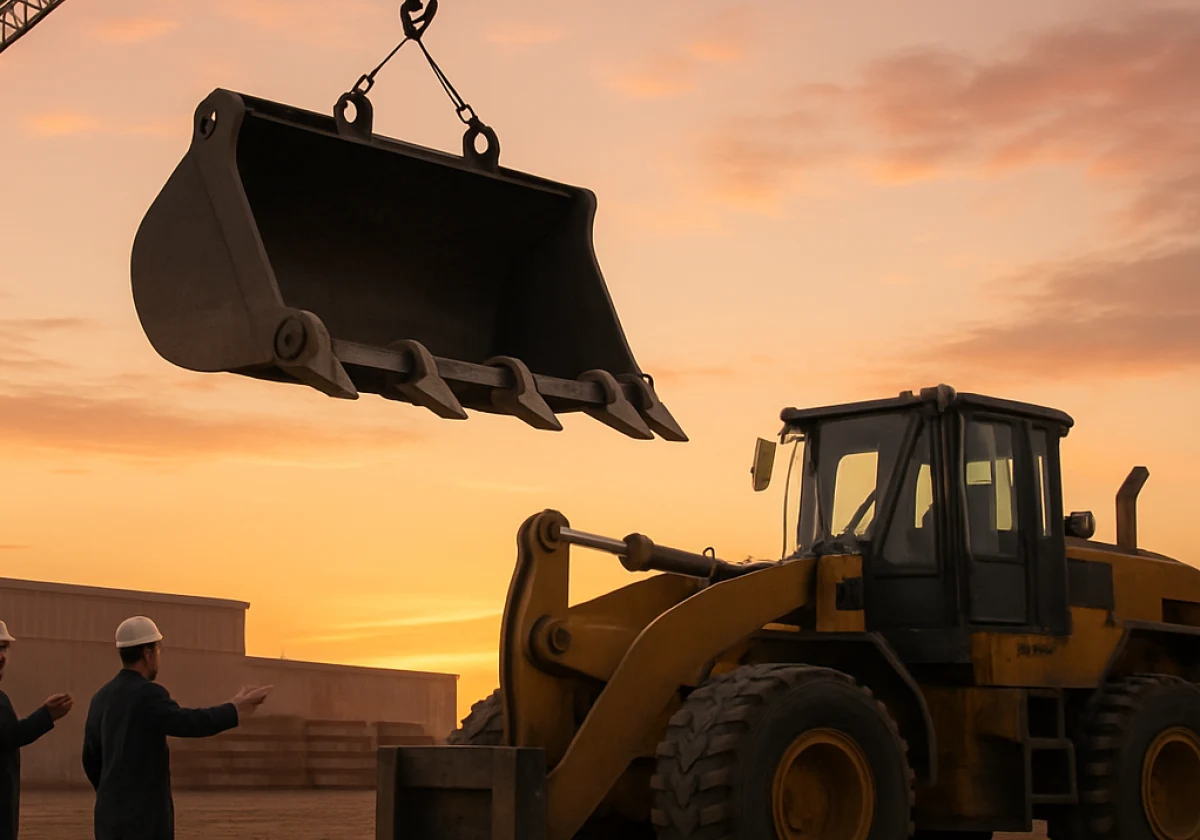
Build a Fleet That Works as One Team
Compatibility isn’t a purchasing detail you settle after the fact. It decides how many working hours your crews get out of each shift on site.
Start with the machines you already own. Map which attachments, tracks, and parts they share, then buy toward that list instead of away from it.
Bites Off Broadway supplies excavator trucks, rubber tracks, and undercarriage parts for contractors across New York. Contact the team to match parts to your fleet and keep your machines running together.