
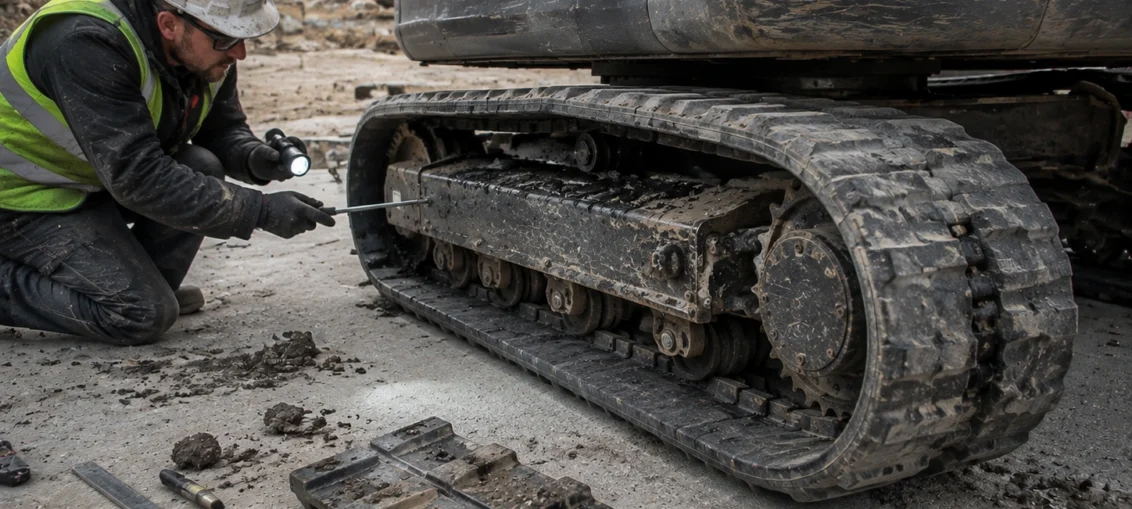
The ground under your machine decides how fast your rubber tracks wear out. Concrete, mud, and rock each affect rubber tracks differently, and repeated exposure can shorten their lifespan on demanding job sites. Many operators don't realise it until repairs or replacements become unavoidable. For contractors running mini excavators across New York, ground conditions change block by block. A morning pour in Port Morris feels nothing like an afternoon dig in a muddy lot in Sunset Park. Each surface puts different stress on your tracks, and that wear builds up over time. This article explains how ground types damage rubber tracks, early wear signs, and choosing and maintaining the right tracks for your terrain. Read on, and you'll have a clearer picture
Heavy Equipment
How Weather Conditions Quietly Affect Heavy Equipment Wear
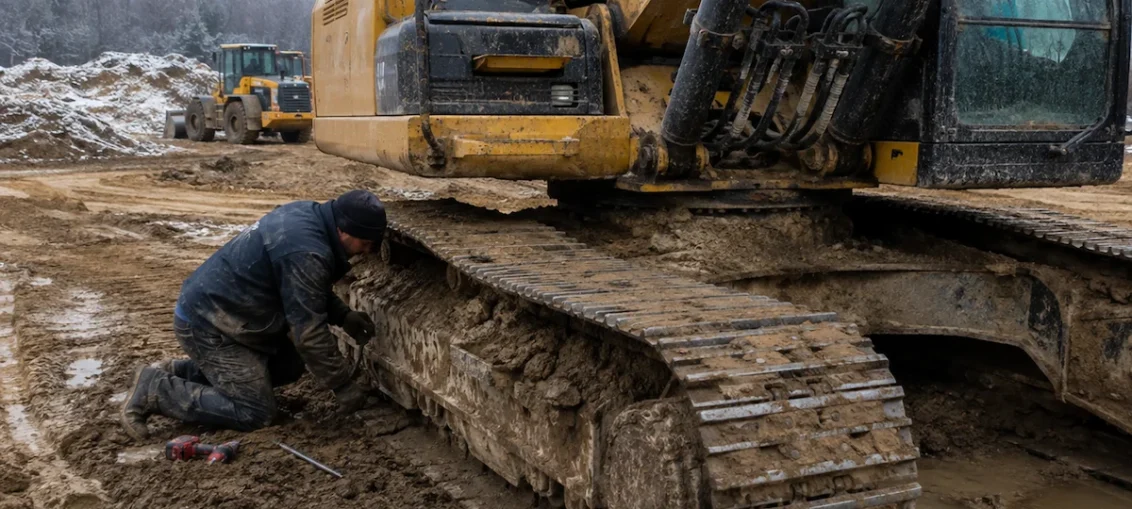
Weather conditions accelerate heavy equipment wear by increasing corrosion, straining hydraulic systems, and breaking down rubber components. Yet most crews only focus on operating hours and the loads their machines carry during inspections. In practice, rain packs mud into joints while summer heat thins fluids and clogs filters. And cold mornings stiffen rubber tracks before the first bucket drops. Each season hits different components, so your inspection priorities should change with the weather. In this article, you'll learn: How each weather condition affects your heavy equipment Which components take the hardest hit What maintenance checks to run before it costs you thousands Let's get started. Rain, Mud, and Rust: How Wet Conditions Break Down Construction Equipment Wet conditions are one of the quickest ways to shorten the life