
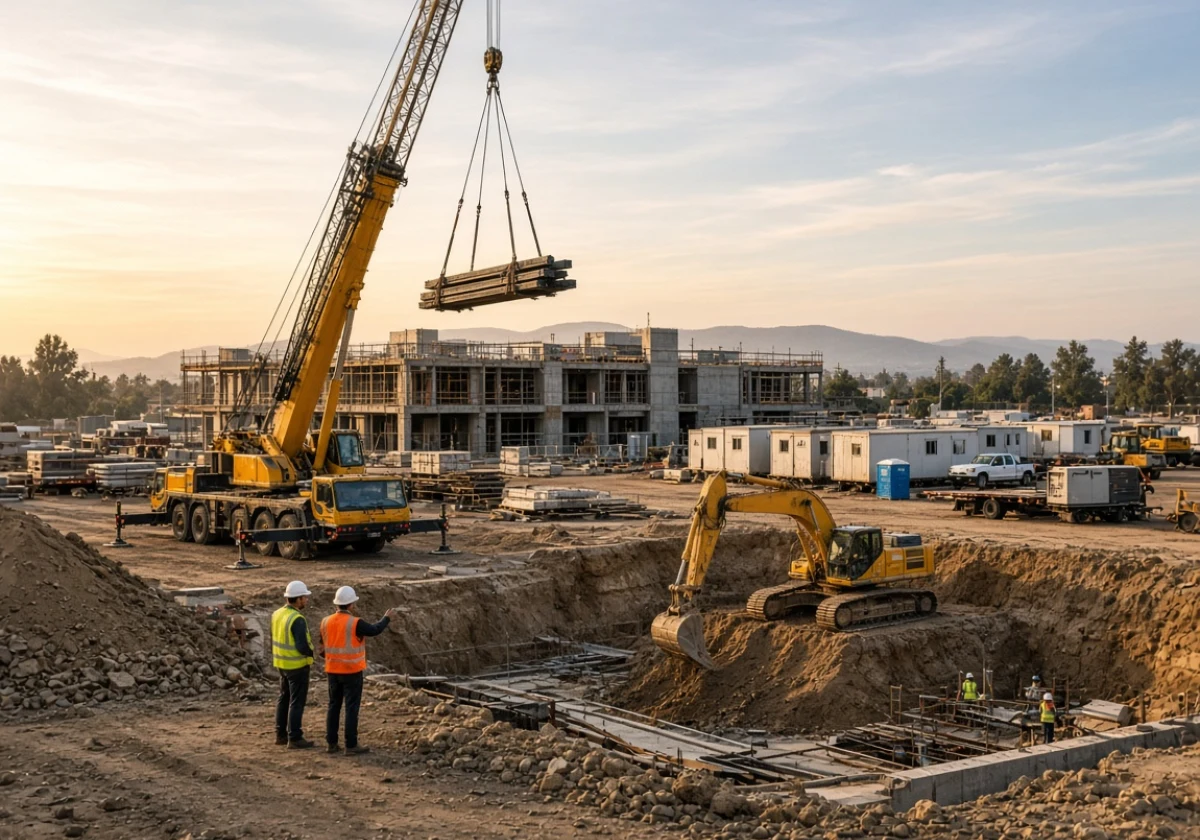
Planning equipment costs before a construction project starts means pricing every machine, rent or buy, inside your budget first. That one habit decides whether your excavator stays a planned line item or lands later as a surprise invoice.
But most crews price materials and labor with care, then guess at machinery. The guess usually lands low, because fuel, hauling, and operator hours hide behind the headline rental rate.
This guide breaks down where machinery sits among construction project costs, when renting beats buying, and how to build an estimate that holds. You’ll also see the weekly checks that keep spending honest after work starts.
Equipment Budgeting Influences Every Construction Project Budget
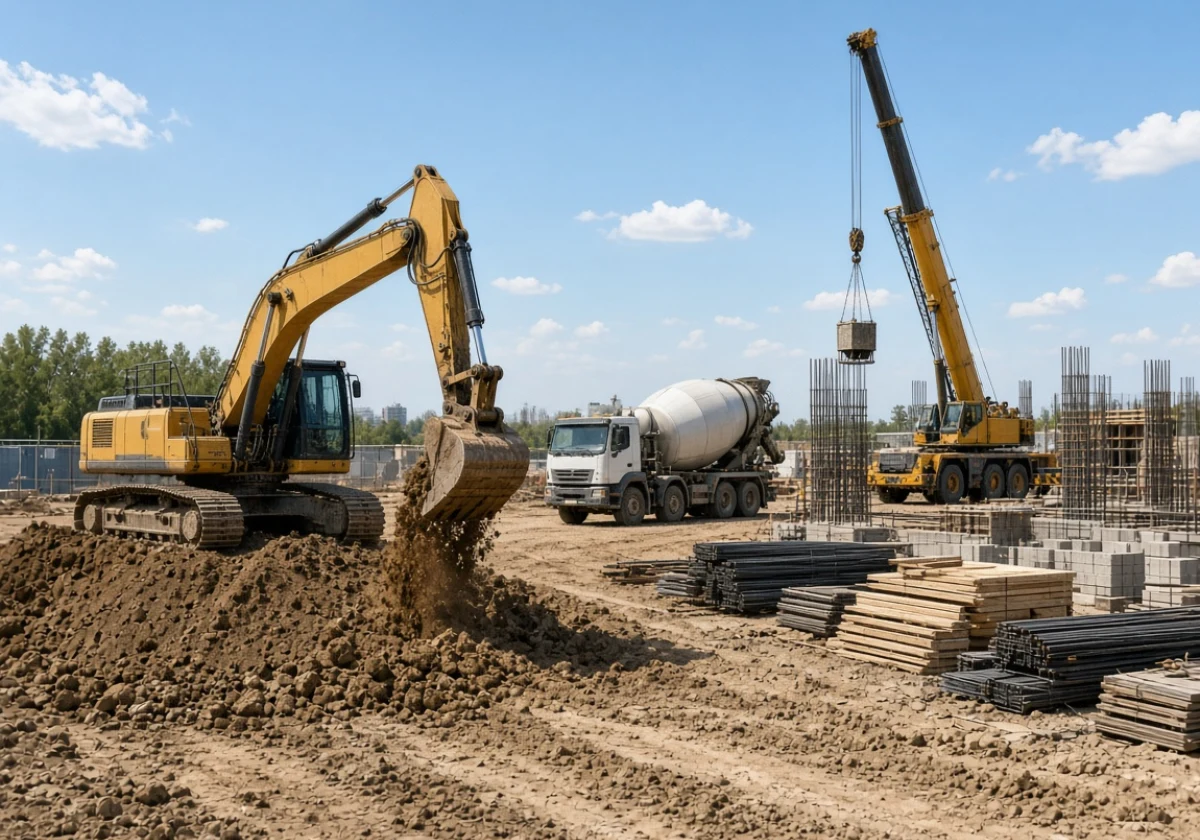
Most budget overruns trace back to machinery expenses nobody priced before breaking ground. McKinsey puts large projects at up to 80% over budget. You’ve probably felt that pinch, because equipment stays invisible until the crane arrives and the invoice follows.
The three parts below show where machines sit in your cost structure, how they compare against bigger line items, and which fees slip past estimates.
How Machinery Expenses Fit Among the Main Cost Categories
Every construction cost breakdown starts with labor, materials, and equipment. These expenses fall into two groups, direct costs and indirect costs, and machinery can contribute to both.
Because equipment costs are spread across these categories, it’s easy to underestimate how much machinery really costs. Contractors may record the daily hire rate but overlook related expenses such as insurance, storage, and workshop time.
Listing equipment as a separate cost category keeps these expenses visible. It also makes construction cost estimates more accurate by separating machinery costs from general overheads. This leaves your contingency fund available for unexpected expenses.
Where Equipment Sits Next to Material and Labor Costs
Labor and materials usually account for the largest share of construction costs, with equipment coming third. However, machinery costs can rise quickly when a project falls behind schedule, especially when hired equipment sits idle.
Even when work stops, rental charges often continue each day. This means your crew could be waiting for the next task while the equipment hire bill keeps growing.
To avoid these extra costs, teams need to plan equipment hire around the construction schedule rather than individual tasks. In our experience, this approach keeps estimates accurate and makes equipment budgeting part of the overall construction plan instead of an afterthought.
The Hidden Fees: Fuel, Transport, and Maintenance
Fuel, delivery, and repairs can add significantly to equipment costs, yet construction estimates often overlook these expenses. Operator hours can also increase the total, especially when rental quotes exclude them.
Transport is one cost to check early because a lowboy truck may charge for both delivery and collection. Fuel adds another variable, as longer operating hours increase consumption and changes in diesel prices can push excavation costs beyond the original estimate.
For equipment you own, maintenance brings its own ongoing expenses. Filters, grease, and tire repairs need regular attention, even when a loader stays parked in your yard. Including these costs in your estimate helps you account for the full cost of using and maintaining your machinery.
Should You Rent or Buy Construction Equipment for the Job?
Renting heavy equipment usually makes sense for short-term or one-off jobs, while buying can be more cost-effective when you need the same machine across multiple projects. The best option depends on how often you use the equipment and what work you have planned.
Compare the trade-offs below before you commit capital.
| Factor | Renting | Buying |
|---|---|---|
| Best fit | Short jobs and specialty machines | Daily-use machines across projects |
| Upfront cost | Deposit plus a daily or weekly rate | Purchase price or finance payments |
| Upkeep | Rental company services the machine | You cover parts, repairs, and storage |
Your past equipment use can help you decide which option offers better value. Check how many days you used each machine last year, then compare those figures with your upcoming projects. If you needed a loader most weeks, buying one could cost less over time than repeatedly paying hire fees.
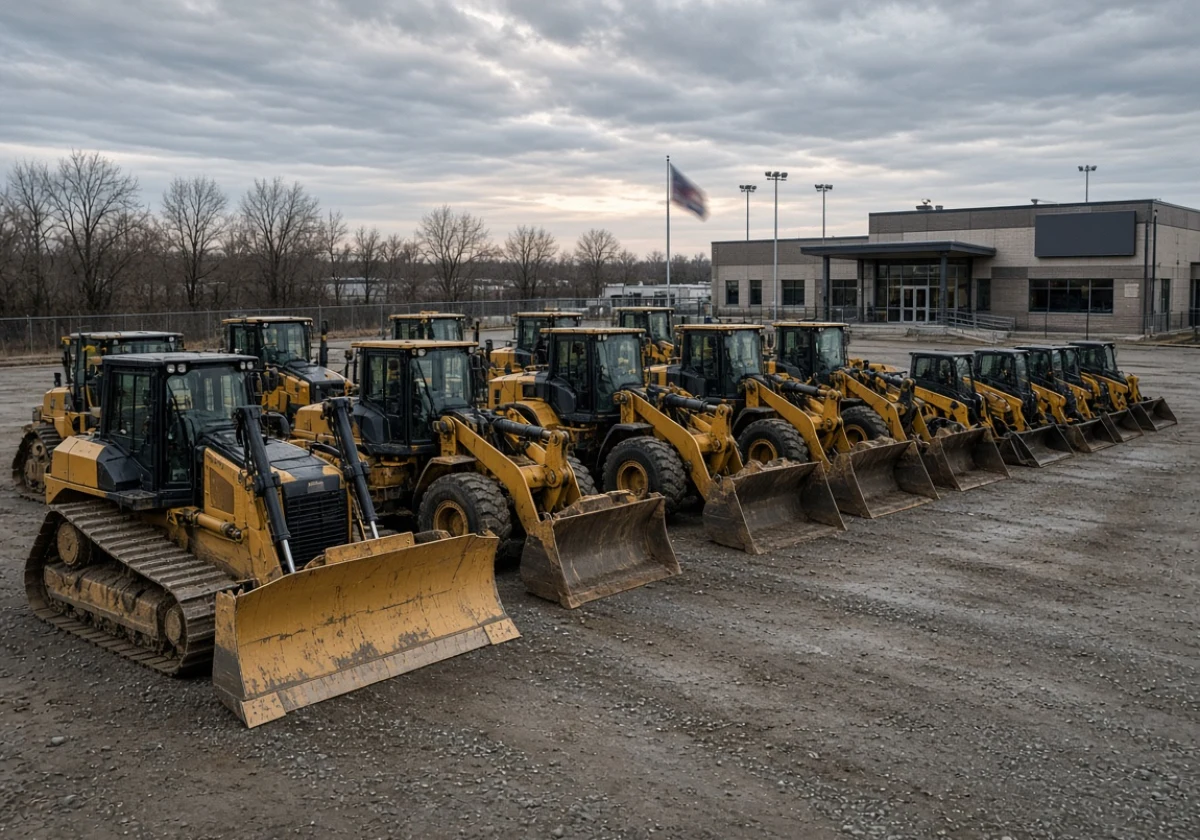
Build an Accurate Construction Cost Estimate Before Work Begins
A good equipment estimate protects your contingency fund from unexpected costs during the first month of a project. To keep the budget accurate, start with a clear project scope that lists every machine you need, including smaller equipment like compactors that are easy to overlook.
Run through these checks before you sign a rental agreement:
Machine Days Per Task: Work out how many days each machine will be needed, including any time spent idle. Rental fees can continue during downtime, increasing the total cost.
Delivery and Pickup Fees: Transport charges often sit outside the daily rate. Get the full round-trip cost in writing before the machine leaves the yard.
Operator Wages and Fuel: Planned working hours help you estimate these expenses more accurately. Both operator pay and fuel consumption affect the final cost of running each machine.
After adding these expenses, record them in an estimate your site team can update each week. Regular updates help you compare equipment spending with the project budget and spot unexpected costs early.
By checking estimated expenses against actual machine hours, you can also make more accurate estimates for future projects.
Cost Control: Keeping Construction Project Costs on Track After Kickoff
Once your estimate is ready, review machinery costs every week to keep your construction budget on track. A monthly review may reveal overspending only after you’ve already paid for it, leaving less time to correct the problem.
To catch these issues early, assign one person to record machine hours and track equipment spending. On a small site, you can manage this yourself using a shared spreadsheet, while larger projects may benefit from construction project management software.
With those records in place, you can compare actual machine hours with your original schedule. For example, if a machine runs three days longer than planned by the second week, it could signal a delay in the work sequence. Spotting the problem early gives you time to adjust the schedule before rental costs rise further.
Changes to the project scope also need careful tracking because extra work often increases both material and equipment costs. When a client requests an addition, price the extra construction materials and machine hours before work begins. This keeps the revised budget accurate and prevents unexpected expenses.
Remember that rental rates vary across the United States, so last year’s figures may not reflect current costs. We’ve watched budgets hold on jobs in the construction industry where someone compares planned machine days against actual ones every Friday.
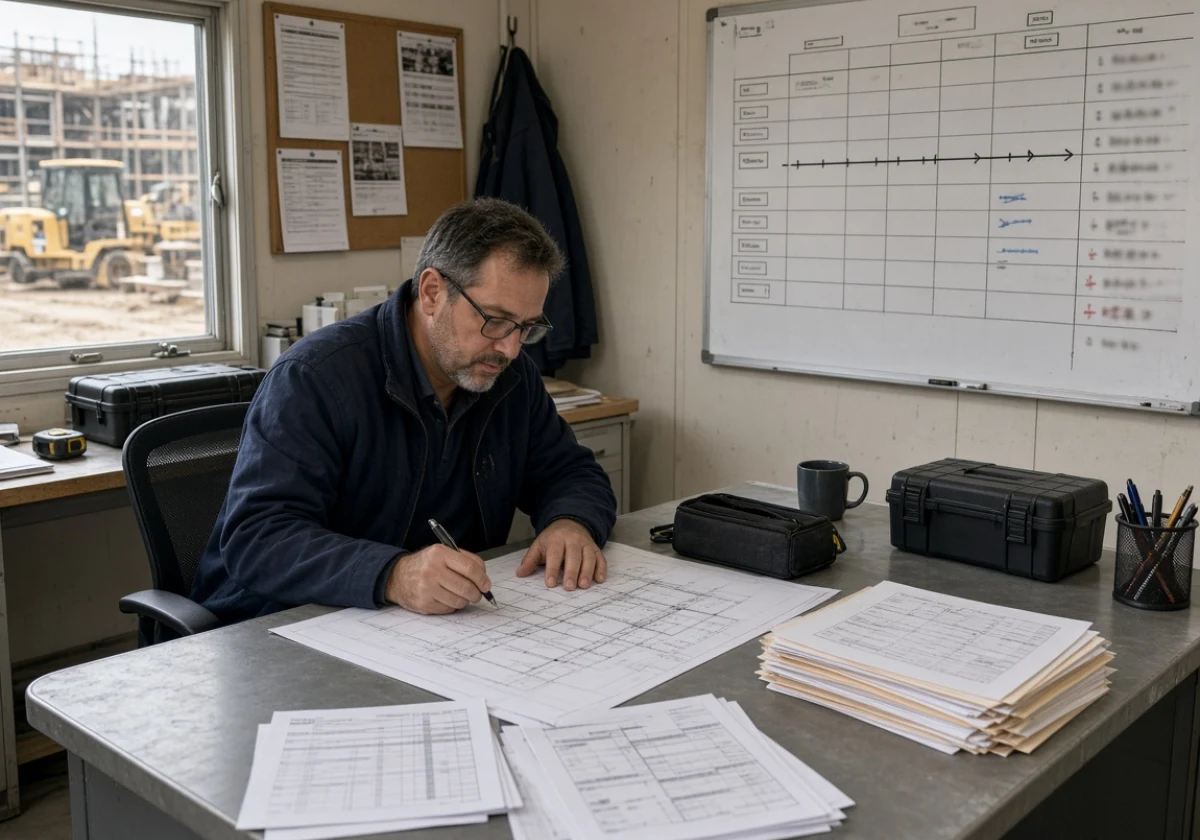
Start Your Next Project With Equipment Costs Locked In
Equipment pricing decides whether a construction project finishes near its number or past it. Machines you price early stop being the line item that breaks the budget.
So pull your machine list together before the first load of material arrives. An afternoon with the schedule and a few rental quotes saves weeks of budget repair later.
Bites Off Broadway shares practical planning guidance for anyone running a build. Contact us for help sizing your equipment estimate.