
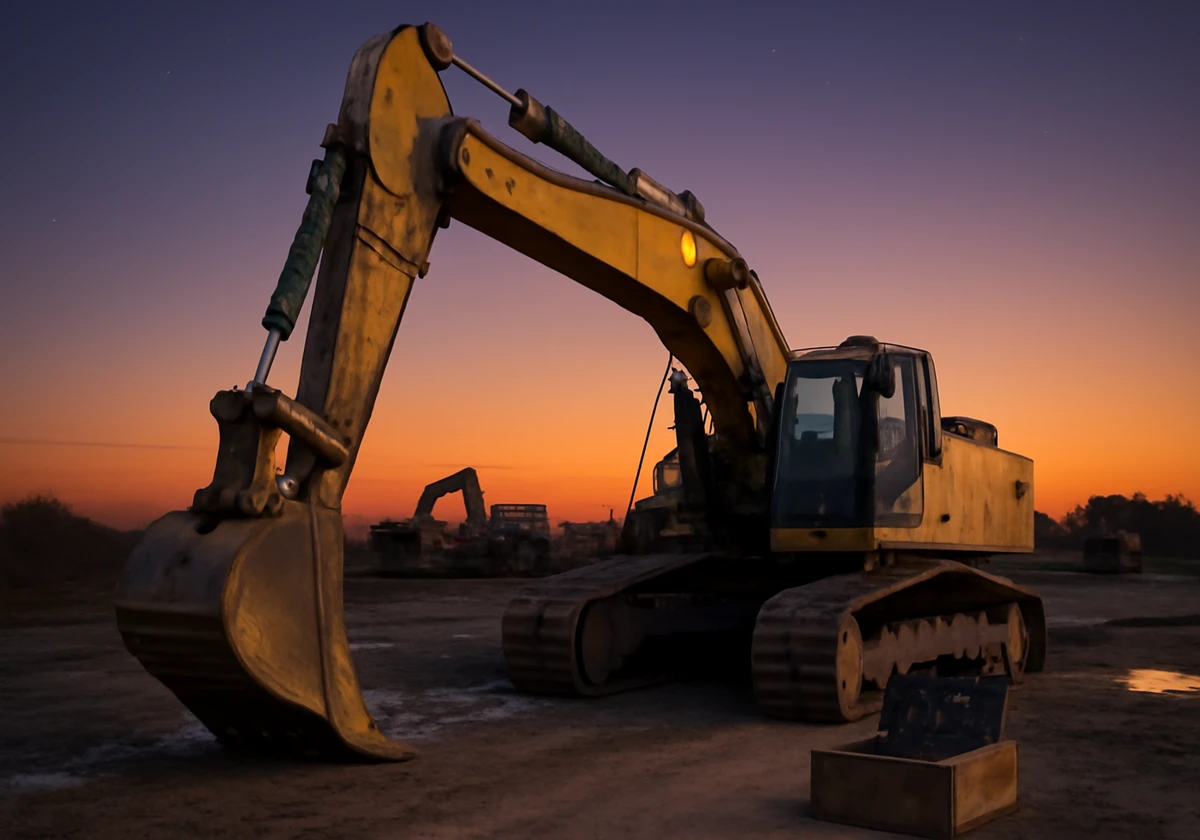
Ever had an excavator die mid-project because someone forgot to check the hydraulic fluid? We’ve all been there. Equipment breakdowns derail entire job schedules, rack up rental fees, and leave your crew standing around on the clock.
But the good news is, you can prevent most breakdowns with the right maintenance checklist. As a construction equipment supplier, we’ve seen too many companies learn this lesson the hard way. That’s why we created this comprehensive guide for 2026.
In this guide, we’ll share practical maintenance strategies. You’ll get to learn:
- Three types of machinery maintenance
- Real costs of unplanned downtime
- Daily, weekly, and monthly checklists
- Common maintenance mistakes
- Ways to improve your program
Ready to stop throwing money at emergency repairs? Let’s dive in.
What Is Machinery Maintenance?
Machinery maintenance is the regular upkeep of industrial equipment to help prevent breakdowns and keep operations running. It keeps mechanical assets functioning smoothly through regular inspections, repairs, and part replacements.
The process covers routine checks, lubrication of moving components, and fixing worn parts before they fail. When you maintain equipment properly, it stays in working order and helps you avoid the kind of costly breakdowns that shut down entire job sites for days.
What Are the Different Types of Machine Maintenance?
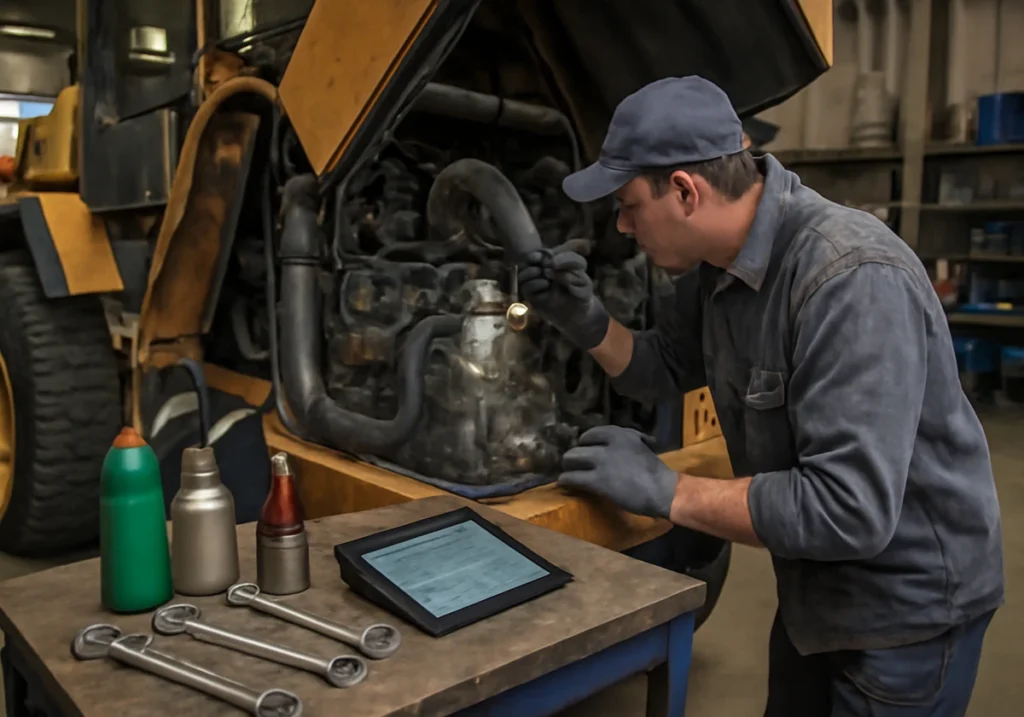
The best part about understanding maintenance types is that you can pick the strategy that saves the most money. There are three main approaches: preventive, predictive, and reactive maintenance.
When you understand how each one works, you can match the right strategy to your equipment and budget. So let’s break down each type:
Preventive Maintenance
Preventive maintenance stops problems early by servicing equipment on a fixed schedule. Instead of waiting for something to break, you perform regularly scheduled service based on time or usage.
For instance, usage-based preventive maintenance tracks engine hours rather than calendar dates, which gives you a more accurate picture of wear. This is especially important because routine maintenance reduces emergency repairs and extends machine lifespan.
Predictive Maintenance
Research shows predictive maintenance can reduce downtime by 30-50% in manufacturing facilities. This approach uses sensors and real-time monitoring to detect issues like vibration changes and temperature spikes early, before they cause breakdowns.
Also, machine learning and artificial intelligence analyze data to predict equipment failures. But this works only if you have accurate data from your machines to schedule maintenance work at exactly the right time.
Helpful Tip: Start with your most critical equipment first when testing predictive maintenance technology.
Reactive Maintenance
One of the fastest ways to increase repair bills is to wait until the equipment breaks completely. And that’s what reactive maintenance is all about. It happens after a machine breaks down and needs immediate repair.
The fix-it-when-it-fails approach causes unexpected downtime and higher costs. That’s why most facilities avoid reactive strategies and plan maintenance ahead of time to keep projects on schedule.
Now that you understand the three maintenance types, let’s look at what unplanned downtime actually costs your business.
What Does Machinery Maintenance Cost Without a Plan?
The cost of unplanned downtime can range from hundreds to thousands of dollars per hour, depending on your equipment type and project scale
No, we’re not exaggerating; when equipment fails unexpectedly, construction companies lose money fast. Emergency repairs eat up more of your budget than scheduled maintenance ever would, and they kill your productivity at the worst possible times.
But the things is, equipment failure damages your company’s reputation with clients who are counting on you to finish on time. One breakdown can cost you future contracts (and good luck explaining to an angry client why their excavator decided to take an unscheduled vacation.)
What Should Be on Your Machinery Maintenance Checklist?
A solid maintenance checklist covers daily inspections, weekly service tasks, monthly intervals, and proper documentation. When you break maintenance into manageable pieces, nothing gets overlooked.
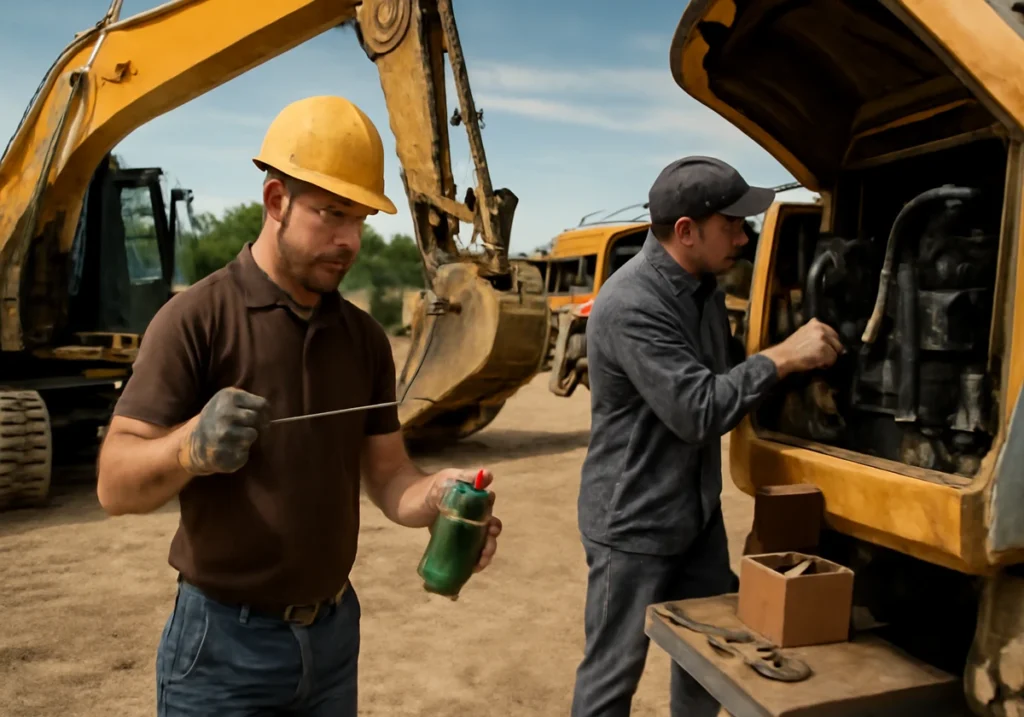
Here’s what you need to check at each interval:
Daily Inspection Tasks
The easiest way to prevent expensive repairs is catching small problems during daily walkarounds.
Before you start work each day, check fluid levels in heavy equipment like excavators. Keep oil, coolant, and hydraulic fluid at proper levels. Your operators should also perform quick checks on brakes, lights, and hydraulic systems to make sure everything’s working right.
We recommend adopting this simple habit: walk around your equipment to spot leaks, cracks, or loose parts before you fire it up. It takes less than five minutes but can prevent thousands in repair bills.
Weekly Maintenance Requirements
While daily checks cover basics, weekly tasks maintain your equipment between major service intervals. Once a week, do these checks to keep the machine working smoothly:
- Inspect replacement parts like filters, belts, and worn components for damage.
- Keep spare parts from manufacturers on hand to cut downtime during repairs.
- Lubricate moving parts and replace engine parts according to manufacturer specifications.
Monthly Service Intervals
Monthly maintenance targets wear-prone components like undercarriages, hydraulics, and drive systems. Follow these monthly tasks to keep everything running:
- Undercarriage Inspection: For wear and damage, inspect undercarriage components and final drives on tracked excavators.
- Hydraulic System Check: Check hydraulic pumps, hoses, and cylinders for leaks during these monthly sessions.
- Track Maintenance: Your routine should include cleaning and adjusting tracks on construction machinery to prevent premature failure that could sideline your equipment for days.
Maintenance Records and Documentation
Did you know proper maintenance records can protect warranty claims and increase equipment resale value?
Accurate data like these help identify patterns and determine when assets need service. So document all the parts replaced and maintenance performed to protect warranty coverage. Digital records also let teams review equipment history and plan future maintenance without digging through filing cabinets.
After you’ve got your checklist locked down, it’s time to look at the mistakes that derail even the best maintenance plans.
What Are Common Machinery Maintenance Mistakes?
Skipped inspections, cheap replacement parts, and ignored warnings are common machinery maintenance mistakes. These errors cost construction companies thousands in emergency repairs and lost productivity.
Avoid these three costly errors:
- Skipped Inspections
When you skip inspections, small problems become expensive equipment failures and production delays. If you don’t follow a regular condition-based maintenance schedule, equipment wear accelerates.
That’s why you should try to schedule regular checks like clockwork. You don’t have to pay for catastrophic breakdowns when a simple inspection could have caught the issue early.
- Cheap Replacement Parts
Low-quality aftermarket parts often fail faster than original equipment manufacturer components and void warranties. The reason is that manufacturers produce them to lower tolerances and use inferior materials. So what seems like a bargain upfront ends up costing you more when the part fails in six months instead of lasting years.
While cheap parts cause more downtime, quality parts protect your warranty coverage and last longer. Unless you enjoy emergency repairs, stick with Original Equipment Manufacturer (OEM) parts.
- Ignored Operator Warnings
Operators are the first to notice strange sounds, vibrations, or performance drops in equipment. So make it easy for them to report problems and advise them to speak up the moment something feels off. Otherwise, maintenance technicians miss critical signs until it’s too late.
Helpful Tip: Create a simple reporting system where operators can flag problems instantly via text or app.
How Can Maintenance Technicians Improve Machine Maintenance?
Maintenance technicians can improve results by training operators, using digital tracking, and monitoring engine hours. If you follow these strategies, you can catch problems earlier and reduce emergency repairs.
Here’s how to improve your maintenance routine:
Operator Training Programs
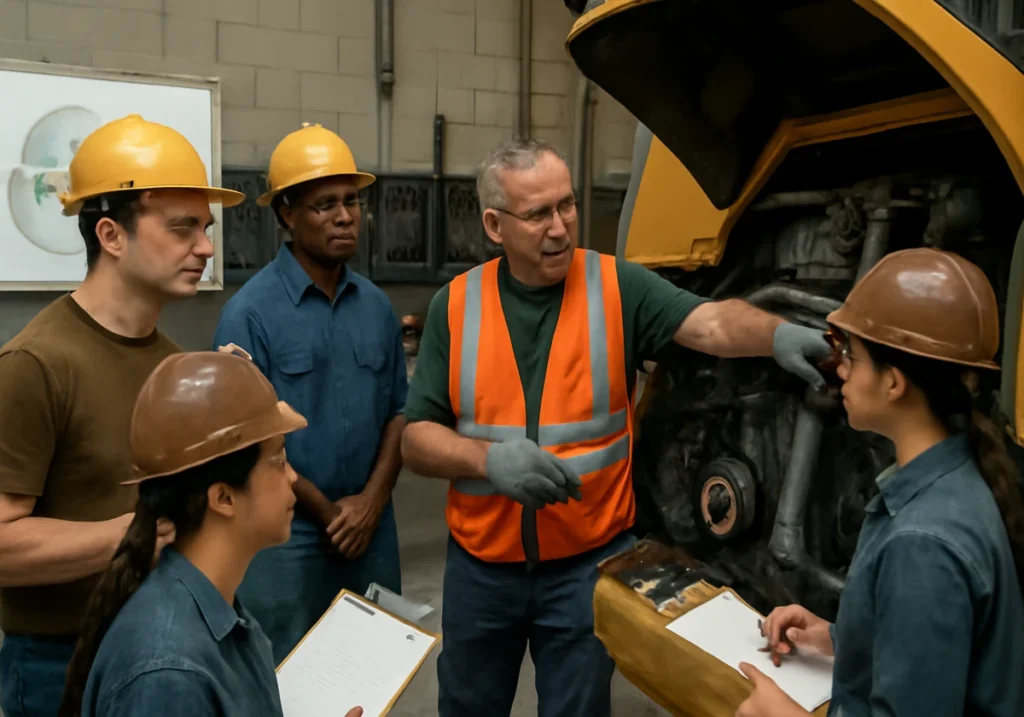
What’s the easiest way to catch equipment problems before they become expensive emergencies? Well, it starts with proper operator training.
After you teach your teams to perform basic maintenance, you’ll see cuts in downtime, losses, and repair costs. Plus, proper training helps operators develop good practices and spot problems early.
When you improve machine maintenance by teaching teams how to spot early warning signs, every operator becomes an extra set of eyes on your equipment.
Digital Tracking Systems
Digital maintenance management systems automate scheduling, track costs, and provide real-time alerts for service needs. The best part is that these digital models streamline your entire maintenance process and give you real-time asset visibility across the fleet.
Based on our experience, software resources help your teams focus on critical maintenance tasks instead of scrambling to remember what needs attention. Once you set it up, reliable tracking systems alert technicians when machines need service based on actual engine hours.
Keep Your Equipment Running in 2026
Equipment failures cost construction companies thousands per hour in lost productivity, emergency repairs, and rental fees. The right maintenance strategy catches problems early and extends equipment life while eliminating costly surprises.
We’ve covered the three maintenance types, true downtime costs, and a complete daily-weekly-monthly checklist. You also learned the most common mistakes and practical improvements for 2026.
Start with your daily walkarounds tomorrow and train your operators to spot warning signs. For more maintenance tips and construction insights, visit Bites Off Broadway.
Your equipment investment deserves protection, and your crew deserves reliable machines that work when needed.