
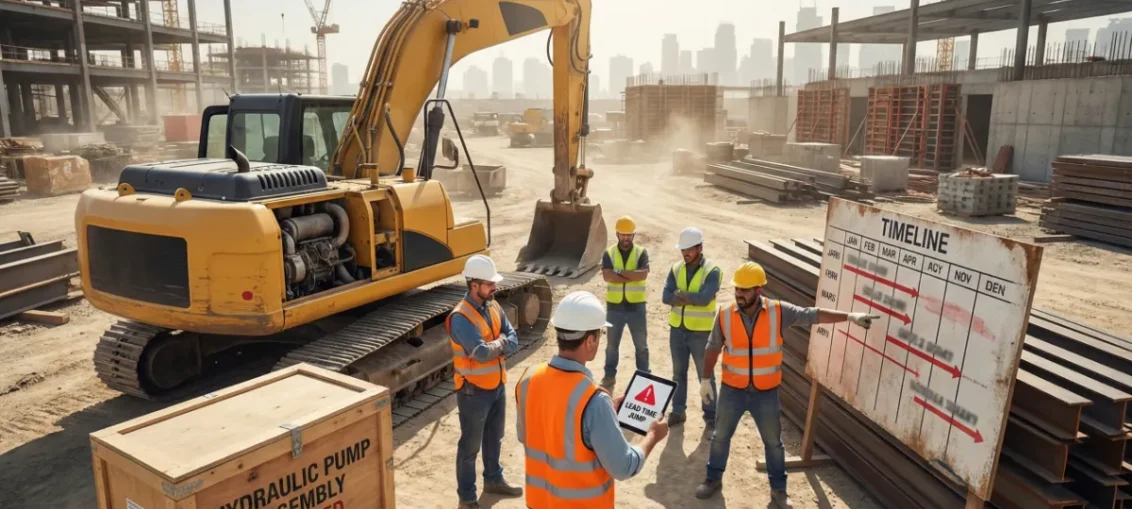
The parts shortage forced construction companies to completely rebuild their supply chains. Between 2020 and 2023, lead times jumped from weeks to months, costs skyrocketed, and projects stalled because of missing parts.
We’re Bites Off Broadway, and we supply top-quality equipment parts in New York. Over the last 30 years, we’ve witnessed how the entire parts industry has changed.
In this guide, we’ll cover:
- What initiated the equipment parts shortage
- Which parts are still hardest to get in 2026
- What the shortage actually cost construction companies
- How companies are avoiding future disruptions
Ready? Let’s begin.
What Caused the Equipment Parts Shortage?
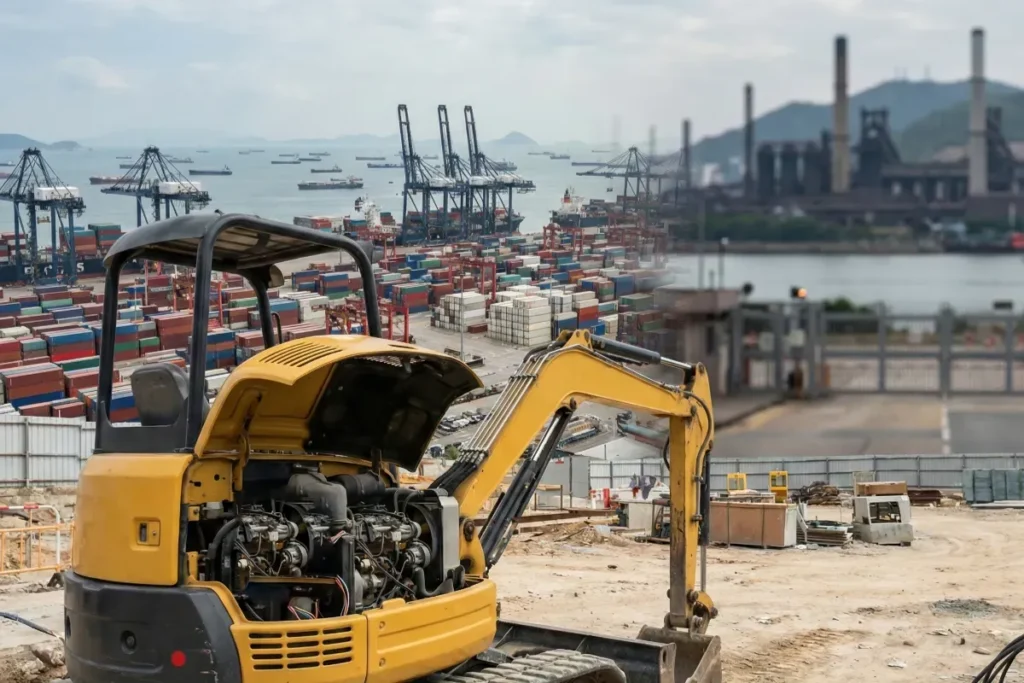
The equipment components shortage started in 2020 when COVID-19 shut down factories worldwide. Nobody anticipated how quickly the supply chain industry could collapse until that point.
How about we dig deeper into these shortage issues?
Factory Closures During COVID-19
As soon as the pandemic hit, manufacturing plants in China and across Asia shut down completely. We’re not talking about short weekend closures here. Facilities that produce most construction machinery parts were closed completely for weeks (or months).
Since global supply chains depend on these factories running uninterrupted, the pipeline dried up fast. Even when these factories finally reopened, workforce shortages kept them operating at possibly half capacity.
So, the pieces that used to be ready for shipment in a few weeks started taking months to arrive.
Semiconductor Production Collapse
Many people think semiconductor chips are only for phones and computer parts. In reality, companies also use them in engine sensors and control modules that modern gear needs to run.
Now, the automotive industry has procured most of the available semiconductors at the beginning of the shortage. It left construction equipment manufacturers fighting for leftovers. Even if a manufacturer had everything else lined up, they couldn’t finish machines without those chips.
In fact, some contractors ended up with brand-new machines sitting useless because they couldn’t find a single $50 sensor anywhere (it was a reality check on how fragile the system was).
Port Congestion and Container Costs
While manufacturers were trying to deal with the production issue, a new problem appeared: shipping and unloading. Ports in Los Angeles, New York, and other major hubs had container ships backed up for miles, just waiting to unload.
But that’s not all. The shipping charges increased, too, due to the logistics troubles. For instance, shipping a container overseas used to cost you $2,000 to $3,000. But during the pandemic, you had to pay $10,000 or more. That’s a 400% jump that made importing parts ridiculously expensive.
What’s worse, parts that made it onto ships sat at ports for weeks afterwards. So your excavator’s down; the component is technically “on the way”, but it’s stuck in a container two states over. Those kinds of delays shut down entire projects and made companies lose millions.
Pro tip: Ask your vendors about forecast-based discounts. Suppliers often cut costs if you provide quarterly usage forecasts that help them plan production.
Which Parts Are Hardest to Get in 2026?
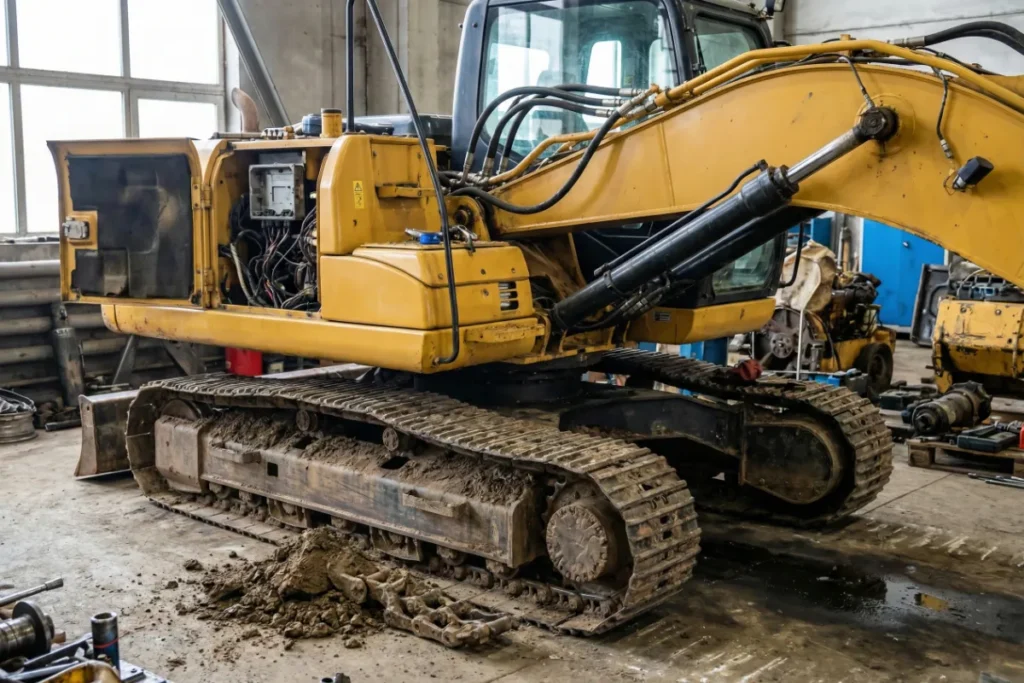
Rubber tracks, hydraulic systems, and electronic controls are still some of the hardest parts to get your hands on. They continue to frustrate contractors and equipment owners.
Here’s a detailed list of scarce parts:
- Rubber Tracks and Undercarriage Components: Tracks for excavators are still hard to source because the manufacturing process is so specific. That’s why rollers, idlers, and other undercarriage pieces have the longest wait times.
- Hydraulic Pumps and Cylinders: Hydraulics need precision manufacturing that most suppliers just can’t handle. So when pump shortages hit, entire assembly lines for wheel loaders grind to a halt. And aftermarket options? They’re still playing catch-up with OEM quality.
- Engine Sensors and Control Modules: The chip shortage isn’t over, which means it’s still tough to acquire electronic controls. Specifically, emissions sensors take even longer because they have to meet strict regulatory standards.
- Fuel Injectors and Engine Components: Replacement fuel injectors have become a waiting game for diesel machinery owners. Most of the injectors come from overseas, with lead times stretching 8 to 12 weeks now. Remember those sweet days when you could collect a component whenever you wanted? Yeah, they’re gone.
- Transmission Parts and Assemblies: You’ll have to wait months for a complete transmission or its internal components if you need your equipment back up and running. That’s because new components just aren’t making it to shelves, thanks to ongoing supply-chain bottlenecks.
Honestly, the industry deserves a medal just for surviving these delays.
What Did Parts Shortages Cost Construction Companies?
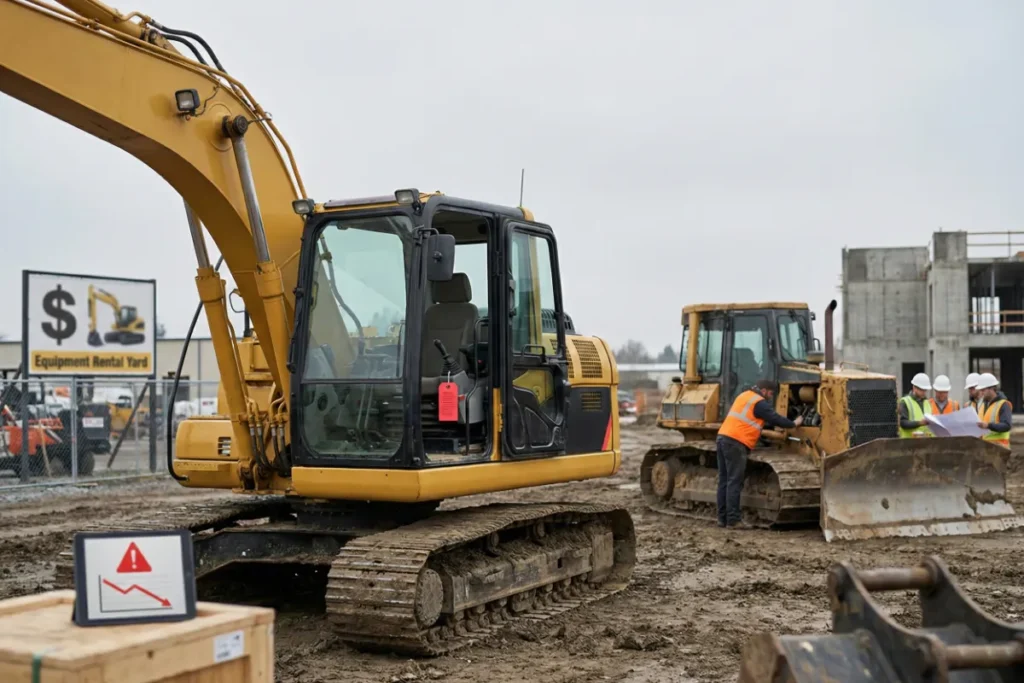
According to the Federal Reserve Bank of Atlanta, supply-chain disruptions accounted for roughly 40% of the increase in cost expectations. Namely, part shortages drove up rental rates, made equipment sit idle for days on end, and pushed maintenance budgets through the roof.
Let’s get into more detail about these costing issues.
Equipment Sitting Idle for Months
Did you know that contractors lost projects when excavators sat waiting for replacement parts? For example, one missing hydraulic cylinder could shut down a machine for 8 weeks or more. That’s two full months of zero productivity from machinery that costs six figures.
Not only that, but teams also had to work with older machinery that should’ve been out of service already. And when you’re running these machines past their usage limits, safety risks increase, and they collapse more often.
Emergency Rentals and Premium Pricing
As per CONEXPO-CON/AGG 365 in their article “Experts Answer: How Equipment Rental Trends Are Shaping Construction Costs”, construction equipment rental prices are up about 12% since the start of 2020. Also, the overall construction input prices jumped roughly 41% over the same period.
And in many markets, that increase came on top of decreasing rental fleets and longer wait times just to get a machine on site.
We’ve seen companies paying premium prices for used equipment to replace broken machines. The used gear market went crazy because everyone was desperate (looking back, those were some really shocking amounts).
And in terms of rentals, short-term hires became long-term solutions that drained your budgets fast. Like, you’d rent thinking it’s two weeks until your component arrives, then two weeks turn into two months, and so on.
Maintenance Budget Increases
Unfortunately, since companies had to extend equipment life beyond normal cycles, the repair became more regular and costlier. It happened in particular because machines that you should’ve replaced at 10,000 hours were being pushed to 15,000 or 20,000 hours.
The result was preventive maintenance, which became a top priority because a single failure could remove machinery from service for months. Contractors also adopted parts hoarding, and this approach gave them protection whenever suppliers finally received limited shipments.
Pro tip: Calculate the “cost per hour of delay” for each piece of equipment. This number helps justify stocking inventory or buying backup machines faster.
How Are Companies Avoiding Future Parts Shortages?
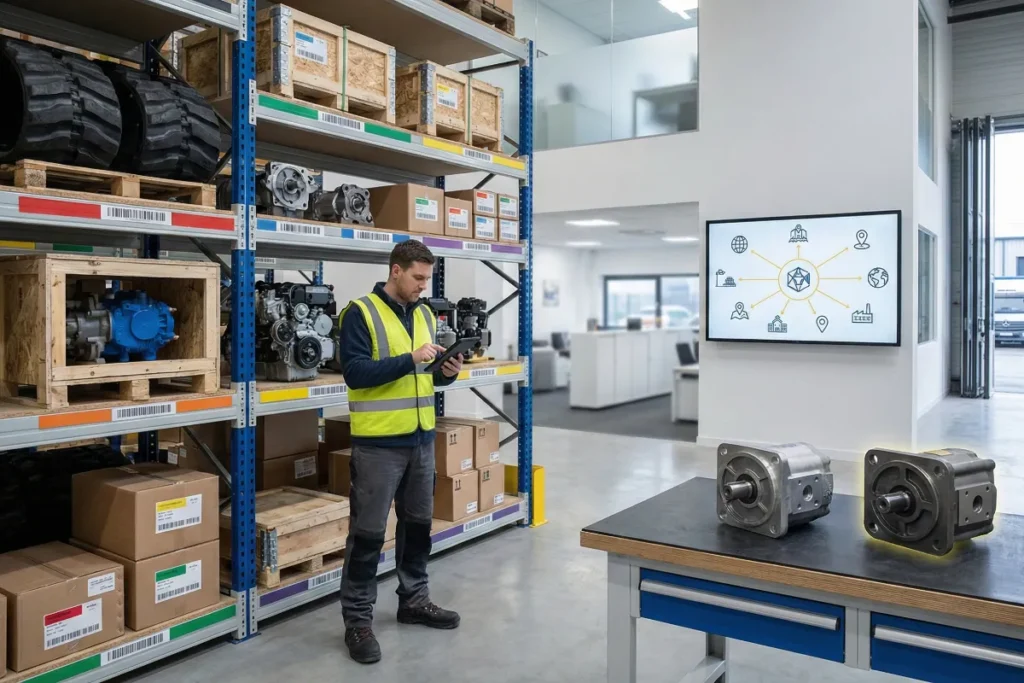
Construction companies are now using multi-supplier networks and keeping larger parts inventories as part of stronger supply chain management practices. These approaches protect you from the kind of disruptions we saw in 2020 and 2021.
The practices below help businesses strengthen their supply chain strategies:
- Multiple Supplier Relationships: Companies now work with 3 to 5 vendors instead of relying on one source. It means when a supplier can’t deliver, you have backups ready to collect your parts from. No need to scramble at the last minute.
- Aftermarket Parts Instead of OEM: Aftermarket options are usually faster than OEM wait times. Even better, quality aftermarket suppliers match OEM specs at lower costs. All in all, it’s a great alternative option.
- Regional Sourcing to Avoid Tariffs: Geopolitical tensions and tariffs are pushing companies toward local manufacturers right now. For instance, nearshoring reduces shipping costs and avoids unpredictable trade policy changes. Plus, regional suppliers ensure faster delivery and easier communication than dealing with overseas vendors.
- Larger Onsite Inventories: Contractors now stockpile tracks, hydraulic pumps, and other components onsite instead of ordering as needed. It costs more upfront to hold inventory, but you don’t have to deal with idle equipment for months.
The supply chain might still be messy, but businesses now know better how to handle these situations.
The Future of Heavy Equipment Parts Supply
The parts shortage that started in 2020 changed how construction companies buy and manage equipment parts forever. A lot of supply chain leaders admit that this issue changed the industry permanently.
But businesses that adapted early are already seeing the benefits, like shorter lead times and lower costs from dodging tariffs.
If you need rubber tracks, hydraulic components, or undercarriage systems, check out our selection or give us a call today. We’ve got the extensive inventory and expertise to keep your machines running.