
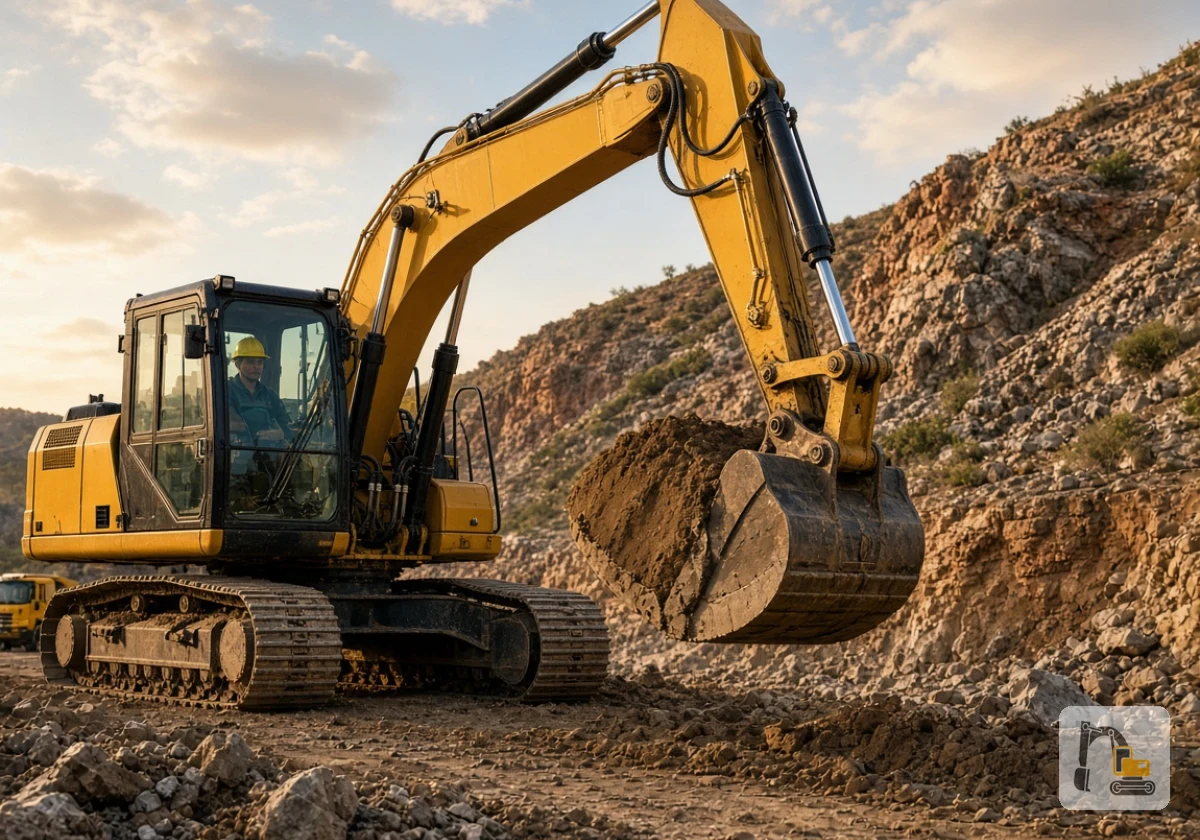
OEM vs. aftermarket excavator parts depends on the component you need and your job’s downtime limits. OEM parts come from the machine’s original manufacturer, while independent companies produce aftermarket parts to fit the same machines.
Bites Off Broadway has supplied construction and mining companies across New York with heavy-duty truck and excavator parts for years. Our team also helps customers find parts for their equipment and offers custom solutions through our licensed mechanics.
In this guide, you’ll compare OEM and aftermarket excavator parts by price, fit, wear life, warranty, and availability. These details will help you choose the right parts for your next repair.
Purchase Price: What OEM Excavator Parts and Aftermarket Excavator Parts Cost Up Front
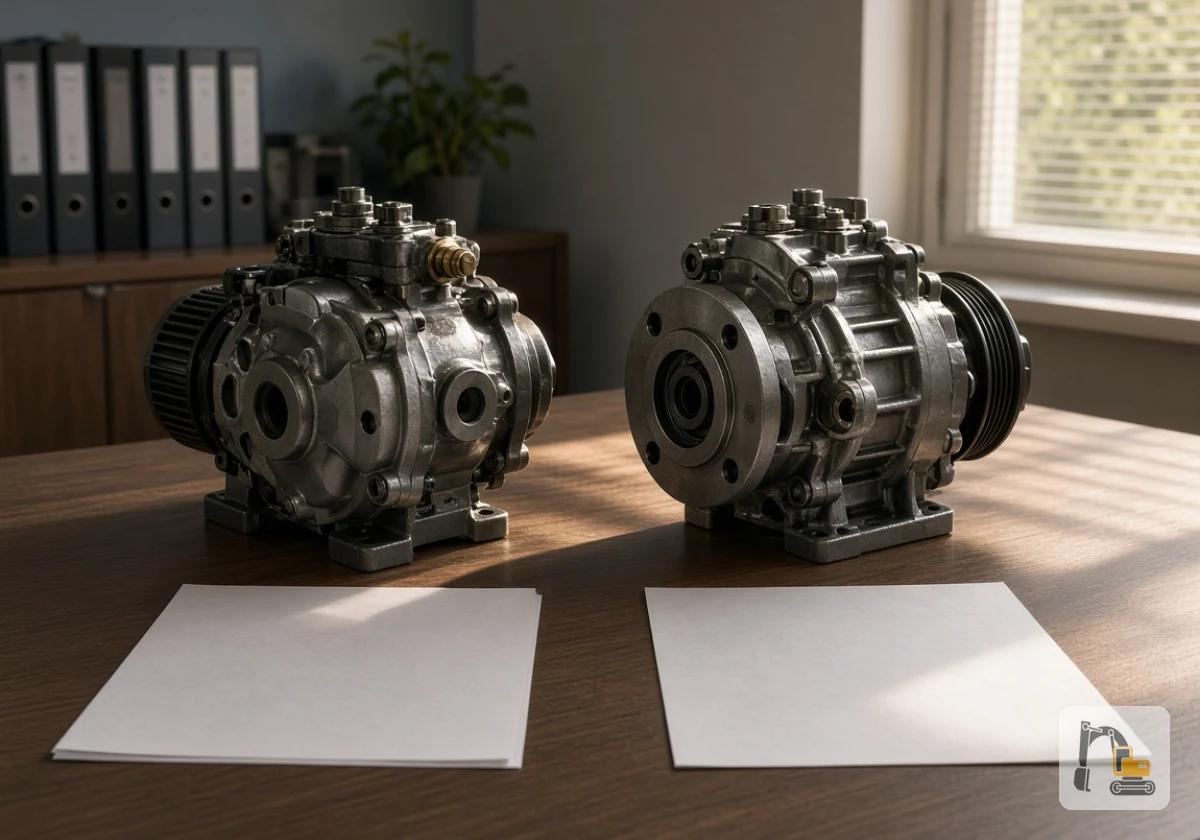
Price is often the first thing you’ll notice when comparing the two options. OEM excavator parts usually cost more because their prices include the manufacturer’s brand premium and dealer markup. Aftermarket parts often cost less because independent manufacturers don’t charge the same brand premium.
The table below shows what influences the price of each option:
| Comparison Point | OEM Excavator Parts | Aftermarket Excavator Parts |
|---|---|---|
| Who sets the price | The manufacturer sets list prices that brand dealers follow | Each maker and seller sets its own price |
| Spread between sellers | Small, since dealers quote from the same price list | Wide, since each maker uses its own steel, machining and origin |
| What the price covers | Factory part plus dealer warranty handling | The part itself, with support set by the seller |
The “what the price covers” row deserves close attention when you compare quotes. For example, a cheaper excavator pump might cost more if the price excludes installation support. So, check the full repair cost before choosing a supplier.
Our guide to why low-priced parts can cost more explains why the lowest quote doesn’t always mean the lowest total cost.
Do OEM Excavator Parts Fit and Last Longer Than Aftermarket Excavator Parts?
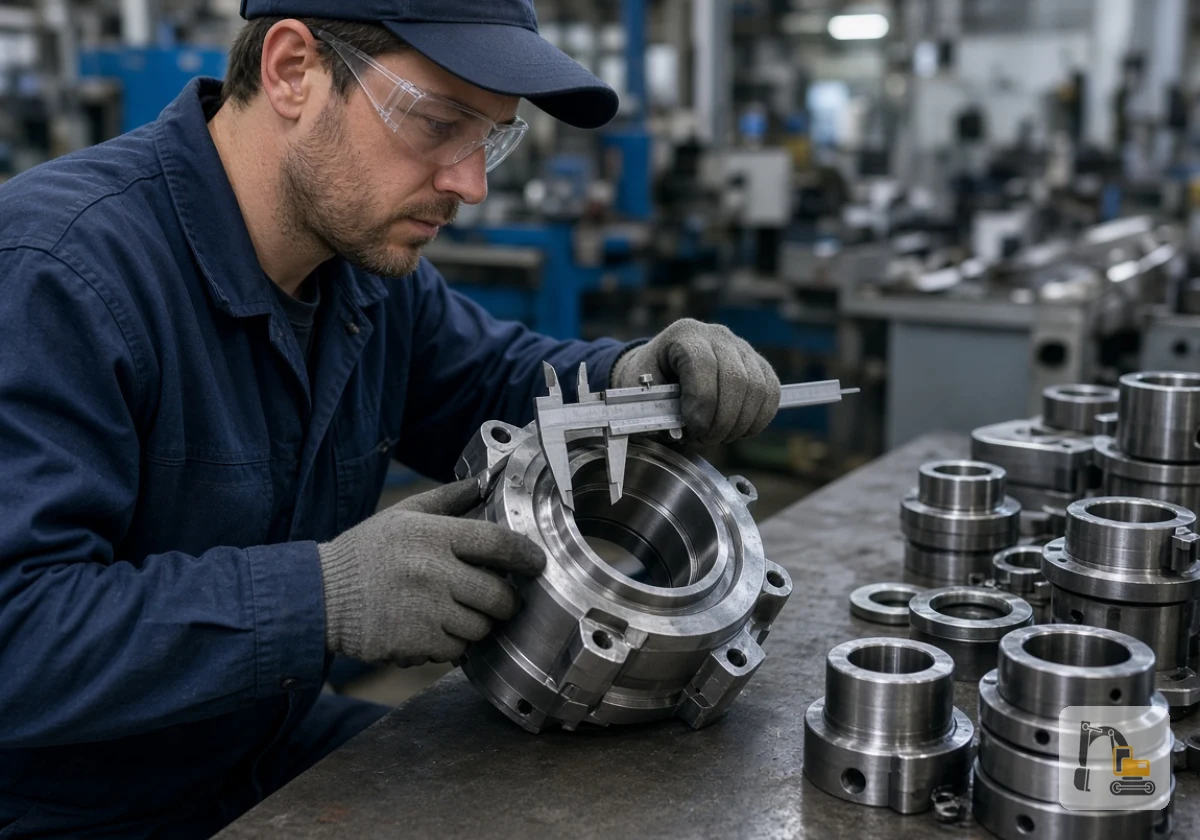
OEM excavator parts usually fit more consistently because they follow the machine maker’s designs. However, good aftermarket parts can fit just as well and last just as long. The final result depends on the manufacturer’s build quality and quality checks.
Three areas reveal how these differences can affect daily use.
Fit and Tolerances on Hydraulic Pumps and Engine Components
Hydraulic pumps and engine parts need precise dimensions to work properly. Even small size differences can cause leaks, heat buildup, or pressure loss. OEM parts follow the machine maker’s original designs, which helps them fit Caterpillar, Komatsu, and John Deere equipment.
That said, aftermarket excavator parts from a good manufacturer can meet the same size limits. Cheaper copies sometimes skip the final machining step, so rough pump bores wear seals faster (leaks around the shaft seal usually appear first).
Before ordering, ask the seller to confirm the part number and provide the material specifications. If they can’t provide both for a hydraulic pump, you should look for another supplier.
How Aftermarket Undercarriage Parts Compare on Wear Life
Excavator tracks, rollers, idlers, and sprockets wear down as they move over dirt and rocks. Their service life depends on the steel quality, hardness, and heat treatment.
High-quality aftermarket undercarriage parts use the same types of steel and heat treatments as OEM parts.
From our experience discussing equipment with operators, ground conditions also affect undercarriage wear more than the brand name on a part. For example, a crawler working in sand or broken rock wears its rollers much faster than one working on clay, regardless of the parts fitted.
That’s why you should check track pitch and roller wear at each service and record the machine’s hours. These records help you compare wear rates and see how well each set performs on your ground before your next purchase.
When Mixing OEM and Aftermarket Excavator Parts Causes Trouble
Problems can arise when you fit a new part alongside a worn component from another source. For instance, a new sprocket paired with a stretched track chain wears faster because the sprocket teeth no longer match the chain pitch.
The same issue can affect hydraulic parts. Seals and fittings from different makers may use different rubber blends or thread sizes. Check that the excavator seal kit matches the other components.
To avoid these fit issues, replace connected parts as a set, regardless of the brand you choose. And if your budget only allows a partial replacement, match the new part to the existing part’s brand and wear level.
Warranty and Dealer Support Look Different for OEM Excavator Parts and Aftermarket Excavator Parts
A warranty protects you when a part fails, but the claims process also needs to be clear. Dealer support plays a part in this process because the dealer must inspect the failed part and confirm the cause before approving a claim.
Below, we’ve outlined the support details to check before you buy:
- Coverage Terms: OEM excavator parts usually carry a manufacturer warranty that a brand dealer honors. Aftermarket excavator parts carry the maker’s or seller’s own warranty, and terms differ by company. Read the coverage length and what voids it before you compare prices.
- Claim Process: OEM claims often go through the dealer’s service team that installed the part. Aftermarket suppliers may ask you to return failed parts for inspection. Before you buy, confirm who covers shipping and how long the review takes.
- Technical Help: Dealers usually have service manuals and trained staff for the brands they sell. Aftermarket suppliers also offer phone support and fitment guides, but service quality varies. Call the supplier before ordering and ask a few questions to see how well they support customers.
Even a long warranty won’t help if you can’t provide the records needed to support a claim. Keep the invoice, installation date, and hour-meter reading for every replacement part (a quick photo of the hour meter is enough).
Finding Heavy Equipment Parts Fast When Your Excavator Is Down
When an excavator breaks down, repair costs aren’t the only expense. Every hour the machine sits idle adds labor costs, even while the mechanic waits for parts. In fact, the U.S. Bureau of Labor Statistics reports a median annual wage of $63,850 for heavy vehicle and mobile equipment service technicians in May 2025.
Since every hour of downtime adds to your costs, finding a supplier with available stock becomes a priority. Dealers often keep common OEM excavator parts on nearby shelves, but less common components may require a factory order.
On the other hand, aftermarket excavator parts come from many warehouses. You can often call several heavy equipment parts suppliers in one morning and find stock. Check that the part matches your excavator’s model and serial number (a clear data plate photo usually confirms both).
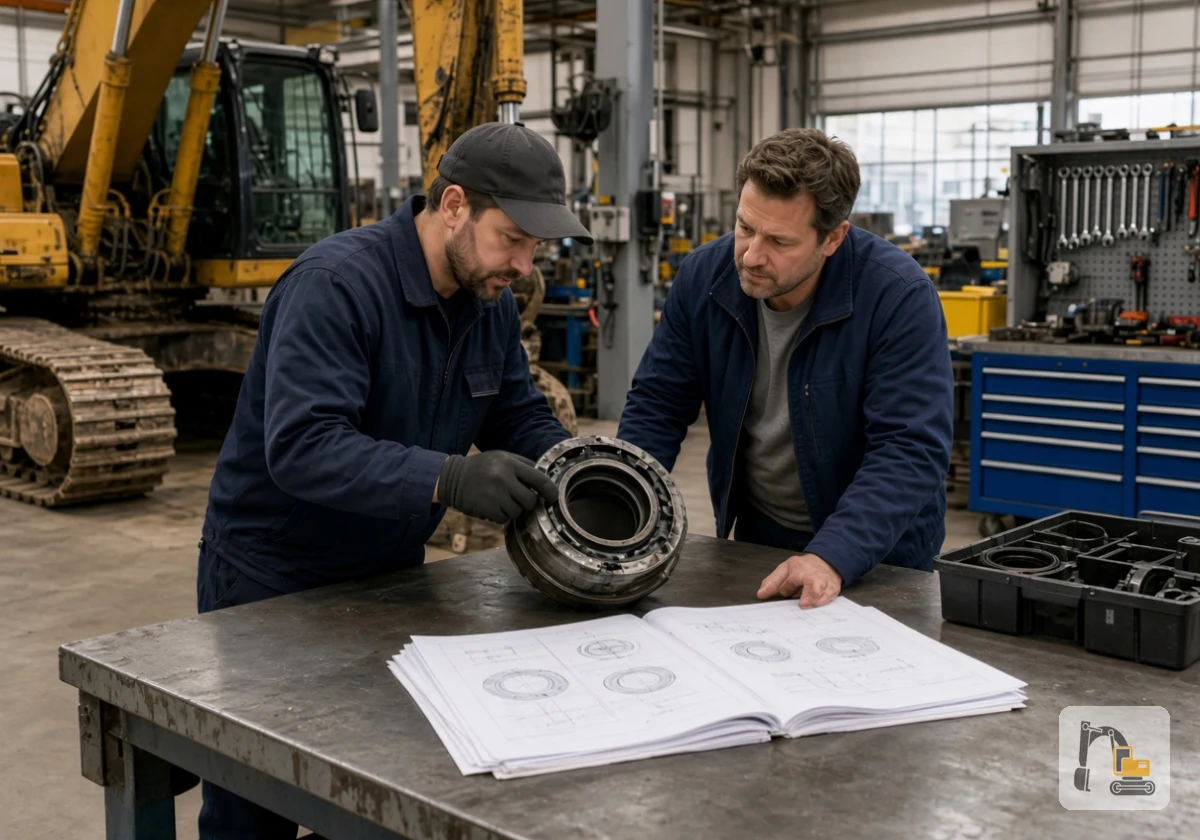
The same check applies when you order larger components, like an excavator final drive. You should keep the old part number, machine serial number, and a clear photo ready to help the supplier confirm the right part.
To save time on future orders, keep a parts list for each machine in your fleet. Include part numbers for common replacements, including fuel and air filters, so you can compare prices quickly.
Matching the Right Parts Source to Your Excavator and the Job
The right parts source can vary across your excavator. Each choice depends on the component’s role, replacement cost, and the downtime your job can handle.
For components that need a precise fit, OEM excavator parts often suit newer machines with active dealer support, especially hydraulic and engine parts. By contrast, aftermarket parts often suit wear items like bucket teeth and older machines.
If you need help choosing the right excavator parts, we can help you compare options by fit, price, and availability. Contact our team to discuss your repair needs and request a quote.