
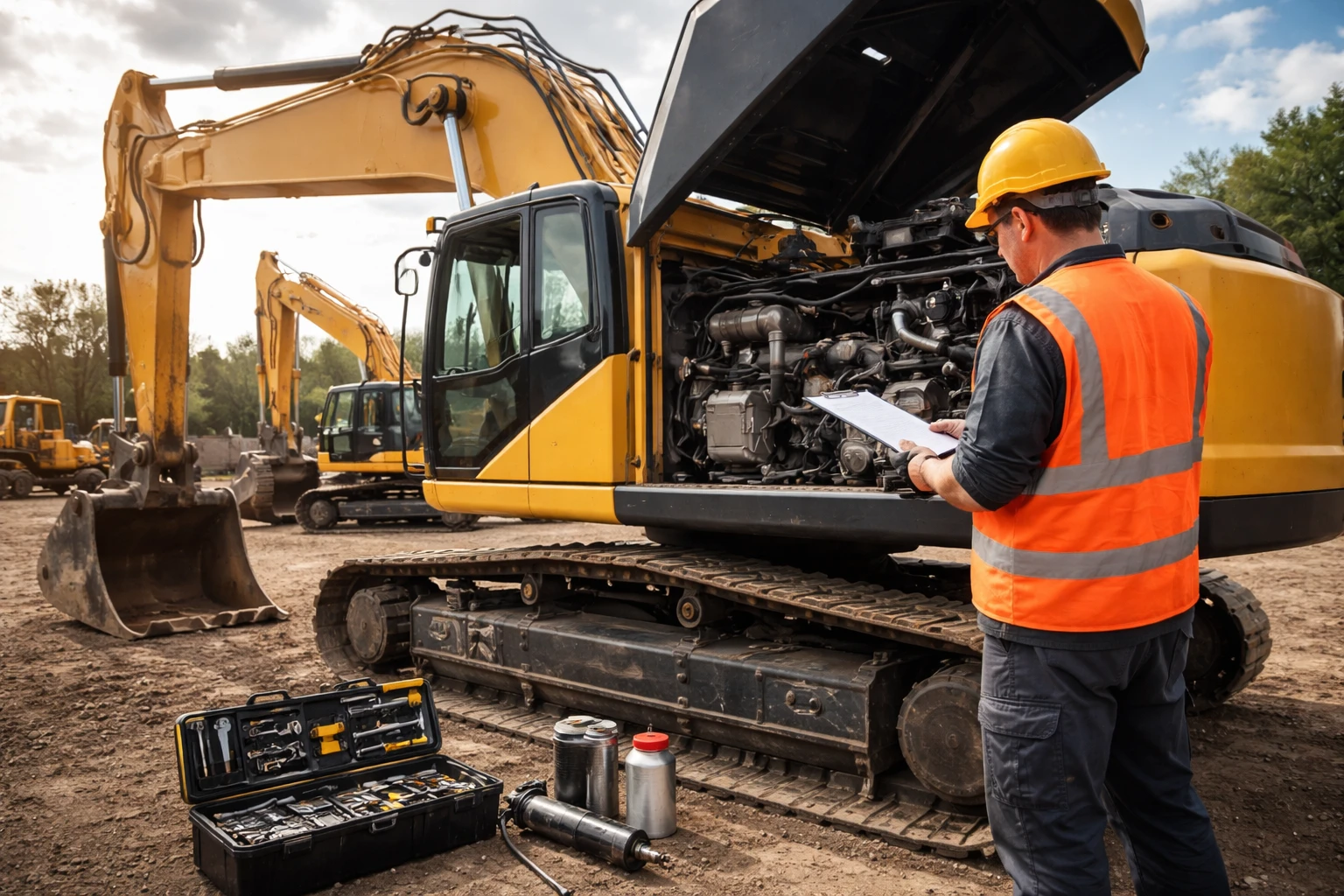
Construction equipment faces brutal conditions on a daily basis. For instance, dust clogs filters, vibration loosens connections, and heat breaks down hydraulic fluid. When problems go unnoticed for weeks, they can suddenly become expensive equipment failures.
According to a recent survey, unplanned downtime costs around $25,000 per hour, even jumping past half a million for larger fleets. Fortunately, a heavy equipment maintenance checklist can catch issues while they’re still cheap fixes. It guides operators through regular inspections and scheduled services.
This article covers daily construction equipment checks that prevent equipment downtime. We’ll also explain hour-based maintenance scheduling and show what should be included in an effective maintenance program.
Let’s find out what keeps your machinery working across New York job sites.
How a Heavy Equipment Maintenance Checklist Reduces Downtime
A maintenance checklist reduces downtime by catching small problems before they bring costly disasters that stop work for days. Most contractors miss this, but the difference between reacting to breakdowns and preventing them in time comes down to having a good maintenance system in place.
Take a look at where the real costs hide.
The Cost of Reactive Maintenance vs Preventive Maintenance
Reactive maintenance means fixing equipment after it breaks. We’ve often seen how this approach costs operators more than preventive maintenance because you’re paying for emergency repairs. After all, rush shipping on parts, overtime labor rates, and lost work hours add up.
When an excavator goes down unexpectedly, you’re also paying your crew just to stand around waiting. Preventive maintenance flips this by scheduling regular checks. You replace worn parts before they fail during operation. Which means you control when equipment goes down instead of breakdowns controlling you.
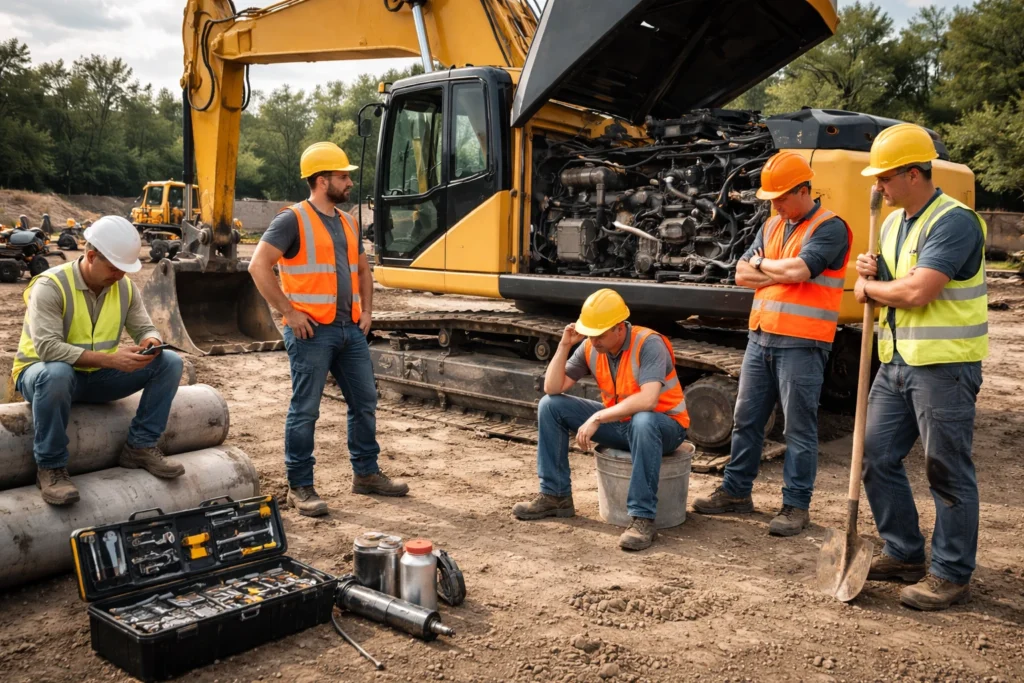
Common Equipment Failures You Can Catch Early
Low hydraulic system fluid causes slow bucket movement and overheating that damages expensive pumps. Plus, hydraulic hoses develop small cracks that leak fluid gradually. Equipment operators who check hoses during daily walkarounds spot these before a complete blowout occurs mid-job.
You can also catch loose track tension on excavators, which wears sprockets unevenly and can derail the entire track. These unexpected equipment failures leave you stranded if ignored, but they’re easy catches during a quick inspection.
Daily Pre-Operation Checks: Your First Line of Defense
Daily checks take less than 10 minutes but catch problems that would otherwise cost thousands in emergency repairs. From what we’ve seen across hundreds of job sites, operators who skip these steps are usually the ones calling for tow trucks.
Here’s your daily maintenance checklist:
- Before Starting the Engine: Start by circling the equipment, looking for fluid leaks, damaged parts, and safety hazards in the work area. Also, inspect the undercarriage for worn rollers, proper track tension on excavators, and verify tire pressure on wheeled construction equipment.
- Filters and Fluids: After that, check engine oil, hydraulic oil, coolant levels, and look under the machine for fresh wet spots on the ground. Low hydraulic oil levels mean slow response times and potential pump damage within hours of operation.
- Safety Systems and Cab: Machine operators need clear visibility and working safety features to operate heavy equipment safely on busy sites. So test brake lights, backup alarms, and all warning lights before moving the machine. Don’t forget to check mirrors, wipers, horn, seat belts, and make sure the glass isn’t cracked or blocked.
A simple maintenance checklist completed daily creates a record that helps predict when major service is actually needed. And these checks become second nature after the first week.
Should You Schedule by Hours or Calendar Days?
It’s best to follow operating hours rather than calendar days and change oil every 250 hours for optimal performance. The reason is that two excavators sitting in your yard might have the same calendar age, but one probably ran 500 hours while the other ran 50. So, they don’t need the same maintenance at the same time.
This is what you should consider before scheduling maintenance:
Hour-Based Maintenance for Construction Equipment
Construction equipment runs different hours each week, so a preventive maintenance schedule based on hours accounts for the real stress on your machines. For example, excavators do demolition work harder than standard digging tasks.
This is why most manufacturers build maintenance schedules around 250, 500, and even 1,000 operating hours instead of monthly intervals. This approach tracks equipment usage the way it works best on job sites, instead of the way a calendar pushes it to happen.
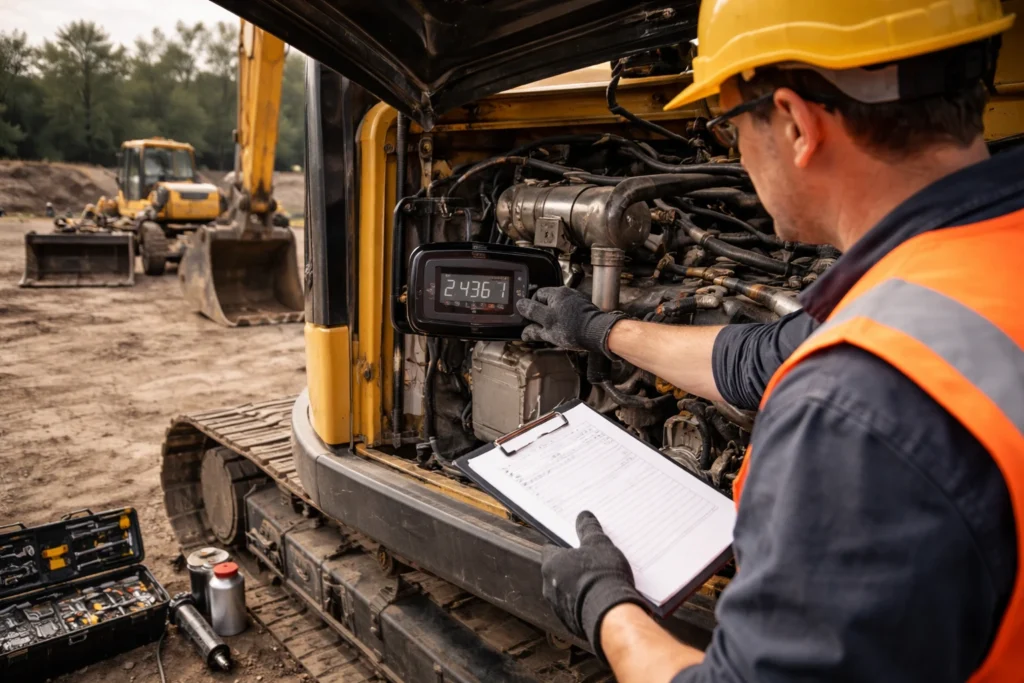
Tracking Equipment Usage for Planned Downtime
Fleet management software tracks operating hours automatically, so you know exactly when maintenance is due without guessing or checking hour meters manually. This gives you time to schedule planned downtime during slow project phases rather than getting hit with failures during your busiest season.
Below are some of the best software we’ve seen:
- Caterpillar Product Link: Caterpillar Product Link monitors operating hours, fuel consumption, idle time, and diagnostic codes from your Cat equipment. It also sends alerts when service intervals approach, so you can order parts ahead of time.
- Komatsu KOMTRAX: Built into Komatsu machines, this telematics system provides real-time data on operating hours, fuel levels, and maintenance schedules. Beyond maintenance tracking, the system tracks machine location and sends alerts for potential issues before they become failures.
- Trimble PULSE: Works across different equipment brands, which means you can run a mixed fleet with multiple manufacturers. One dashboard shows location, hours, and maintenance schedules for everything from excavators to loaders. You can also set custom service intervals and generate reports that show which machines cost more to operate.
Real-time tracking helps you order replacement parts before the machine hits its service interval. You can also track equipment performance across multiple machines to spot which ones cost more in operating costs and why.
What Goes Into a Preventive Maintenance Program?
A solid preventive maintenance program gives you control when equipment goes down. In our experience working with contractors, understanding which tasks are truly important makes a significant difference between programs that work and ones that fail.
Here’s what belongs in your program:
- Mandatory Safety Tasks: Your preventive maintenance program should flag these as non-negotiable items. In general, brakes, backup alarms, and steering components fall into this category because skipping them creates liability issues and puts operators at risk.
- Inspection-Based Checks: Routine maintenance involves checking components and creating work orders for problems found. Usually, belt tension, hydraulic leaks, and fluid contamination get caught during these walkarounds.
- Non-Mandatory Items: Maintenance requirements like greasing fittings or replacing air filters can be delayed briefly without immediate failure. While not urgent, ignoring them repeatedly increases long-term damage.
- Record Keeping: Document every completed task with date, operating hours, and technician name. This proves you followed manufacturer specifications for warranty claims and tracks patterns in planned tasks. Plus, good records help with resale value down the line.
Preventive maintenance programs only work if someone actually follows them. A good practice is making maintenance tasks simple enough that operators can perform them consistently, not just when someone remembers.
Seasonal Maintenance Considerations for Heavy Equipment
Heavy equipment faces different challenges depending on the season, and your maintenance tasks need to adjust accordingly. To give you an idea, New York winters hit construction equipment hard, while summer heat creates its own set of problems.
Take a look at what you need to consider.
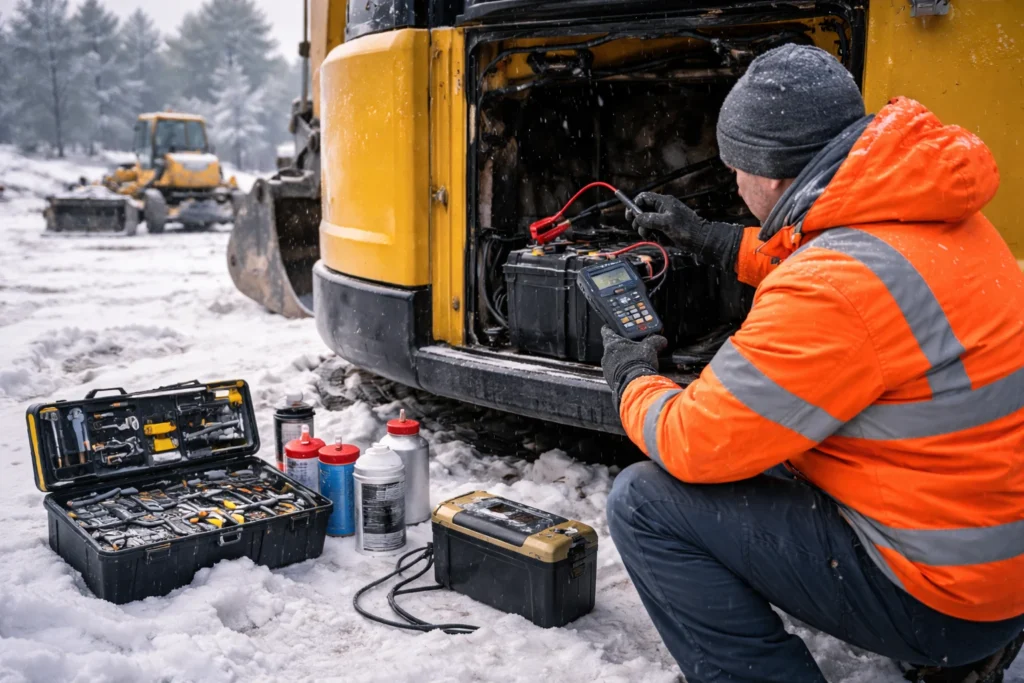
Winter Prep: Batteries, Fluids, and Cold Weather Protection
Winter prep usually starts in late fall. We recommend checking the battery condition because cold cranking amps drop significantly below 32 degrees. That can leave machines that started fine in September completely dead in January.
You should also switch to winter-grade hydraulic fluid and diesel fuel additives to prevent gelling. Block heaters aren’t optional for overnight storage in Brooklyn or Queens during January and February.
Remember to inspect rubber tracks for cracks, as well, since cold temperatures make them brittle and prone to splitting under load.
Summer Maintenance: Cooling Systems and Dust Control
Summer maintenance mostly focuses on cooling systems and dust control. Particularly, radiators and oil coolers clog faster during dry months when dust constantly floats on job sites. That’s why operators need to clean cooling fins weekly during summer instead of monthly.
Along with that, check coolant concentration because straight water boils over quickly when machines run hard in 90-degree heat. You also need to change the air filters more frequently during dusty conditions, sometimes every 50 hours instead of the standard 250-hour interval.
Keep Your Equipment Running Longer
A maintenance checklist might feel like extra paperwork, but daily pre-operation checks save you from losing entire workdays to emergency repairs and rush shipping costs. Ultimately, it’s best to stay consistent with hour-based scheduling, document every inspection properly, and fix small problems during planned downtime instead of waiting for catastrophic failures.
If you need quality undercarriage parts, rubber tracks, or excavator components, Bites Off Broadway has supplied contractors across New York for over 30 years. We stock the parts you need to keep your heavy equipment maintenance program running smoothly, from our facility right here in the city.
Better equipment maintenance means fewer breakdowns and more productive days on the job. So visit our website for equipment insights and expert support to keep your machines running at their best.