
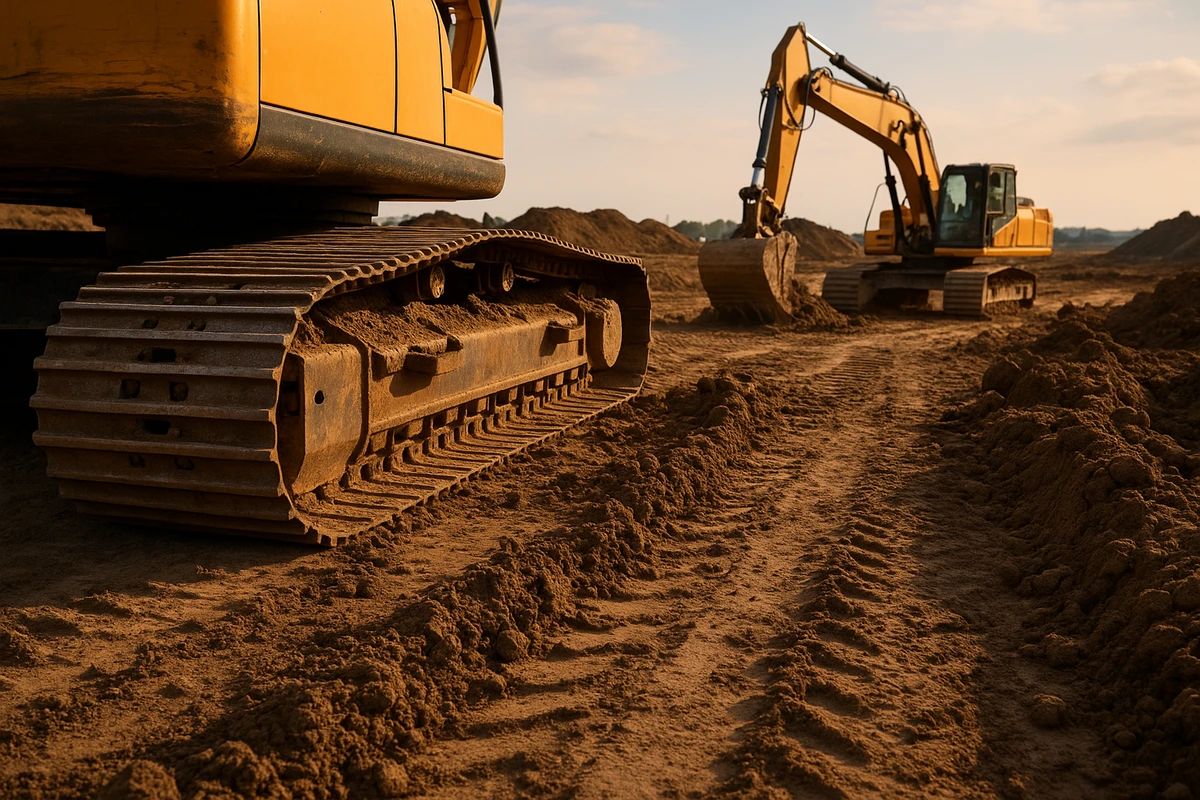
When life gets a little rocky, think about how excavator tracks have it even rockier! These poor things go through tough conditions every single day on construction sites. All that mud, debris, and rough terrain grinds away at the rubber like a cheese grater on a block of cheddar.
But still, some tracks look like they’re just built differently. While a few tracks last 800 hours, others can push past 2,000 hours. It usually comes down to how you treat them between jobs, instead of the brand name stamped on the side.
This guide walks you through the practical steps that stretch tracking life. We’re covering the maintenance that stops costly downtime, the damage you can dodge, and the inspection checks that spot problems early.
We’ll help you squeeze every possible hour from what you paid for.
What Damages Excavator Tracks?
Your excavator’s rubber tracks take a beating from every direction you can imagine. Terrain, weather, and daily use all tear down the quality faster than you’d expect. And most operators don’t notice the damage until performance drops or the track gives out completely.
But once you know what causes the uneven wear, you can stop the problems early and save thousands in repairs.
Uneven Terrain Grinds Tracks Down Faster
Job sites full of rocks, rubble, or broken concrete are tough on rubber tracks. And each time you roll over sharp edges, pressure builds up on one small section. Those edges chew the rubber away faster than smooth ground ever would.
In the end, a machine that runs 2,000 hours on dirt might last only half that on demolition debris.
Slopes Put Uneven Stress On Tracks
Working sideways on a hill pushes most of the machine’s weight onto the downhill track. That constant strain creates cracks and weak spots over time. So whenever possible, operate up and down the slope to keep the load balanced between both tracks, instead of across.
De-Tracking Wrecks The Undercarriage
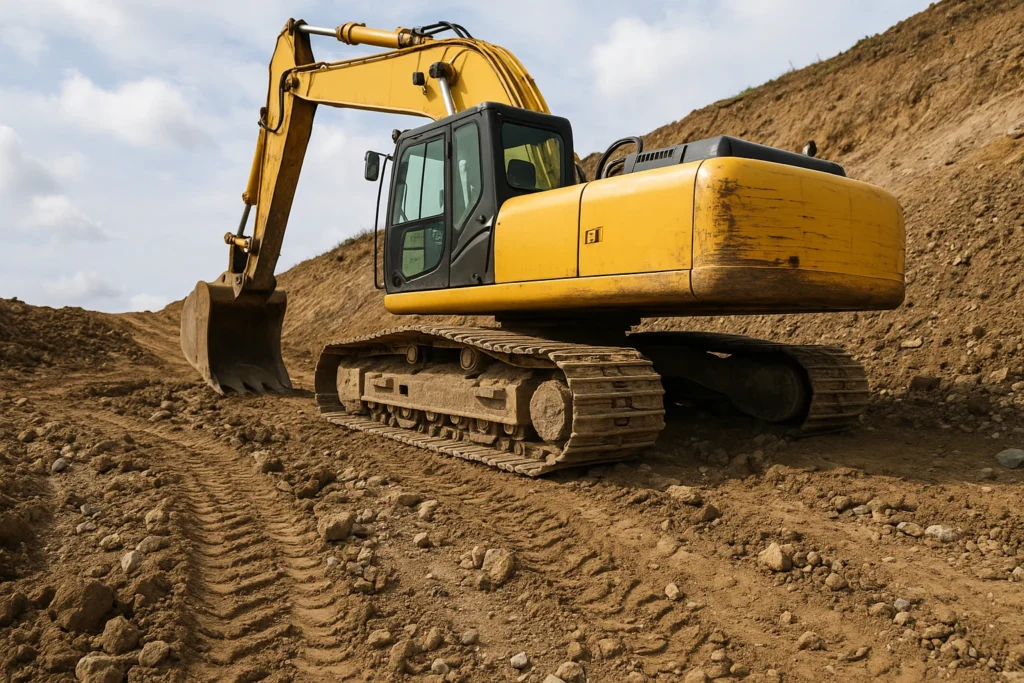
When a track slips off the rollers, it can bend or break expensive undercarriage parts. And your work stops completely without warning and it usually happens because of loose tension.
If your tracks sag, they’re at risk of sliding off during turns. Especially on side slopes or when debris builds up inside the guides. So the best way to prevent it before it happens is regular tension checks.
How To Check Your Excavator Track Condition
A quick track check can save you thousands in repairs. And the good news is you don’t need a mechanic or special tools for that. All you need is just ten minutes before starting work.
Plus, regular inspections catch these small issues early. It’s a great habit that lets you fix them on your own schedule instead of during a breakdown.
Look For Deep Cuts And Exposed Steel Cables
Start with a slow walk-around and check both tracks for deep cuts or cracks. If you see steel cables showing through, you’ll know that the rubber’s already compromised. Because those cables are what hold everything together. So once they’re exposed, it means moisture and rust are doing their nasty work faster than normal.
Shallow scratches are fine, but deep cuts mean it’s time for a replacement before something snaps in the middle of your work.
Measure Track Tension To Prevent Costly Downtime
Proper track tension sits in a narrow sweet spot. If it’s too loose, the track can slip off. And if it’s too tight, you’ll wear out the rollers, idlers, and sprockets in no time.
Lift one side of your excavator using the bucket and blade, then measure the sag between the middle roller and the track. Around 20 to 50 millimetres is ideal here, but check your machine’s manual for the exact number.
Inspect Rollers And Sprockets For Signs Of Wear
Your undercarriage takes just as much punishment as the tracks themselves. Try spinning each roller by hand and feel for rough spots or resistance. If it feels rough or sticks while spinning, something’s off.
Then, look closely at the sprocket teeth. If it’s sharp and clean, that means everything is good. But if it looks rounded or chipped, that means wear. And if you spot oil around a roller, that’s a leaking seal. This leak can quickly ruin your bearings and shorten your track life.
What Maintenance Extends Rubber Track Life?
Daily and Weekly maintenance can make your excavator’s rubber tracks last twice as long.
The difference between 800-hour tracks and 2,000-hour tracks usually comes down to routine care. These aren’t complicated tasks, but skipping them adds up to the decay. A few minutes after each shift can save you weeks of downtime later.
Clean Debris Daily With A Pressure Washer
Mud, rocks, and debris packed between track guides are basically like sandpaper on metal components! They grind away at rubber and accelerate uneven wear with every turn.
Cleaning your tracks might feel like routine work, but it’s one of the biggest factors in how long you can make them last.
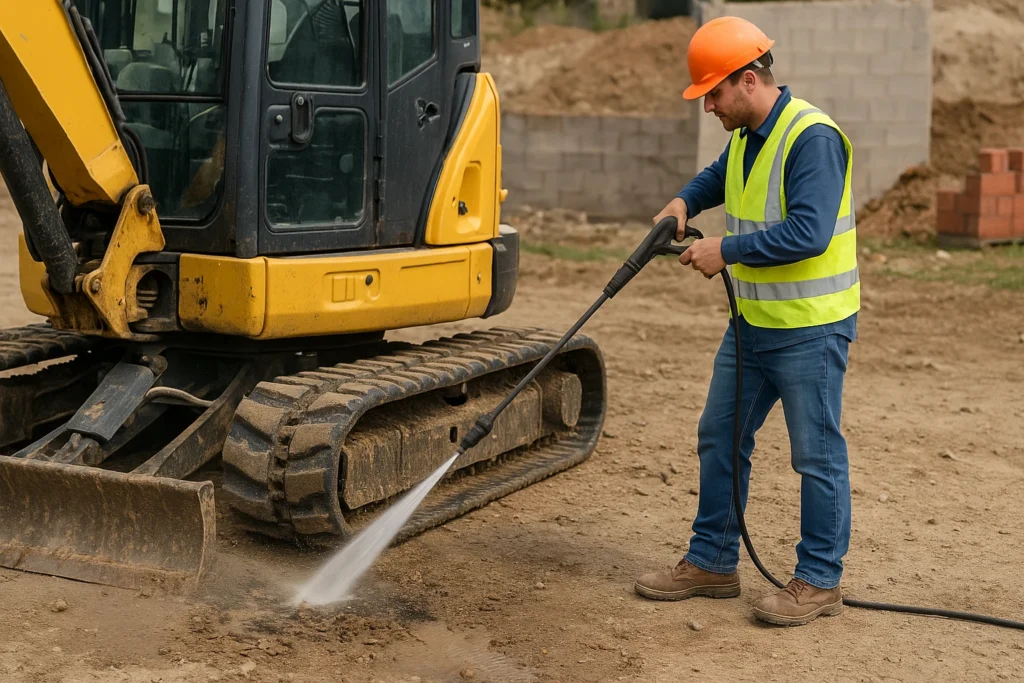
At the end of each shift, hose down the tracks with a pressure washer. Especially around the rollers and between the guides, where mud builds up. Don’t let the dirt harden overnight. That’ll be much tougher to remove and will cause even more wear the next day.
If you’re working in clay soil, clean extra thoroughly. Because it dries like concrete and does the most damage.
Adjust Track Tension For Smoother Operation
Next, you need to check the track tension. As rubber stretches over time, so does the tension of the tracks (and yours, too). Keeping it properly adjusted helps everything run smoothly and prevents unnecessary strain.
So, don’t forget to check the tension weekly or whenever the tracks look a little slack.
Avoid Sharp Objects And Harmful Contaminants
You can’t save a track from rough surfaces, but you can save it from sharp edges and harsh chemicals. These things speed up your track’s wear faster than a long drive on bald tyres. And oil, hydraulic fluid, concrete, and salt can all break down rubber if they sit for too long.
After working near any of these materials, give your tracks a quick wash before calling it a day. It only takes a few minutes, but it prevents chemical damage that can shorten the track’s life for good.
How Do You Store Excavator Tracks Properly?
How you store your equipment when it’s not in use makes a bigger difference than you might think. Even when idle, rubber tracks start to break down, but a few simple habits can keep them in good shape.
That’s why where and how you store your machine are very important. Let’s take a look at some of the culprits that eat away at your excavator.
Keep Construction Equipment Away From Direct Sunlight
UV rays are tough on rubber just as much as on your skin. When you leave your mini excavator baking in the sun, it gets sunburn. It’s true, the sun really causes the rubber to dry out, crack, and become brittle over time.
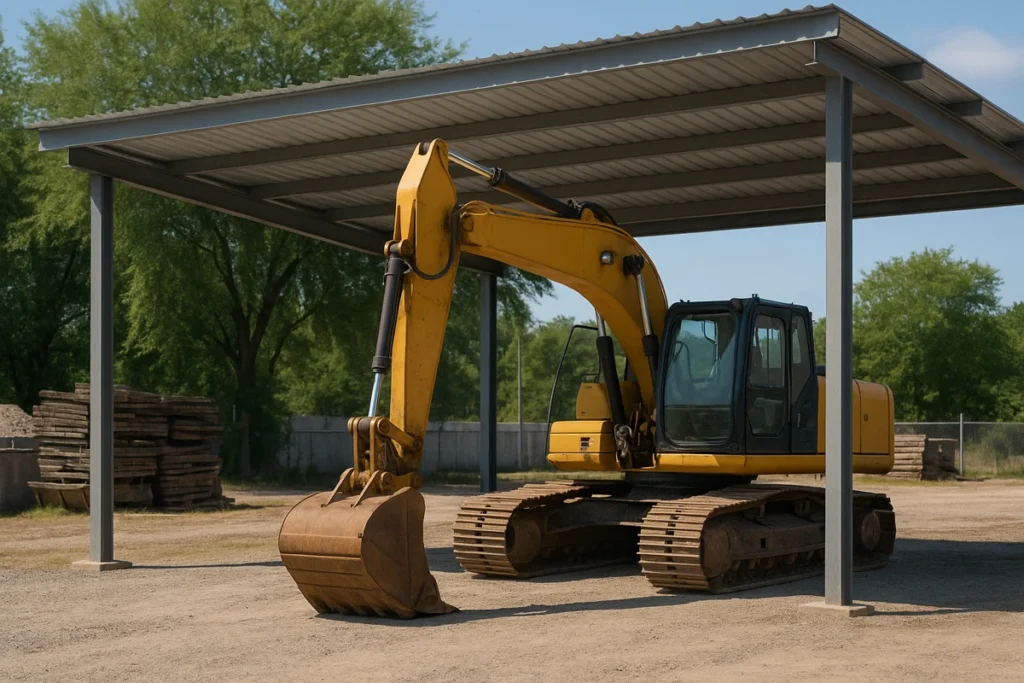
Even if the machine isn’t moving, remember the sun is still there. So whenever you can, park under cover. If a shed isn’t an option, a tarp over the tracks will help protect them during longer breaks.
This is the type of damage you might not notice right away. But after a few weeks of sun exposure, the rubber will lose flexibility (just like our skin) and start to crack once it’s back in use.
Run Mini Excavators Regularly During Extended Storage
Excavators are a lot like humans! When tracks sit still for too long, they develop flat spots and stiffen up like bones and muscles. That’s why a bit of exercise and stretching is necessary for them too.
Moving your machine every couple of weeks keeps the rubber flexible and stops those problems. Just start it up and roll it around for a few minutes.
Cold weather adds an extra risk. So, let the machine warm up before driving, since cold rubber is more likely to crack. Running it regularly also helps keep seals moist and prevents rust from building up inside the tracks.
Maximising Your Track Investment
Keeping your excavator rubber tracks running longer isn’t rocket science. It’s the simple, consistent habits that make all the difference.
Operators who push their tracks past 2,000 hours don’t have secret formulas or witchcraft. They just take a few minutes each day to clean off debris, check tension regularly, and avoid harsh conditions that wear tracks down faster.
Every extra hour you get from your tracks saves you money on replacements and keeps your machine working without unexpected downtime. So stick to the basic routine. Because that is what separates worn-out tracks from ones that keep going strong, season after season.
For more tips on maintaining your construction equipment and maximising your investment, check out our other guides. Because your tracks will last as long as you’re willing to care for them.