
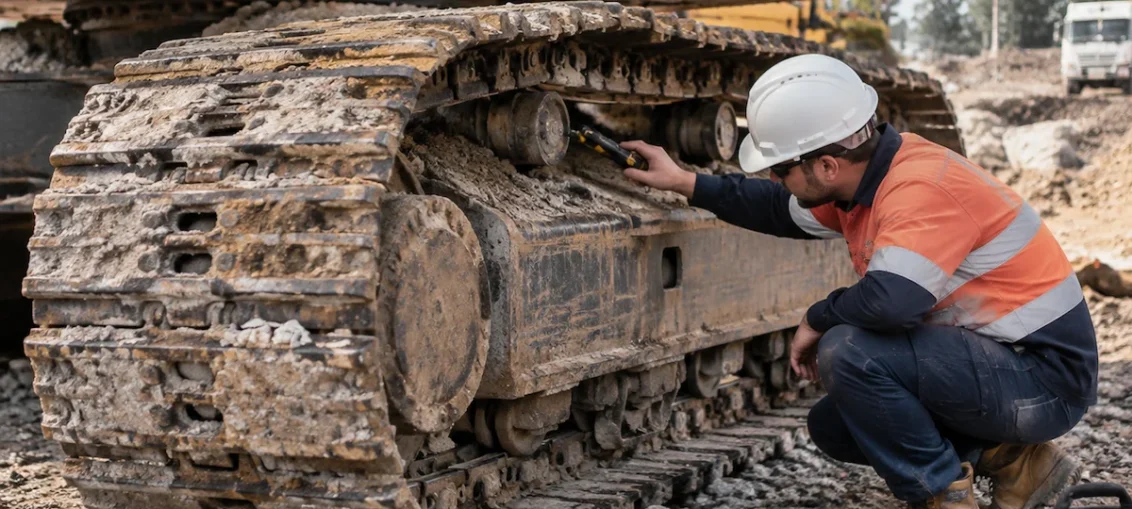
Excavator tracks usually wear gradually as the machine gets older. But uneven wear can also come from turning habits, ground conditions, incorrect track tension, or worn undercarriage parts. We'll break down the most common wear patterns, what they can indicate, and what can make them worse. By the end, you'll know what to look for before uneven wear leads to a bigger undercarriage repair. Signs of Uneven Excavator Track Wear Uneven track wear can show up as faster wear on one side, damaged rollers, or a machine that pulls to one side. Let's break them down in detail. Uneven Track Chain Wear Uneven track chain wear is easiest to spot when one side has stretched more than the other. If one chain has worn more
How Part Numbers, Machine Serial Numbers, and Measurements Prevent Wrong Excavator Part Orders

Knowing your excavator part numbers before you call a supplier is the fastest way to avoid a wrong order. Most buyers skip this step and rely on the model name instead. That habit is where most fitment mistakes start. A part number alone only tells half the story. Excavator part numbers and serial numbers work together rather than as substitutes. A part number identifies the component, while a serial number confirms which exact machine that component needs to match. This guide covers what determines fitment: part numbers, serial numbers, physical measurements, photos, and the right questions to ask a supplier. A Model Name Alone Doesn't Confirm the Right Excavator Part A model name only tells you the general excavator line rather than the exact
Replace One Undercarriage Part or the Whole Set? A Practical Decision Guide
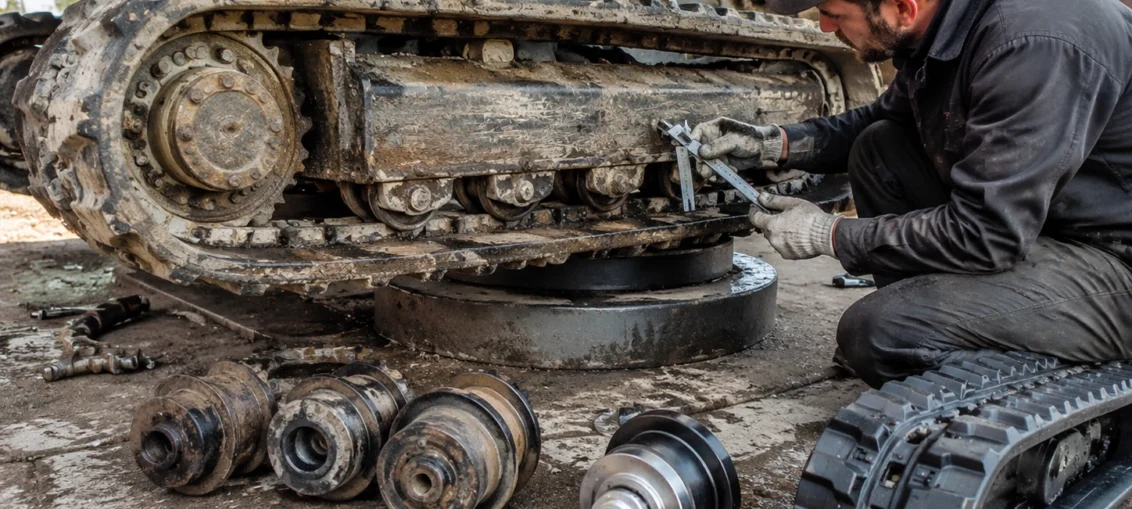
A single undercarriage part is only worth replacing when the surrounding components are still in good condition. That’s because the entire undercarriage takes heavy loads and wear whenever the excavator is operating. Every track roller, sprocket, idler, and related component wears over time. But spotting the damage is only half the job. The real challenge is deciding whether one worn part needs replacing or the rest of the undercarriage needs attention too. This article covers how excavator undercarriage parts work together. It also explains wear signs and how to choose the right replacement parts. By the end, you'll know exactly how to make this call with confidence. What Your Excavator Undercarriage Parts Are Doing Excavator undercarriage parts support the machine's full weight, drive
Rubber Tracks on Concrete, Mud or Rock: How Ground Conditions Change Wear
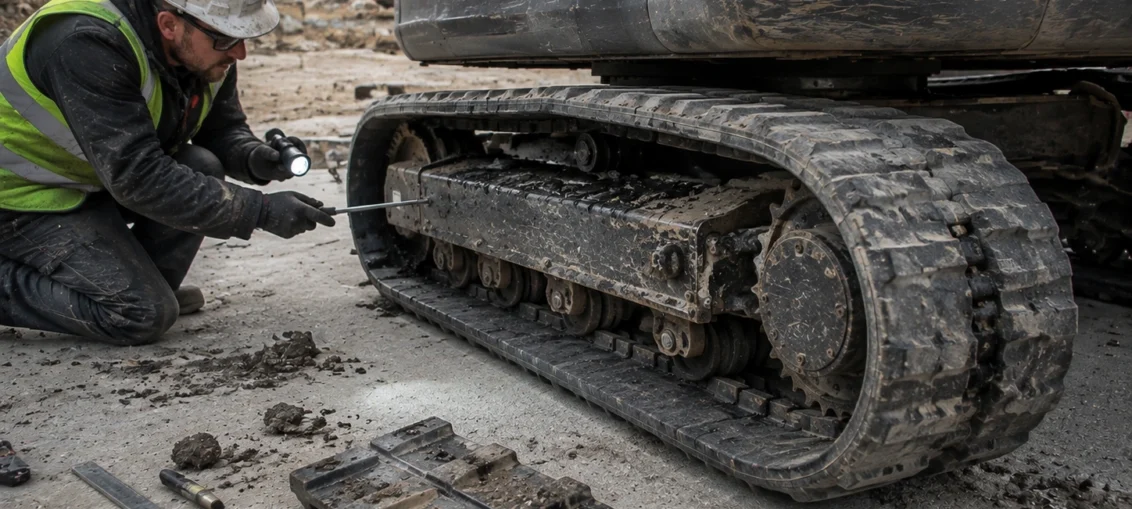
The ground under your machine decides how fast your rubber tracks wear out. Concrete, mud, and rock each affect rubber tracks differently, and repeated exposure can shorten their lifespan on demanding job sites. Many operators don't realise it until repairs or replacements become unavoidable. For contractors running mini excavators across New York, ground conditions change block by block. A morning pour in Port Morris feels nothing like an afternoon dig in a muddy lot in Sunset Park. Each surface puts different stress on your tracks, and that wear builds up over time. This article explains how ground types damage rubber tracks, early wear signs, and choosing and maintaining the right tracks for your terrain. Read on, and you'll have a clearer picture
How Weather Conditions Quietly Affect Heavy Equipment Wear
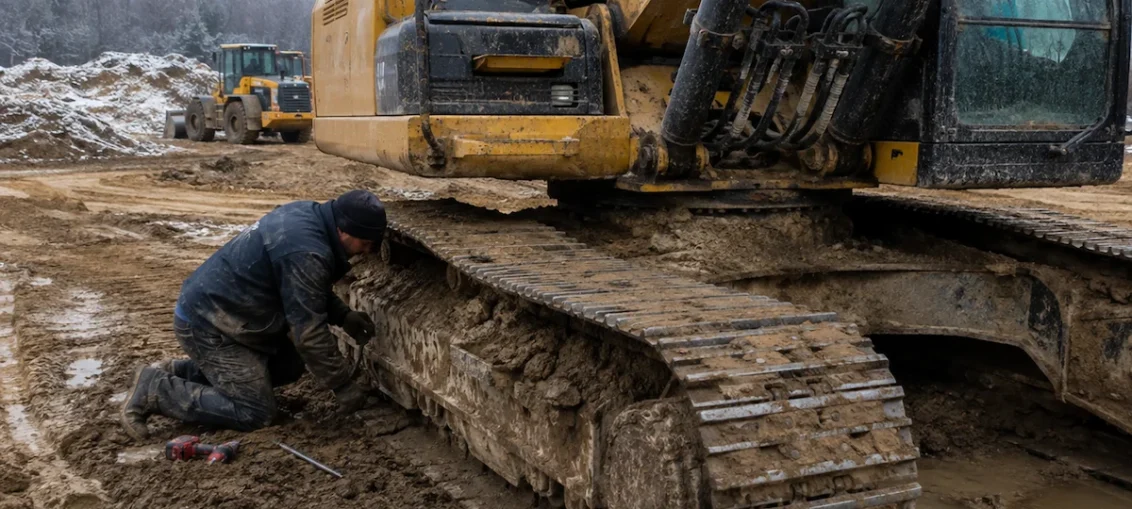
Weather conditions accelerate heavy equipment wear by increasing corrosion, straining hydraulic systems, and breaking down rubber components. Yet most crews only focus on operating hours and the loads their machines carry during inspections. In practice, rain packs mud into joints while summer heat thins fluids and clogs filters. And cold mornings stiffen rubber tracks before the first bucket drops. Each season hits different components, so your inspection priorities should change with the weather. In this article, you'll learn: How each weather condition affects your heavy equipment Which components take the hardest hit What maintenance checks to run before it costs you thousands Let's get started. Rain, Mud, and Rust: How Wet Conditions Break Down Construction Equipment Wet conditions are one of the quickest ways to shorten the life
How Contractors Can Reduce Repair Costs Without Sacrificing Reliability
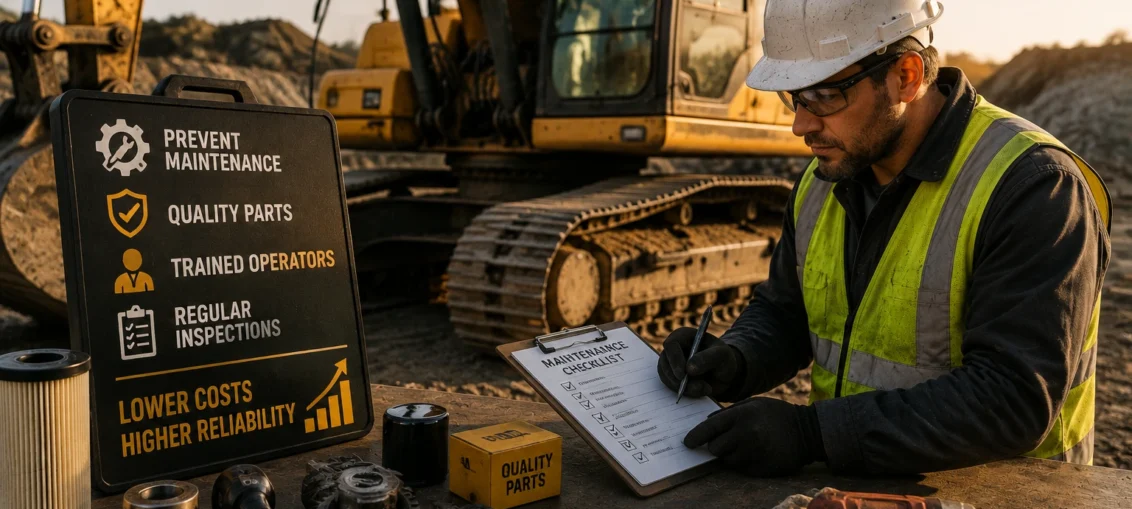
Contractors reduce repair costs by choosing quality heavy equipment parts up front. Pairing this with a maintenance routine that catches wear early keeps small issues from turning into full breakdowns. Neither one requires new software or a bigger crew. It just means making better decisions earlier, before a machine goes down mid-dig with a bill that costs more than the job it interrupted. That's the piece most advice on this topic skips. Most guides assume a fleet manager with a dedicated shop and a maintenance budget to match. And a contractor running one or two machines needs something simpler. In this guide, we'll walk through why equipment failure hits small fleets harder and how to build a maintenance routine around a tight
Building a Preventive Maintenance Checklist for Your Construction Fleet
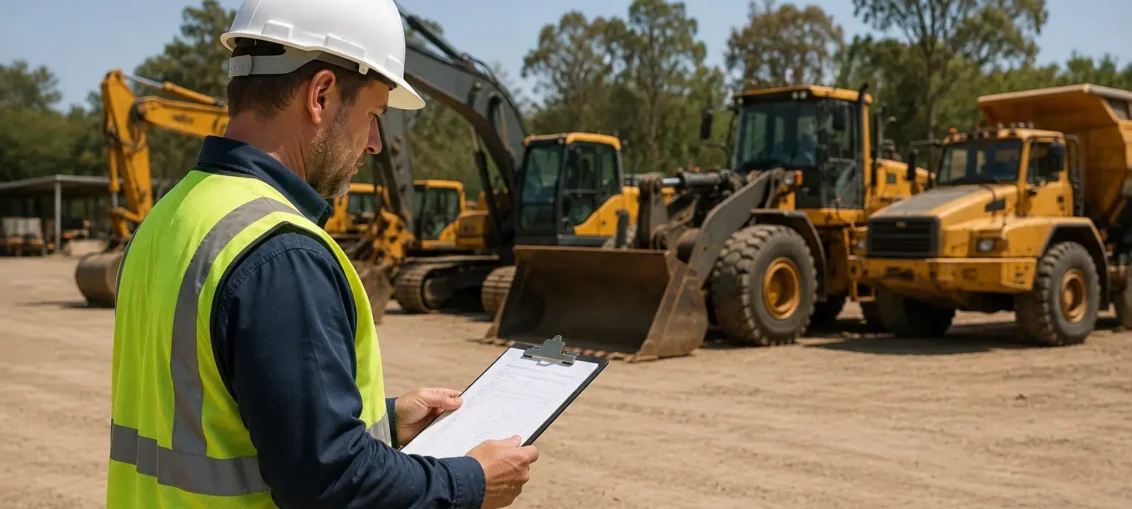
Reactive repair is the priciest way to run a fleet. You pay three times over: the part, the labor, and the day you lose. And because a preventive maintenance checklist puts that work on a date you pick, you replace a $30 filter instead of a $3,000 pump. We're Bites Off Broadway, and we've supplied undercarriage parts to contractors from Port Morris to Jamaica for three decades. Over that stretch, we've learned how early the warning signs turn up. So, this guide hands you a maintenance checklist you can adapt to any excavator, dozer, or pickup you run, then hand to whoever starts it each morning. From there we'll work through the three tiers of a working list and a daily walkaround built
Downtime Costs More Than Parts: Planning Smarter Equipment Maintenance
Ever added up what an idle excavator costs by lunchtime? Equipment downtime is one of the priciest problems on any job site, and the repair bill is usually its smallest line. Lost production, idle crews, and blown deadlines swallow far more cash than parts. We've seen enough projects stall to know the pattern. So in this guide, we'll cover the real cost of downtime, the case for prevention, and the schedule that keeps heavy machinery earning. Ready? Let's jump in. What Counts as Equipment Downtime? Equipment downtime is any stretch when a machine can't do the work it was built for. It splits into two buckets. Planned downtime is the service window you choose: oil changes, inspections, filter swaps. Unplanned downtime chooses you,
How Regular Sweeping Reduces Dust and Debris on Worksites
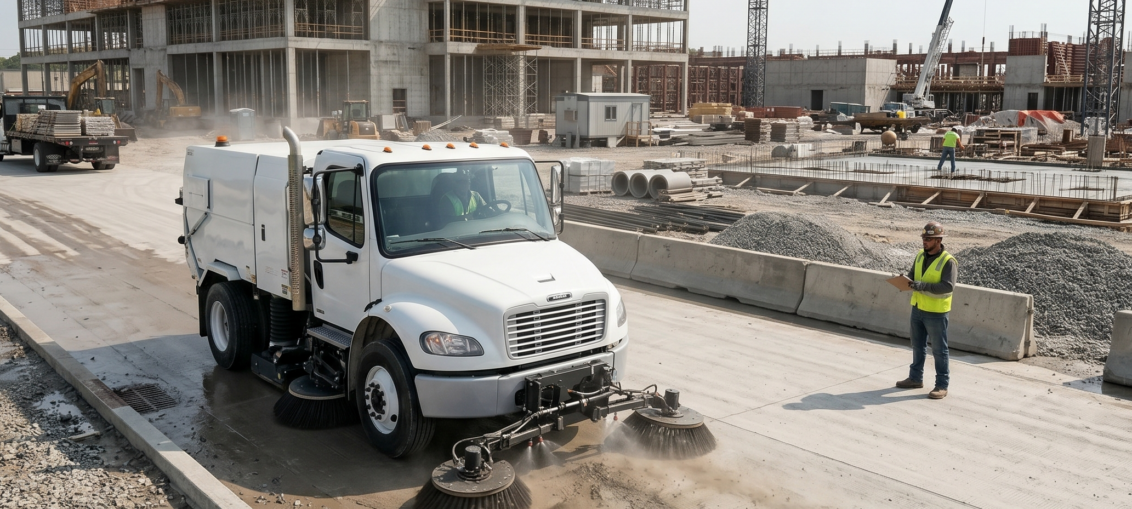
Dust builds up fast on a construction site because cutting, grinding, and vehicle movement never really stop. One day, it's a light layer on the floors, and the next, it's a visibility issue, a slip hazard, and a compliance headache all at once. That's where dust control sweeping plays its part in keeping things under control. Professionals like Bites Off Broadway know this better than anyone. Here's everything you need to know about why dust builds up, what risks it creates, and how regular sweeping keeps your site running without a hitch. What Dust Control Sweeping Actually Does on a Construction Site Dust control sweeping removes loose particles from worksites before they become airborne, spread across surfaces, or create safety and compliance problems.
Why Construction Sites Need Scheduled Sweeping Services

Construction sites are messy by nature, and that mess doesn't manage itself. Dust, rubble, and debris build up quickly. Without a routine cleaning plan, those conditions start affecting safety, compliance, and productivity all at once. And there's no way around it. So this article covers what services your site actually needs, when a standard sweep isn't enough, and how consistent scheduling keeps a worksite running properly. Bites Off Broadway has explained things from real experience, so it might be helpful for your construction site as well. Let’s start from the basics. What Does a Construction Site Need From a Sweeping Service? Construction sites need regular debris removal, road sweeping, and industrial sweeping to stay safe and compliant. But cleaning demands vary depending on the